 Tue. 5th May. 2026, 5:20 pm

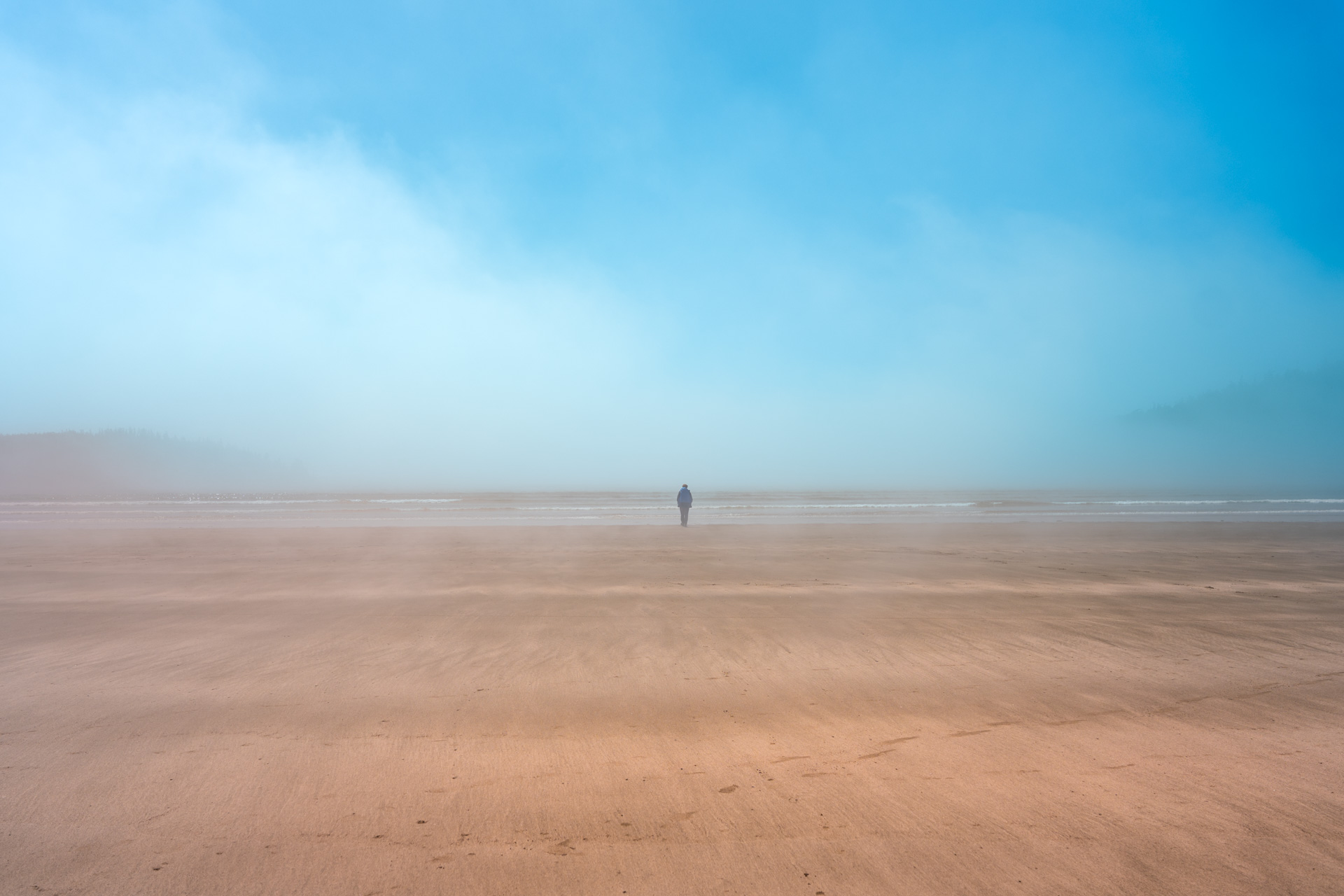
This is the end of the road. No one comes here by accident: the road is long and dusty, washed out in places by rain, broken in others by logging trucks. Each kilometer of the road cuts off random people and strips away everything unnecessary — all the emptiness of everyday life and even traditional holidays — all worries — leaving only what matters: peace and love, the synthesis of which resonates in the local air, vibrates on the edge of the ocean, envelops in a ring of fir trees, spreads along a wide and long sandy beach, winking at the lighthouse at the exit from the bay.
At Pachena Bay beach, the fog greets arrivals, sliding down like a blanket from the water’s surface, brushing against the hedgerow of firs, scattering light into unseen spectra. Temporary visitors try on local smiles that stick permanently to their faces, and the "sparkle-in-the-eye" virus spreads, infecting them instantly. In a heartbeat, you can no longer tell the newly infected from the chronically happy locals.
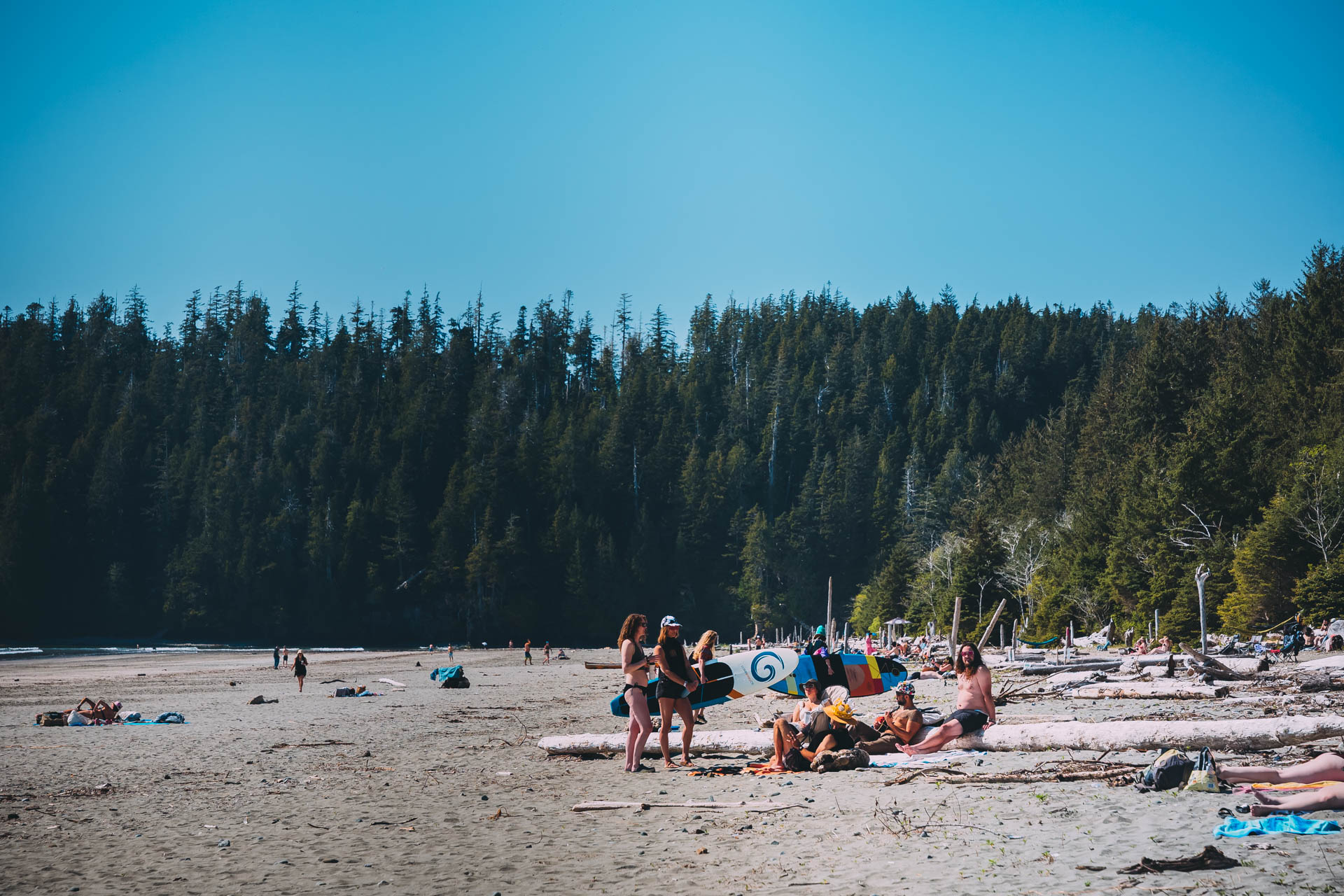

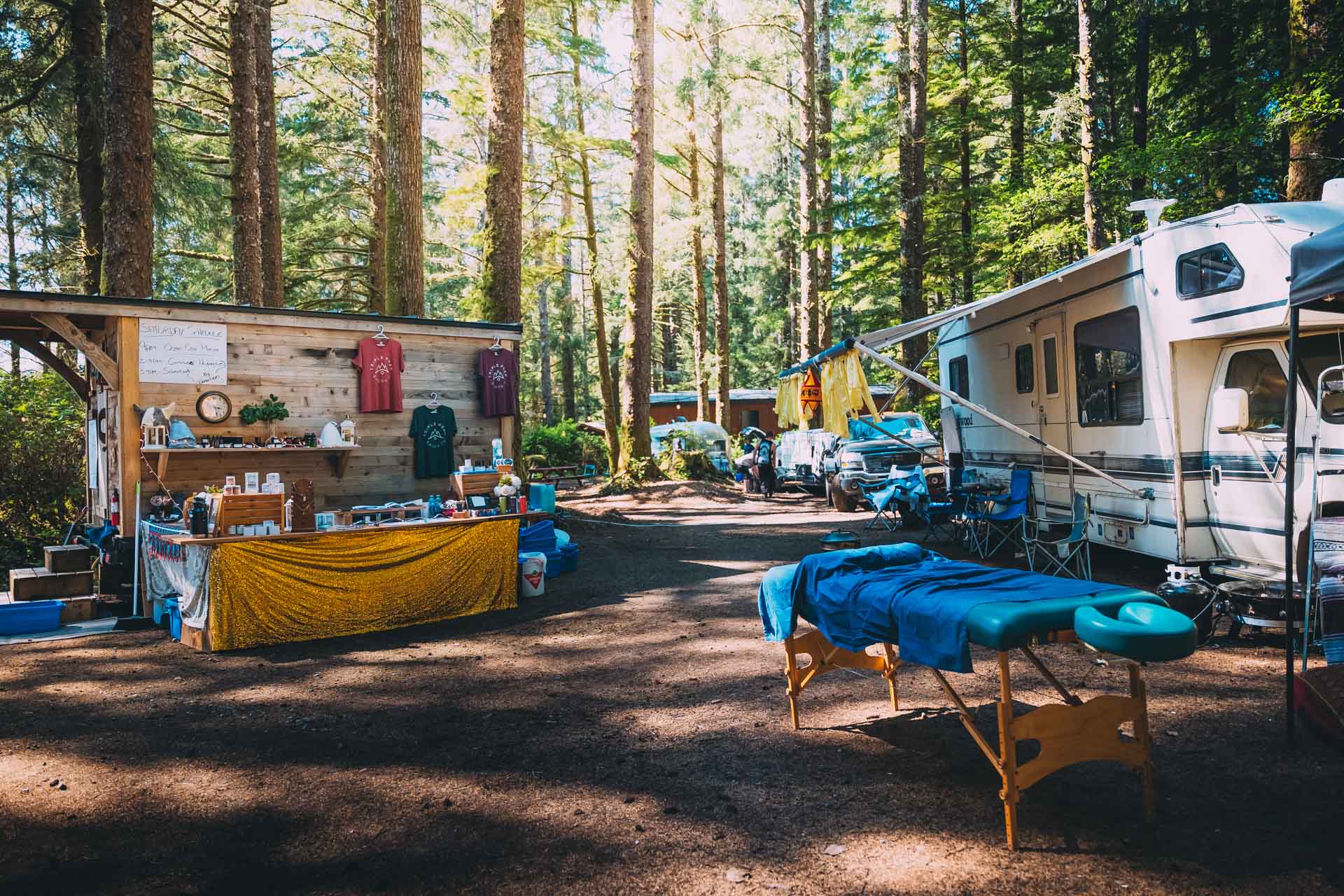
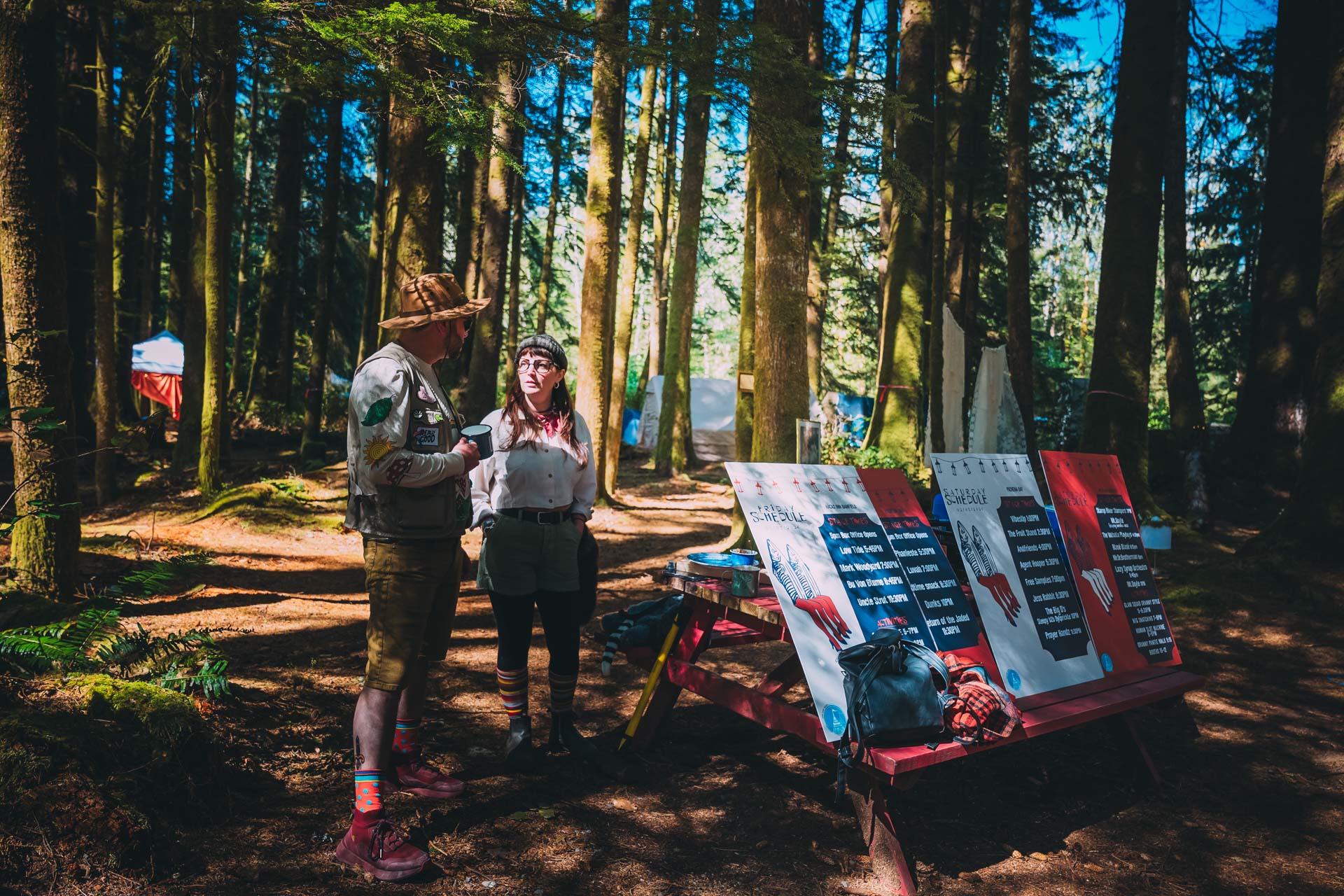
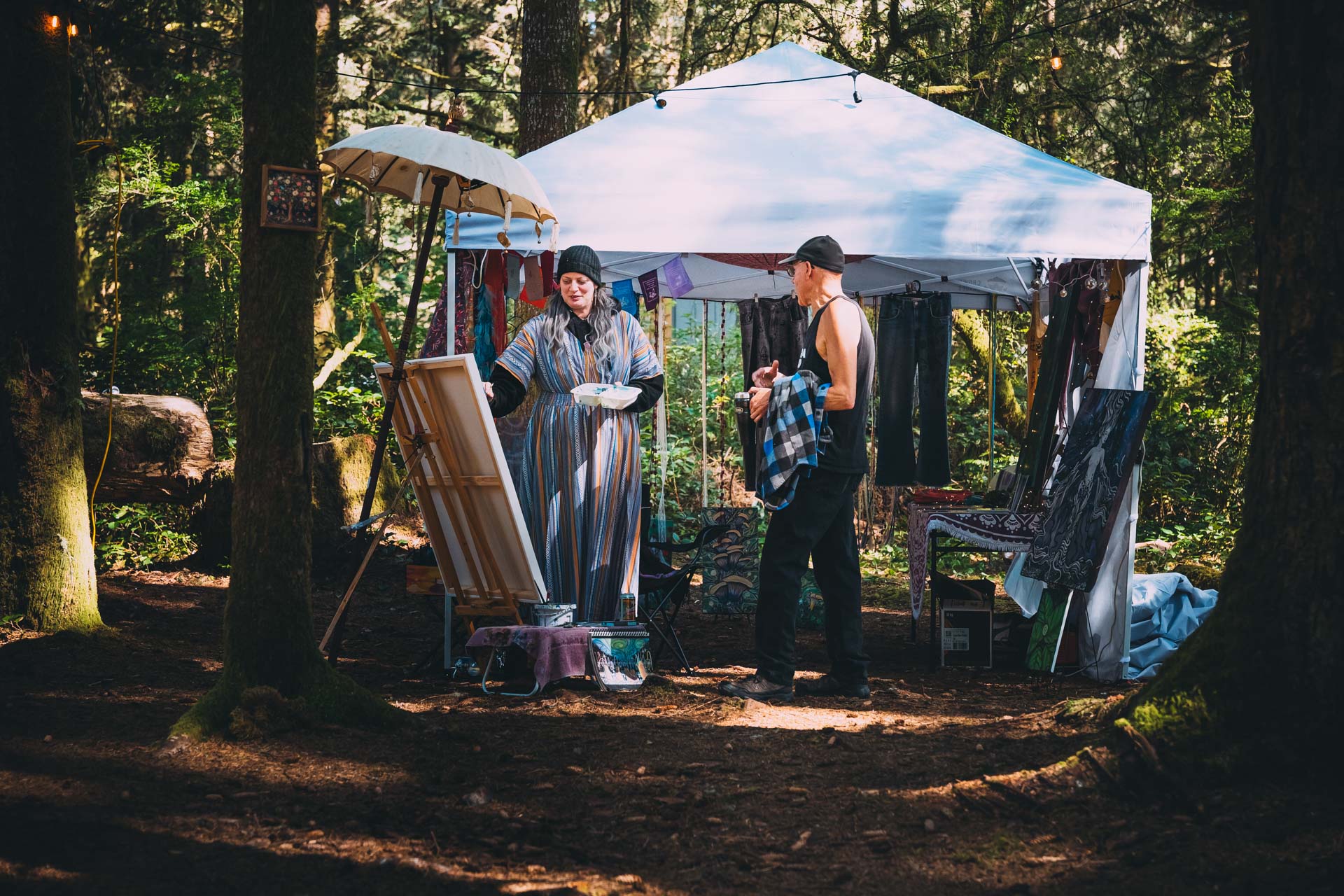
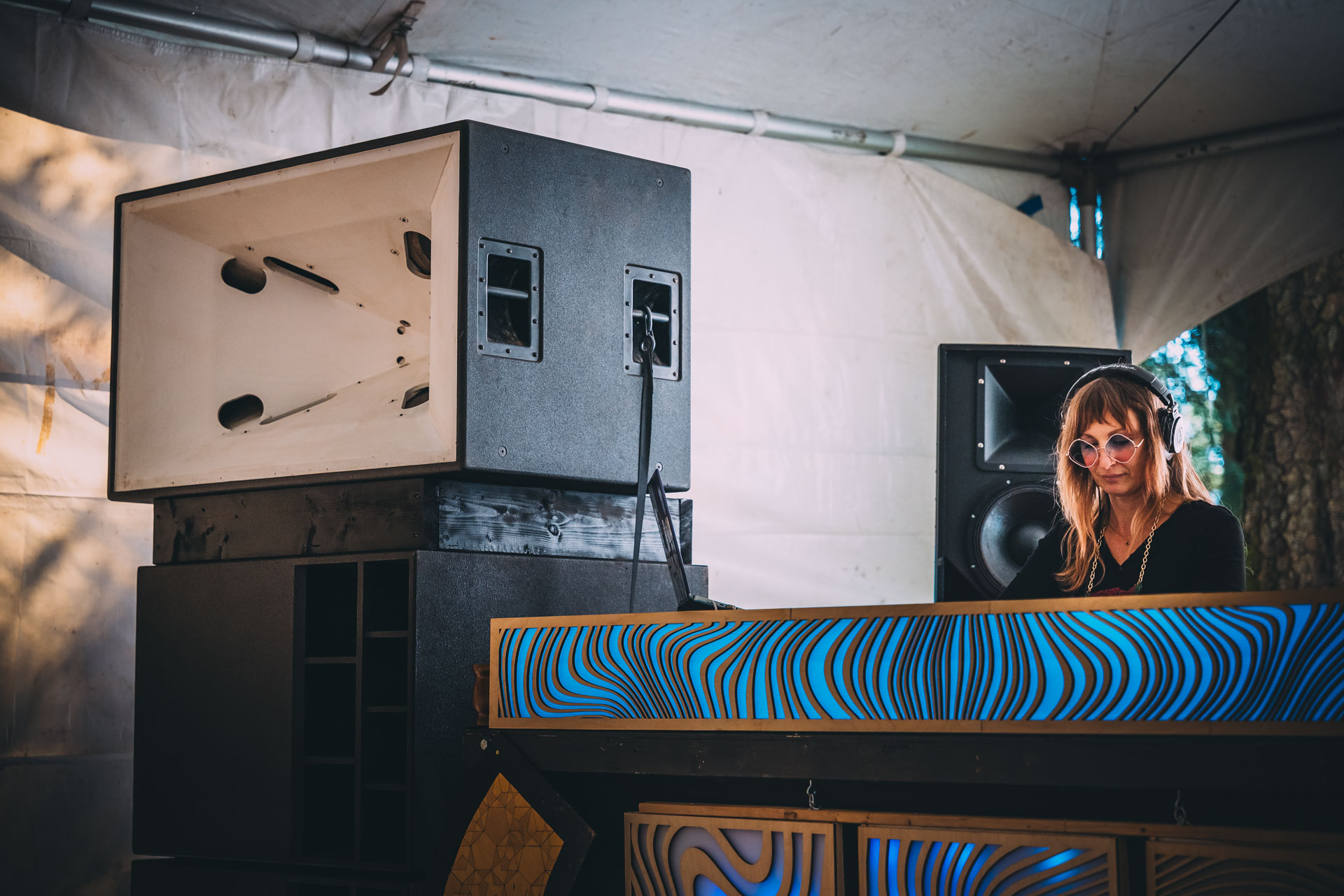
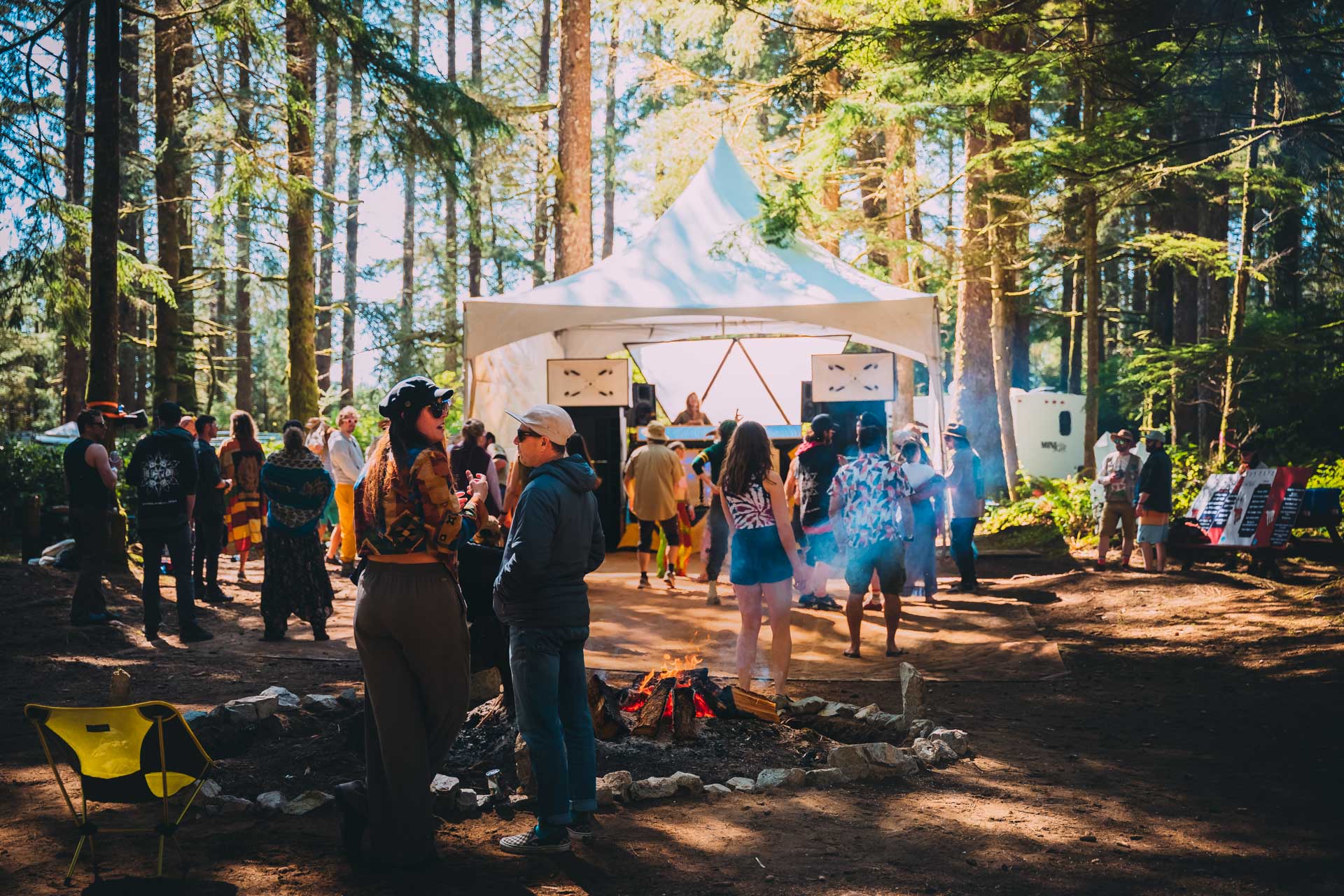
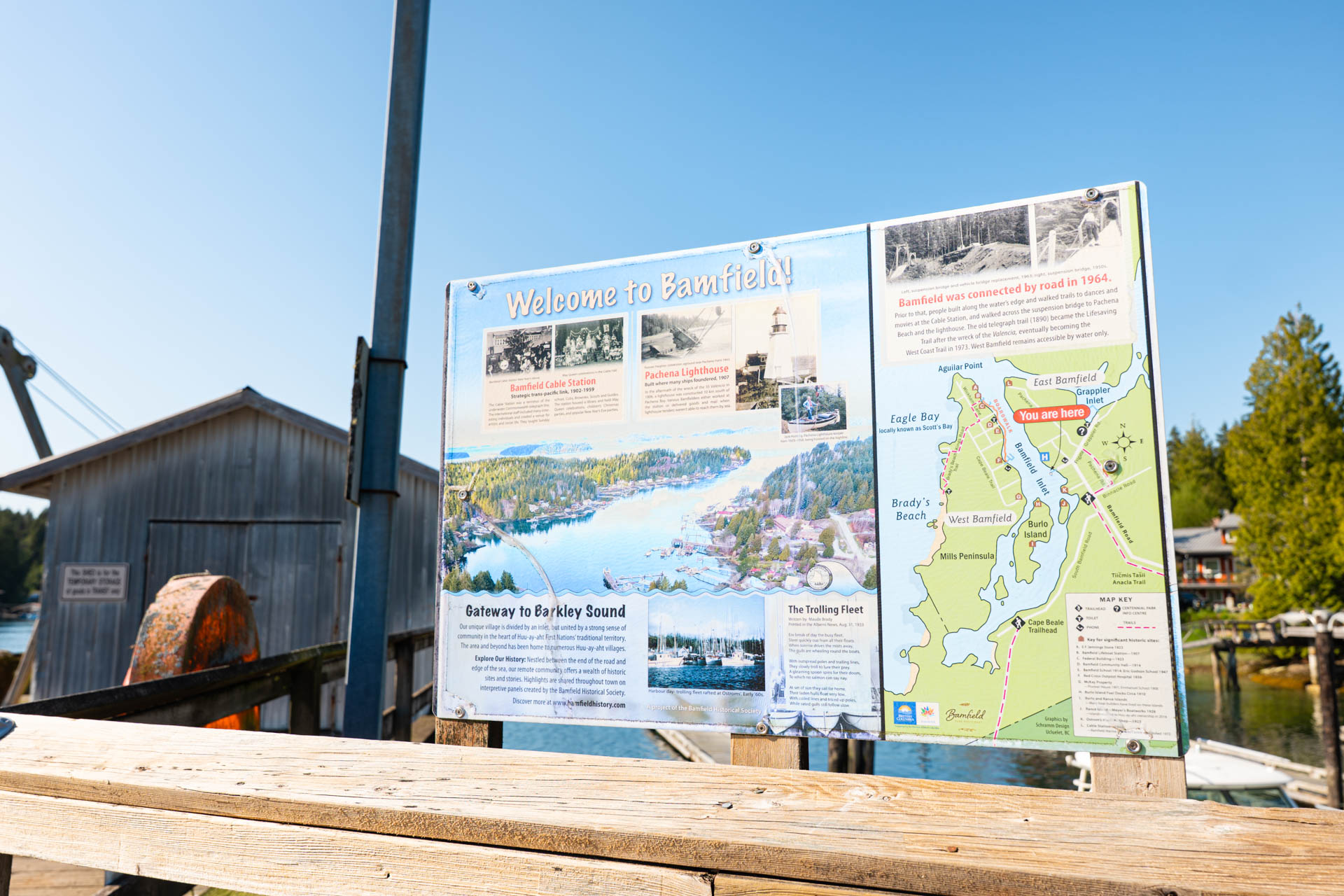
A stylish bus from a local carrier shuttles guests and festival participants back and forth between Pachena Bay Campground and the settlement of Bamfield, where the main stage is nestled in the backyard of the Hacas Inn.
This tiny settlement, with a population of fewer than two hundred people, boasts not only a connection to the 3,000-year history of the Huu-ay-aht First Nations but also gems of modern history and natural wonders.
On the outskirts of Bamfield, perched on a 51-meter cliff, stands the Cape Beale Lighthouse. Built in 1874 and reconstructed in 1958, it illuminates the entrance to Barkley Sound — the gateway to Port Alberni.
Nearby, between the fairy-tale shores of Tapaltos Beach and Second Beach Cove, lie the remains of the ancient defensive fortress of Kiixʔin Village.
A bit further, on the leeward side of the peninsula that separates Bamfield from the inlet, lies the remarkable Brady's Beach Cove.
It’s worth noting that Pachena Bay — where our story revolves — serves as the terminus for the 77-kilometer (47-mile) West Coast Trail.
Bamfield was also the western terminus of the "All Red Line", the global underwater telegraph cable that linked the territories of the British Empire in 1902.
And in 1907, it was right here that the first life-saving station on Canada’s Pacific Coast was established.
Ultimately, Bamfield was chosen by five Western Canadian universities as the site for the Marine Sciences Centre.
This research hub, along with fishing and tourism, forms the three pillars of modern-day Bamfield.
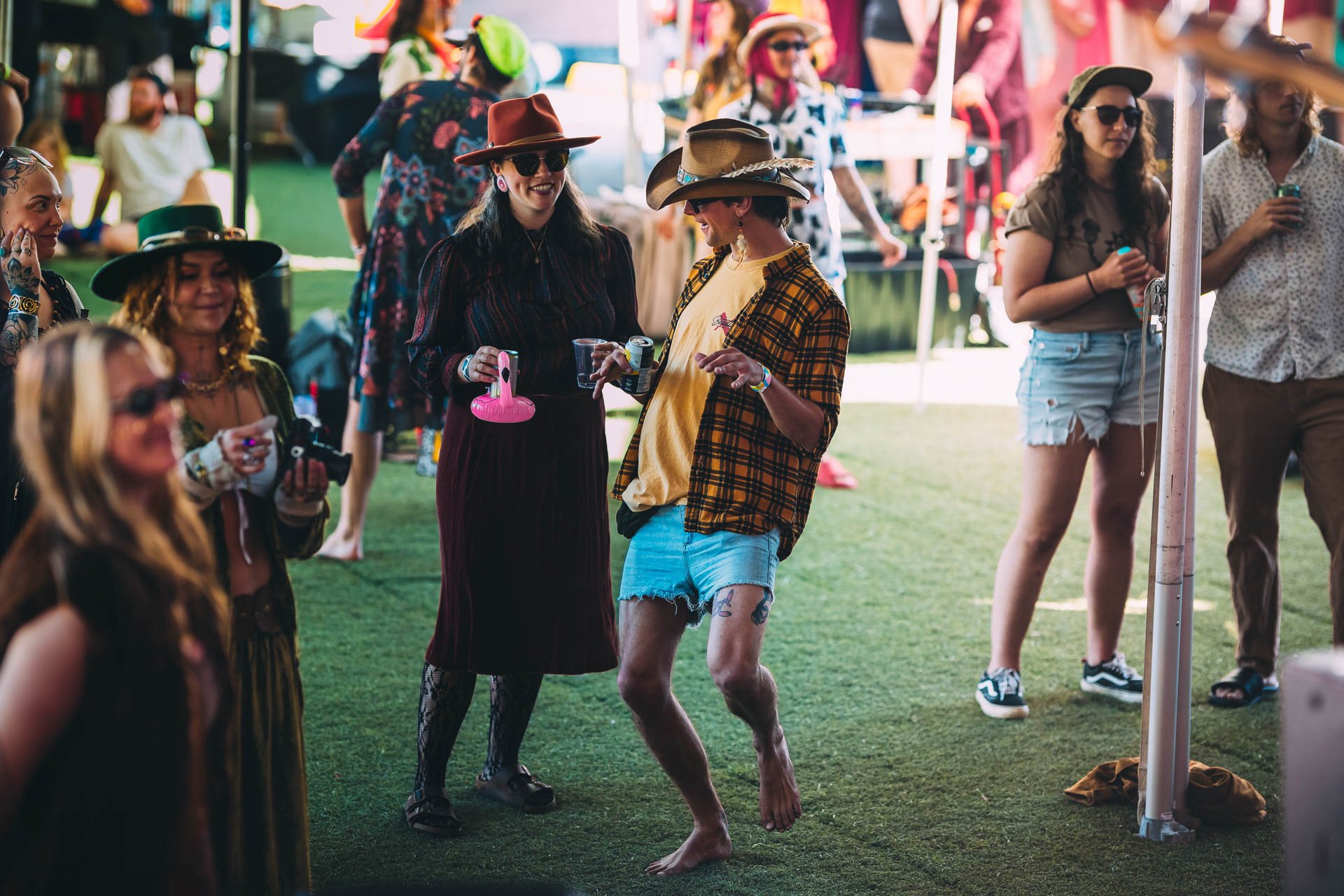
Sound technicians are doing the final checks on the main stage. The festival crowd, mellowed by the midday sun, flows between locations. Ben’s sharp eye catches everything that needs attention — his job as the festival organizer is to ensure everything runs smoothly and that everyone gets their dose of happiness, plus a little extra on top...
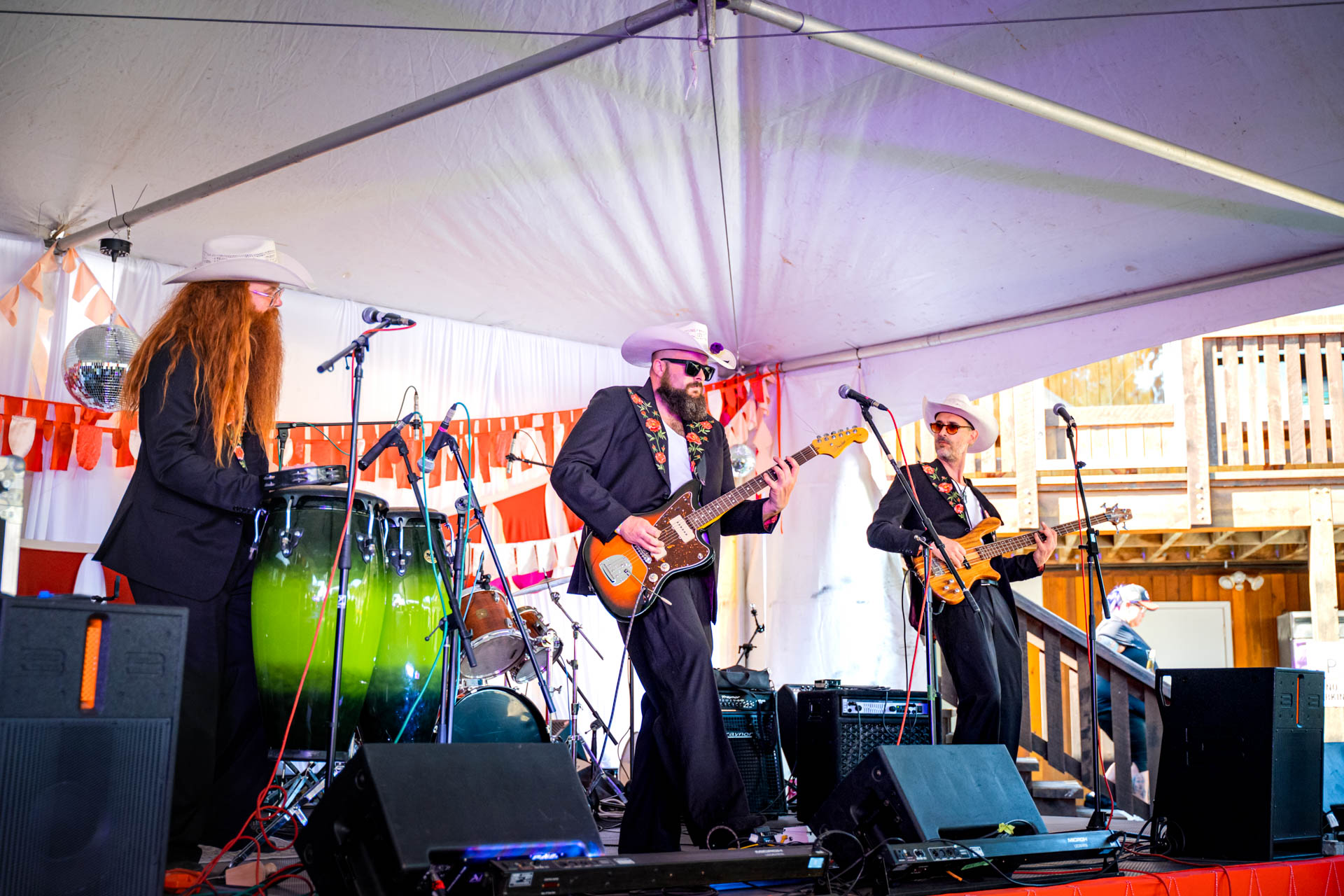
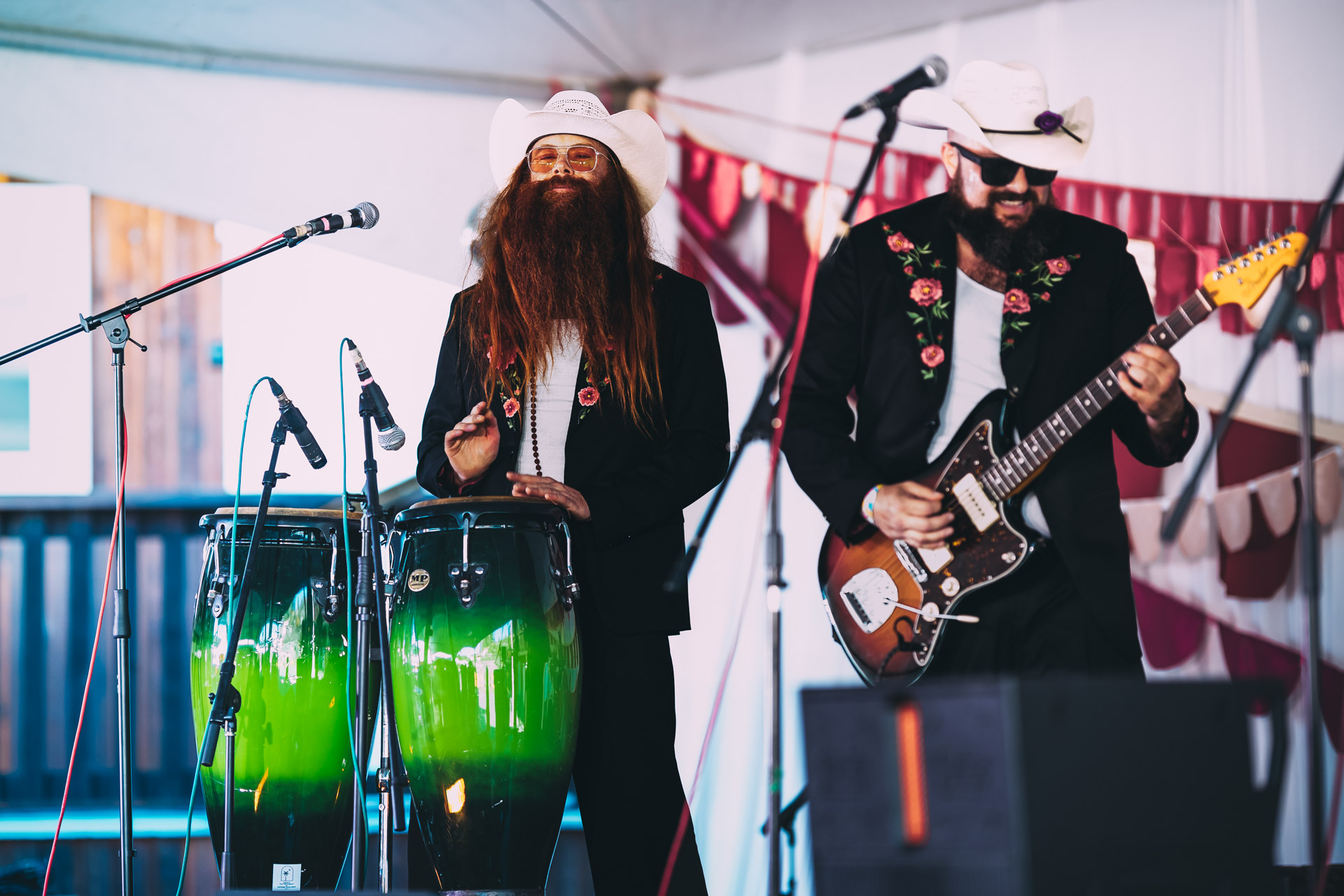
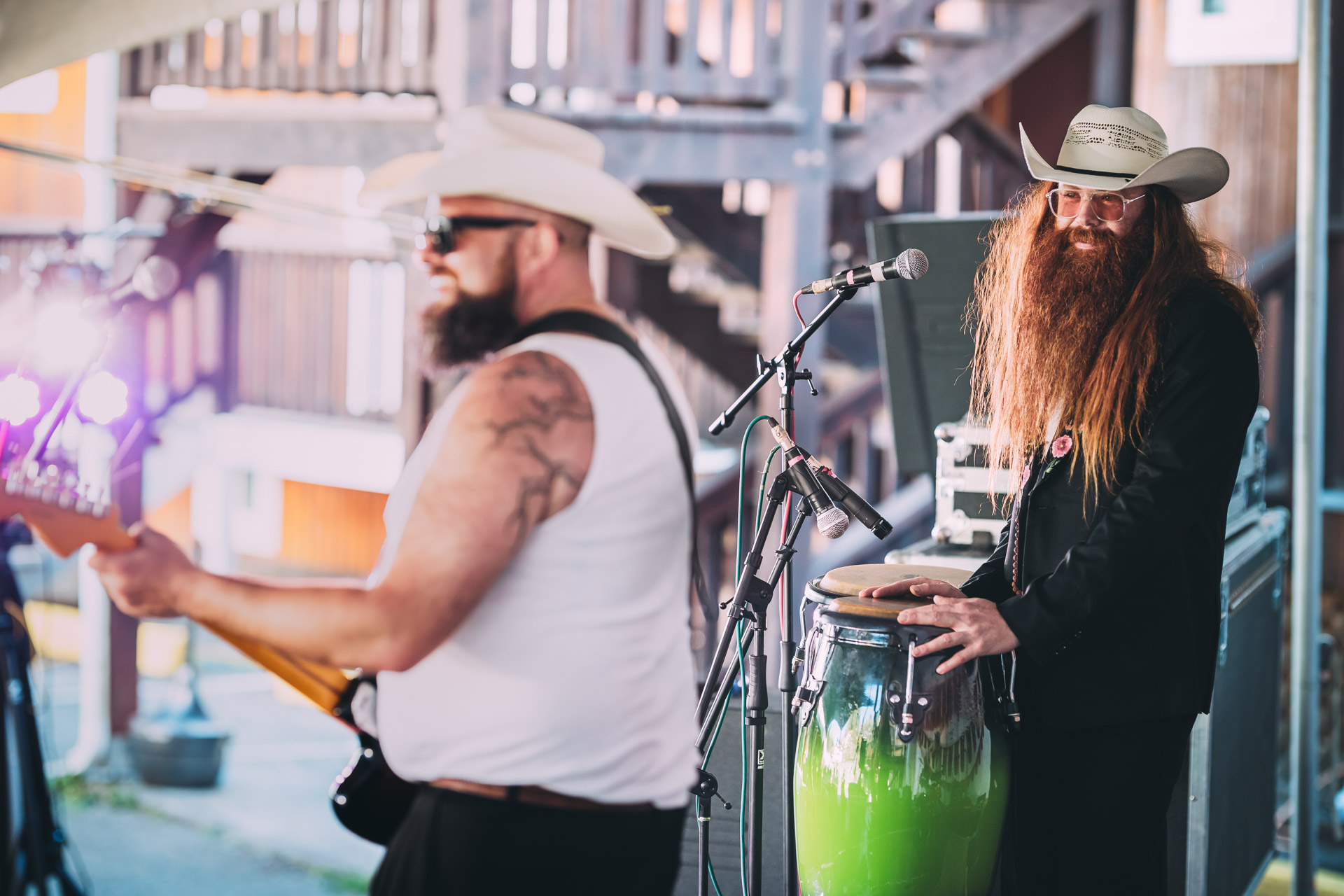
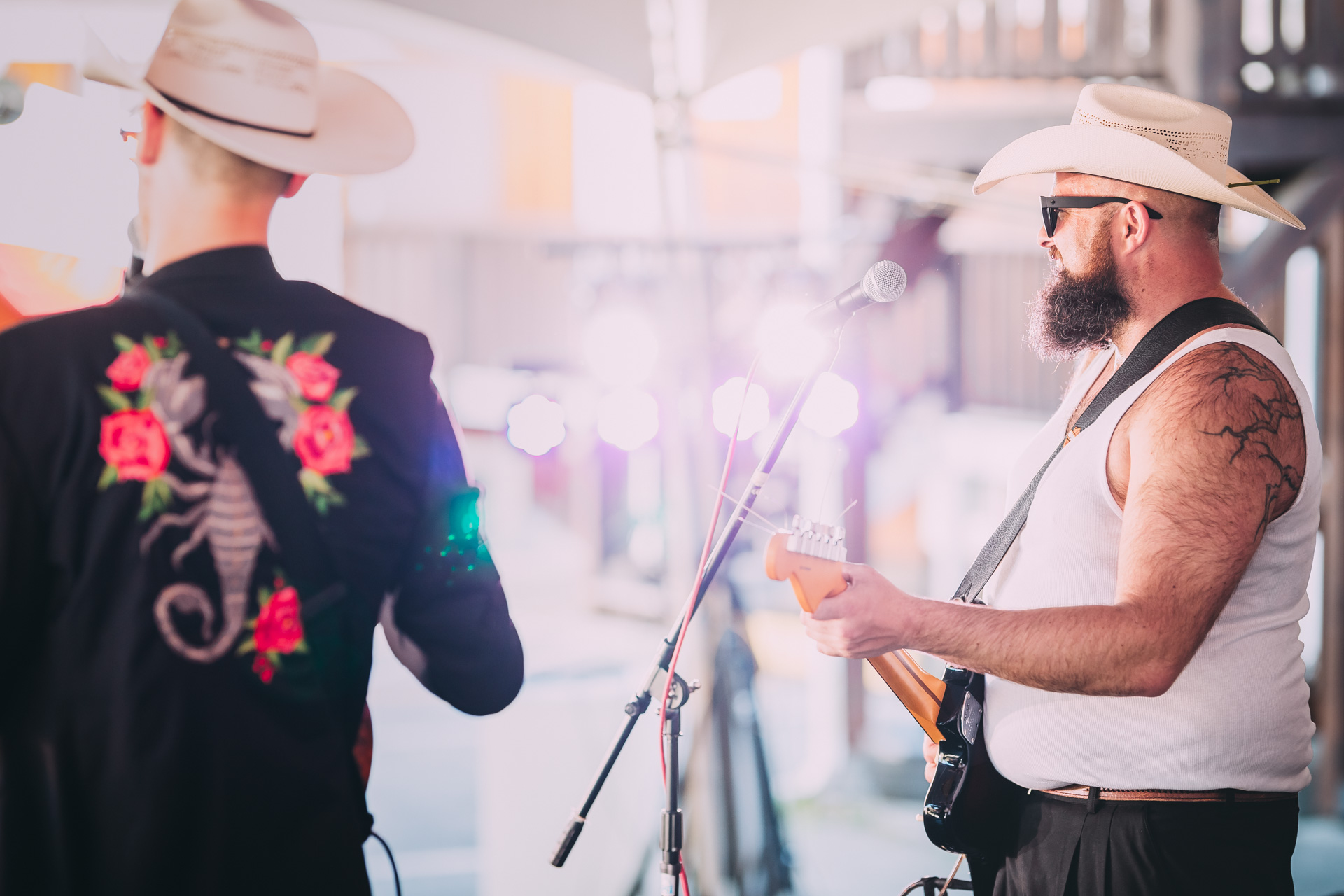
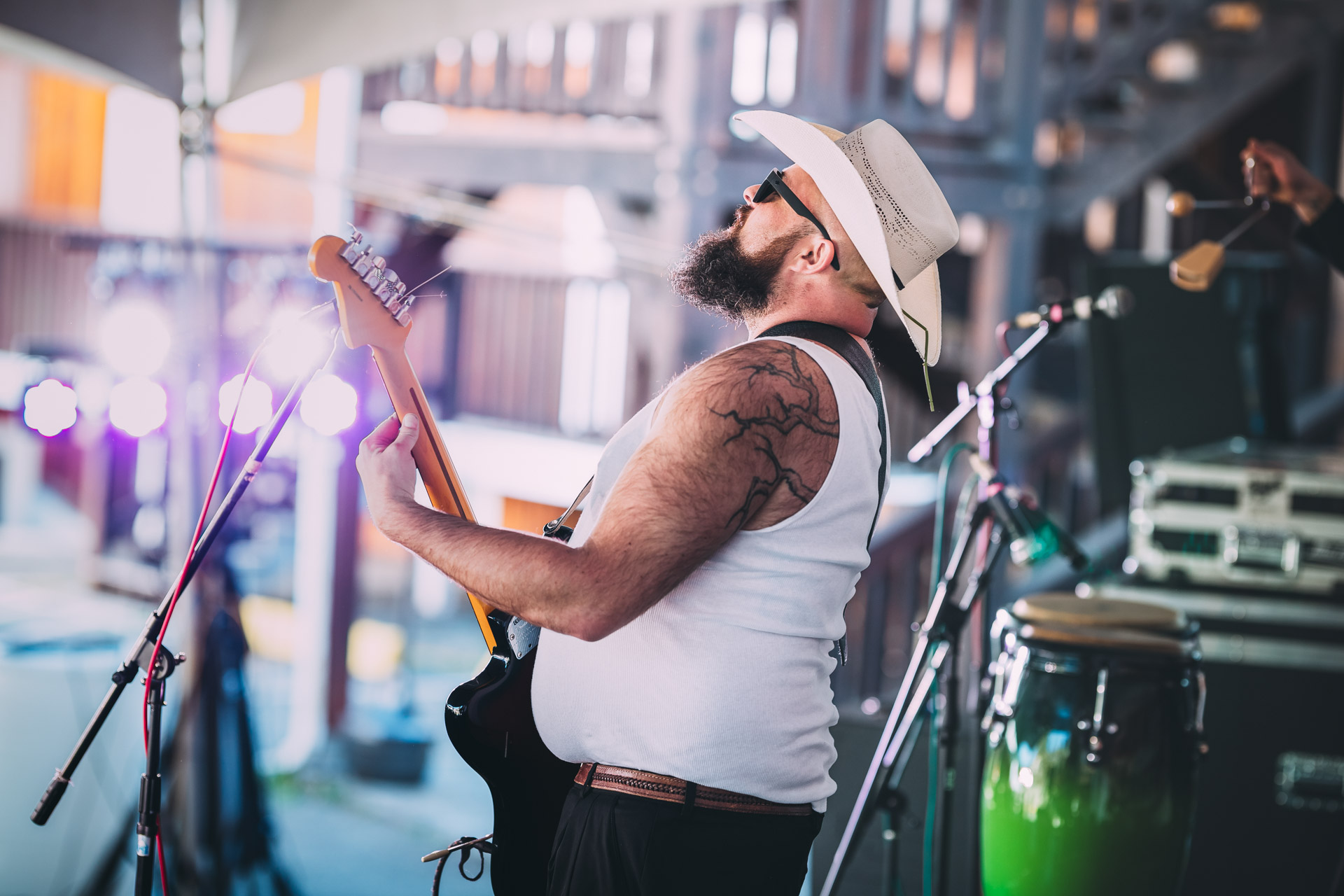
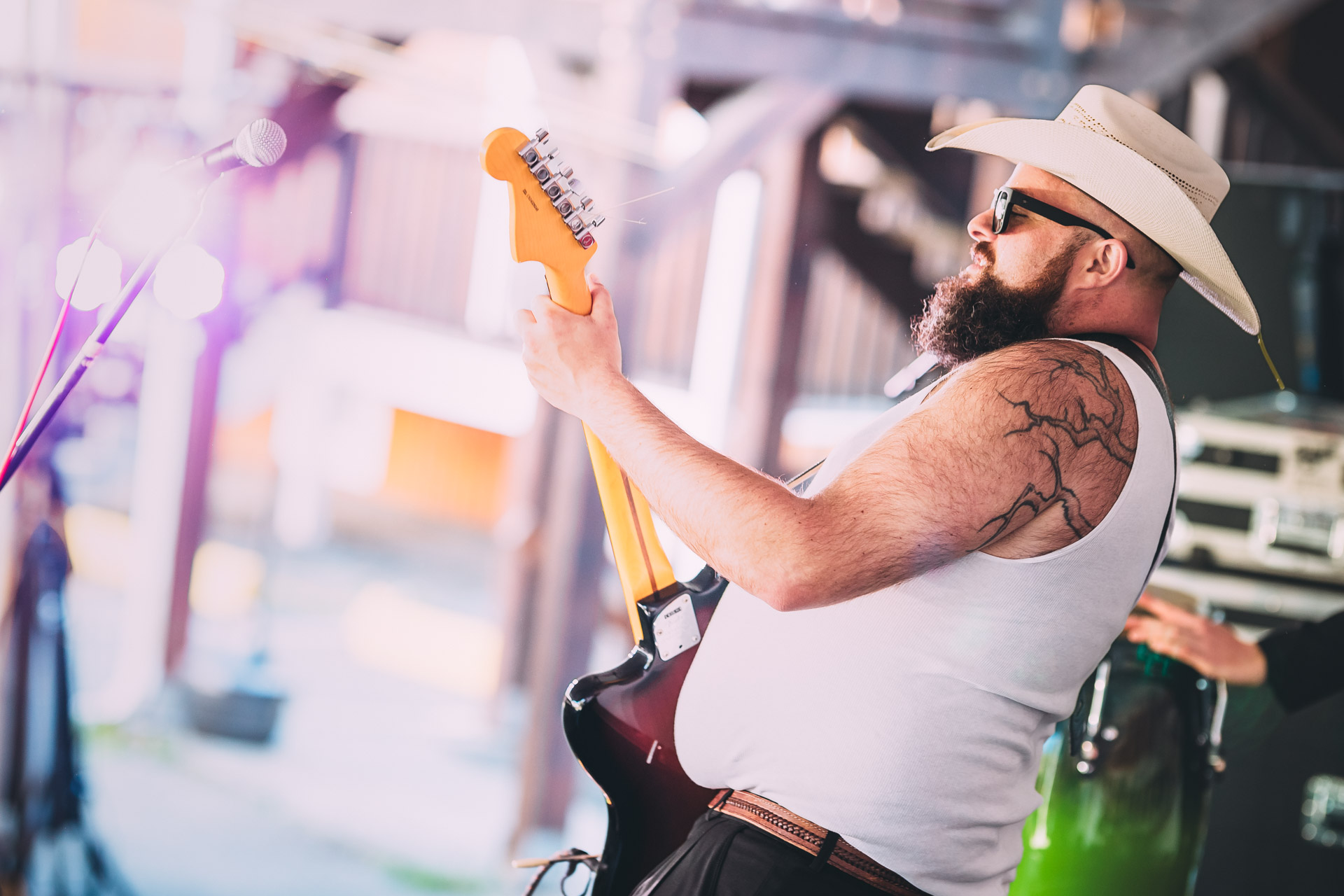
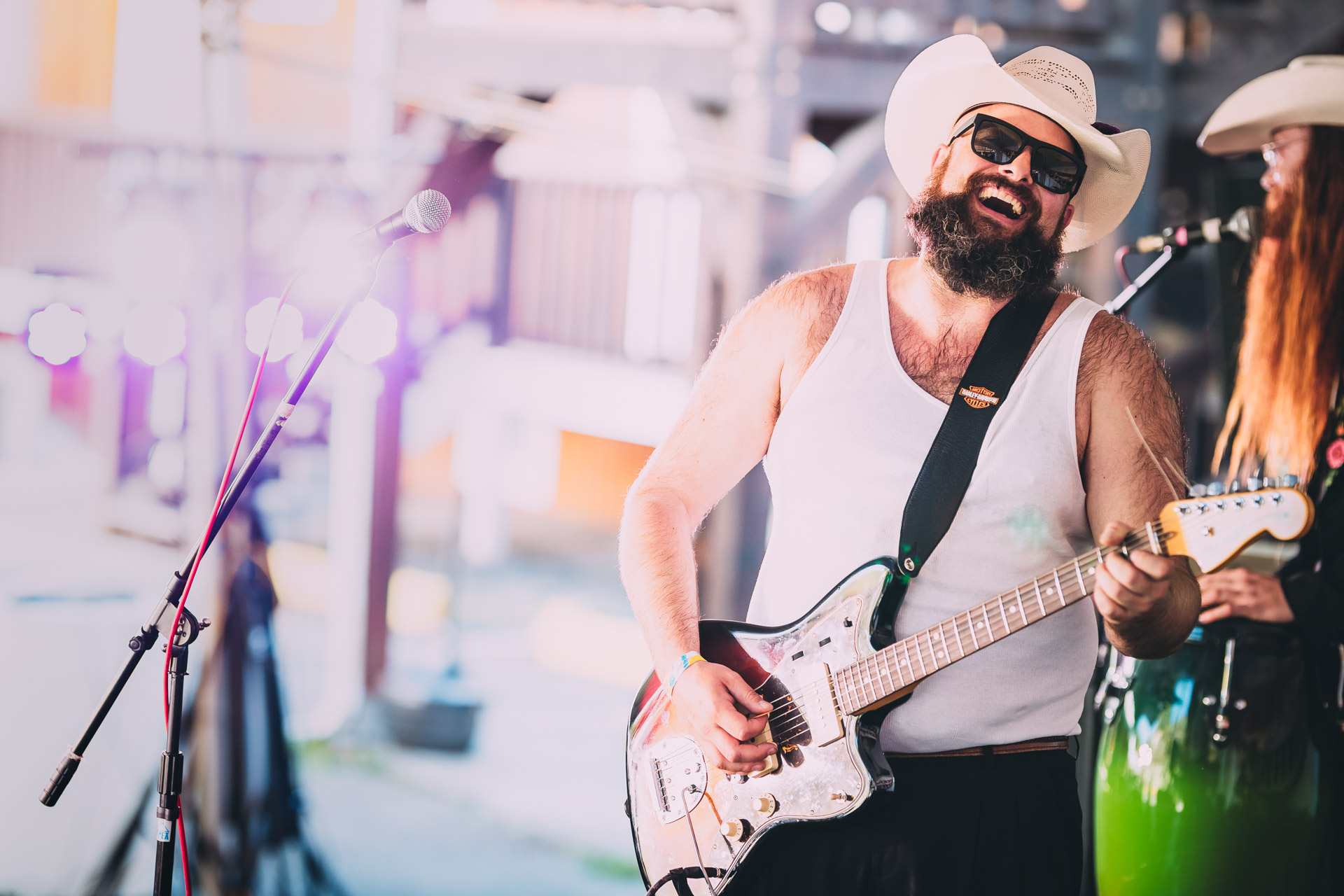
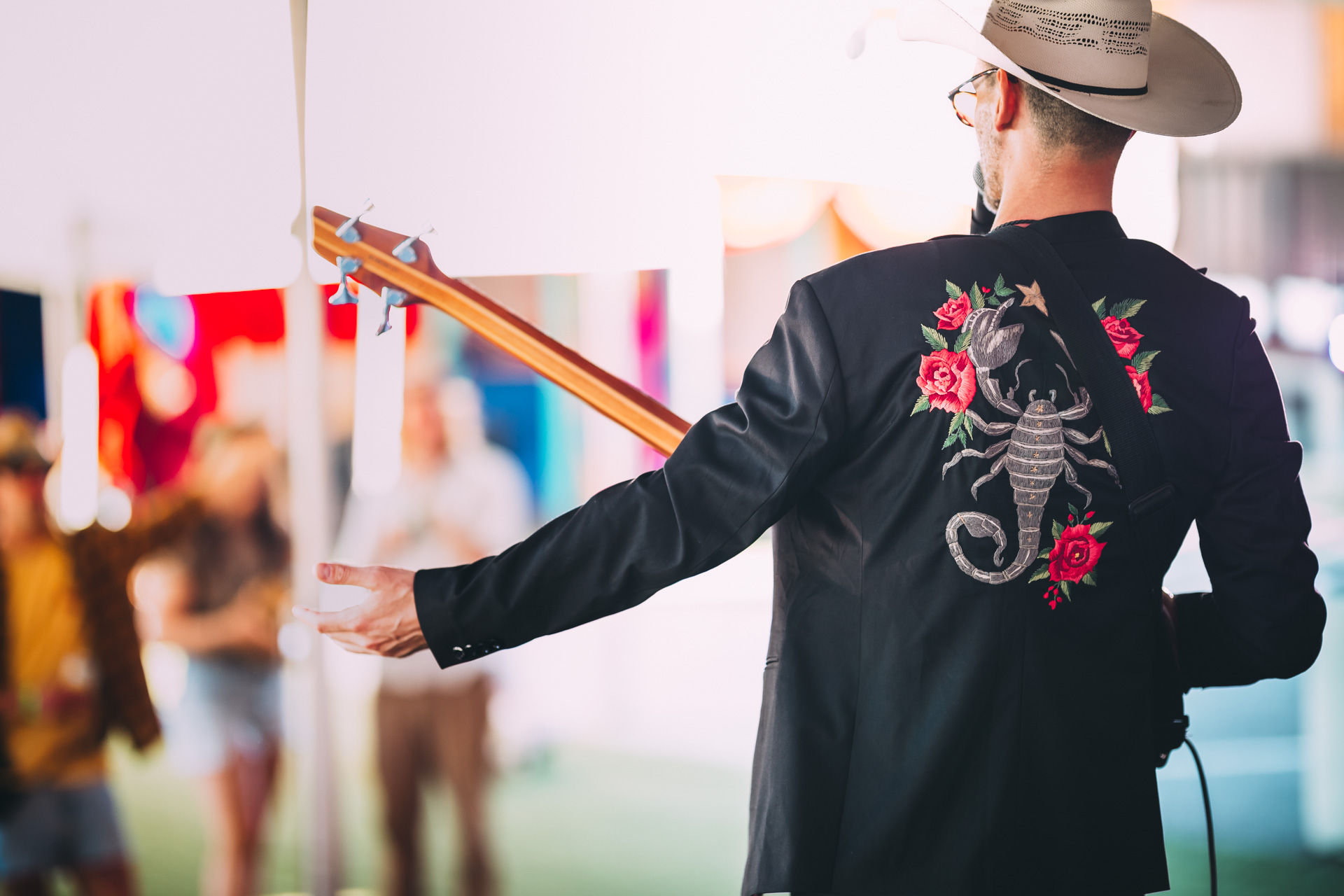
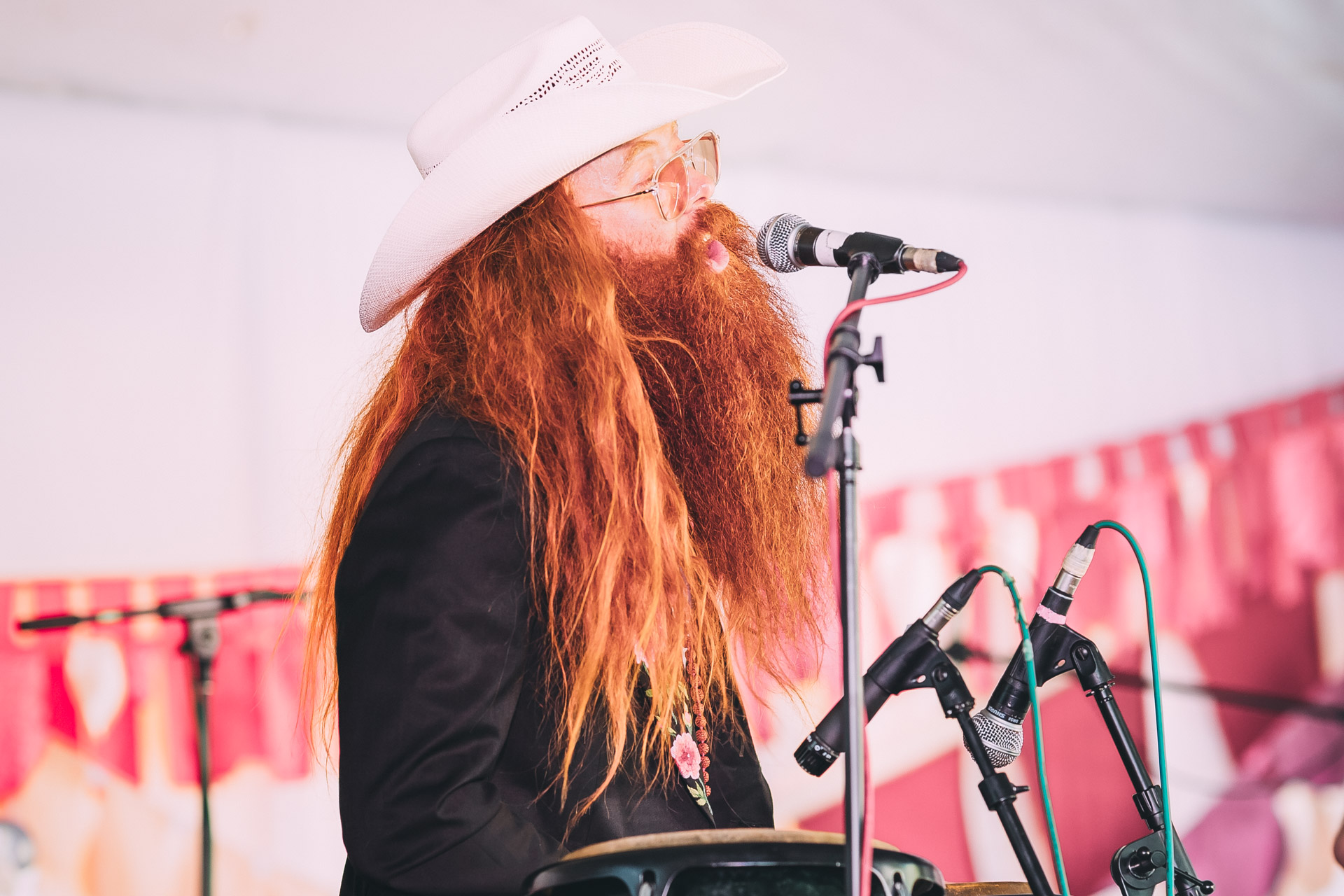
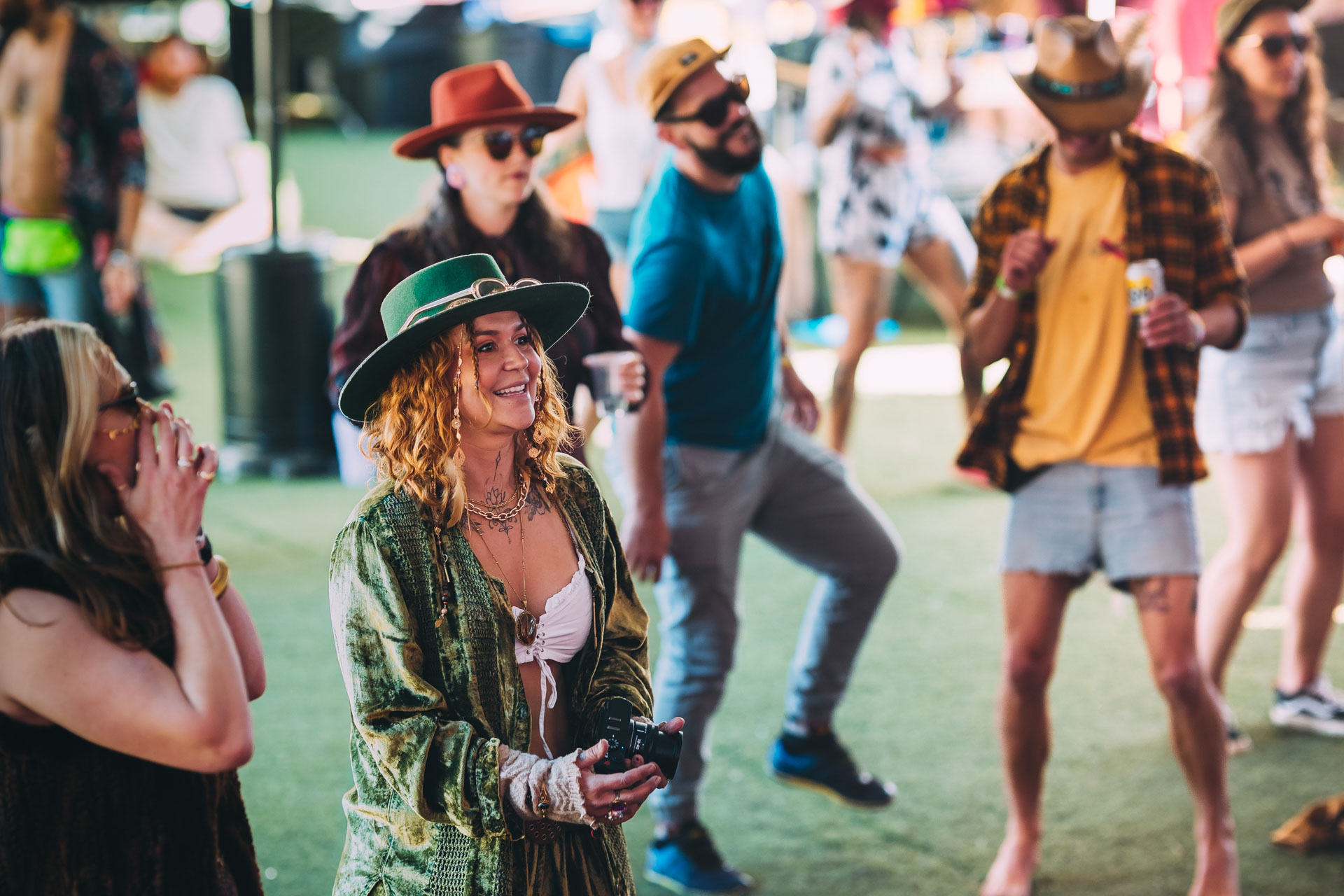
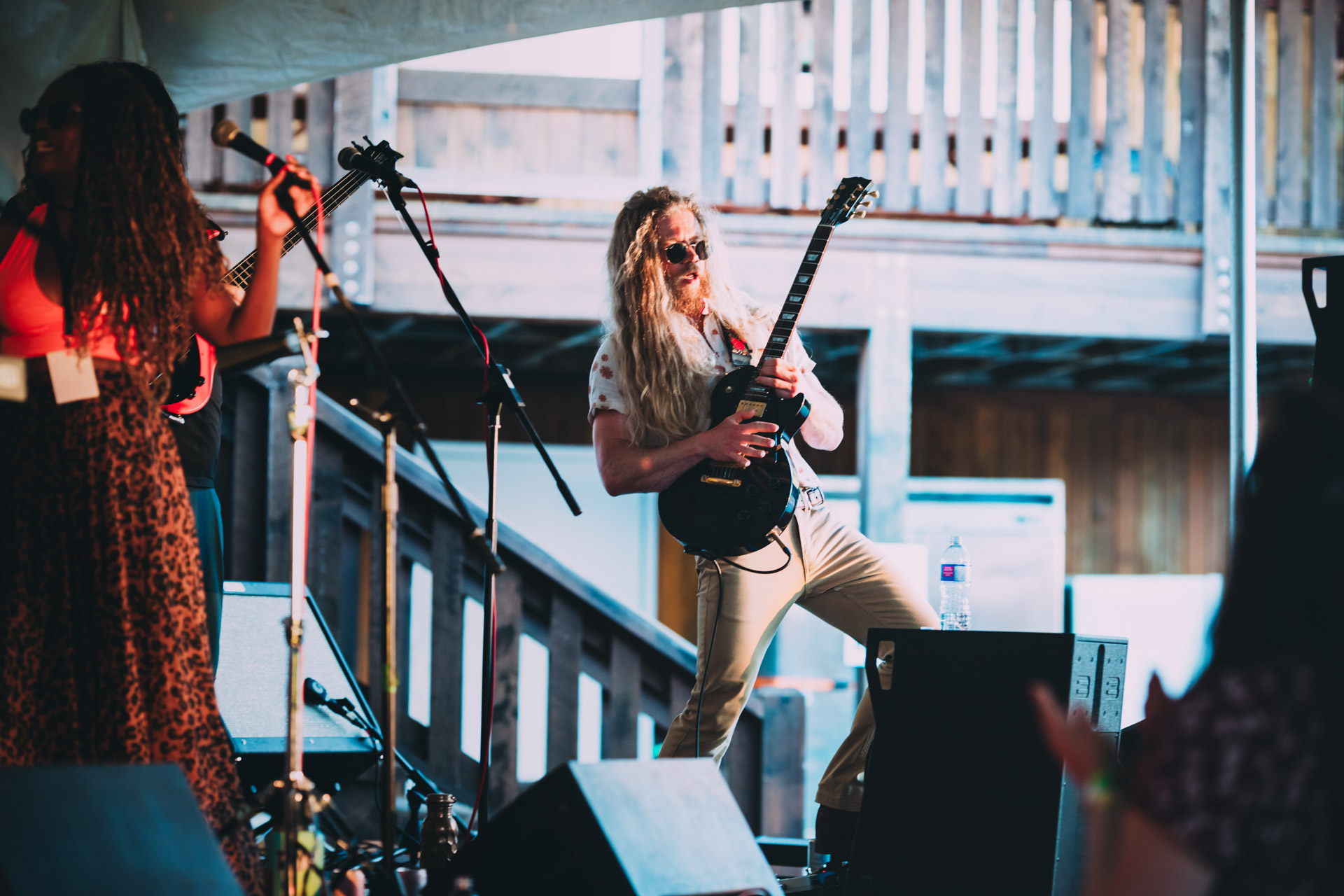
The cozy riffs of The Valhalla Playboys (Nelson, BC) blend psychedelia and Western; each subsequent track from these gentle, bearded giants energizes the crowd and the musicians alike — just a bit more drive, and jackets become unnecessary.
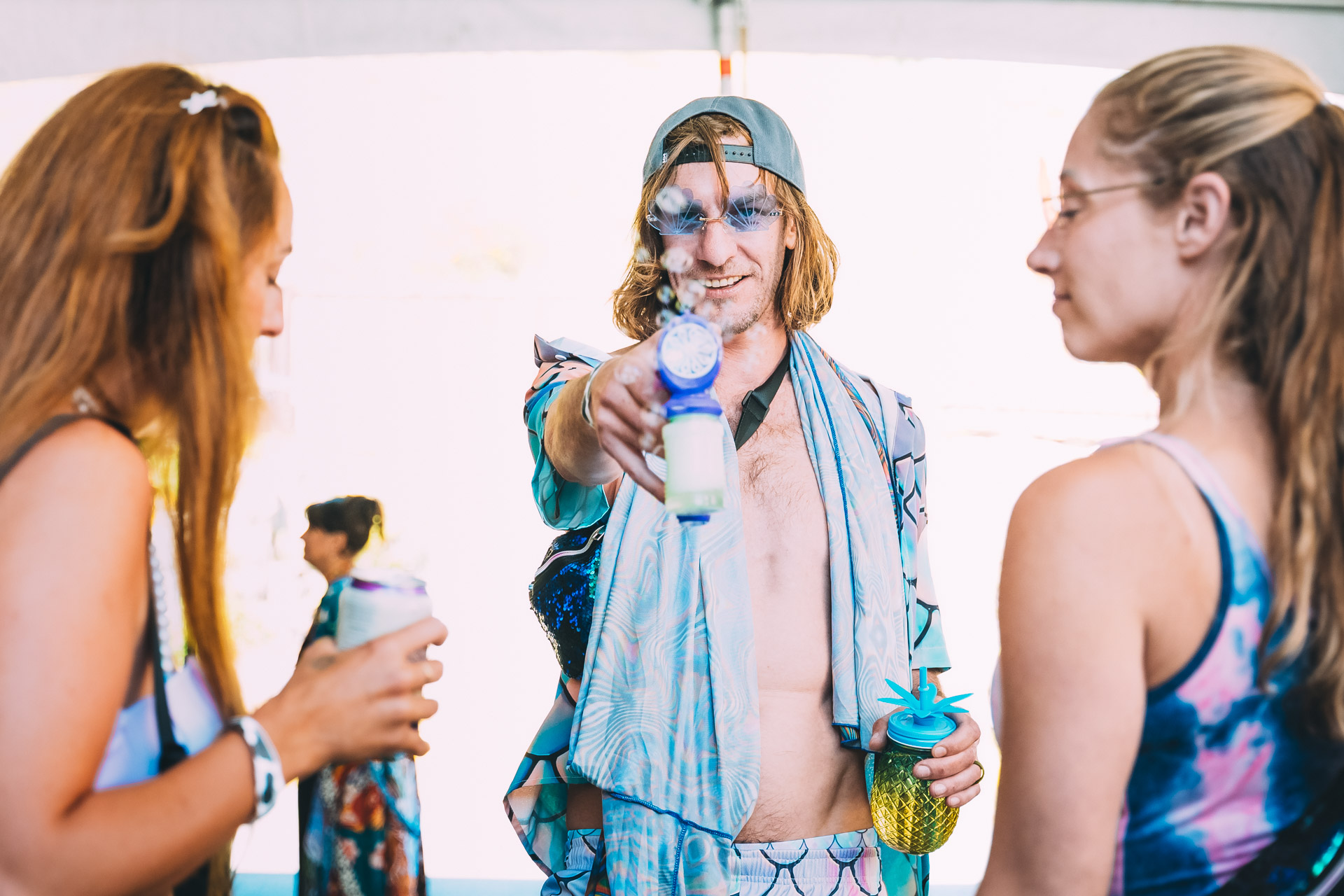
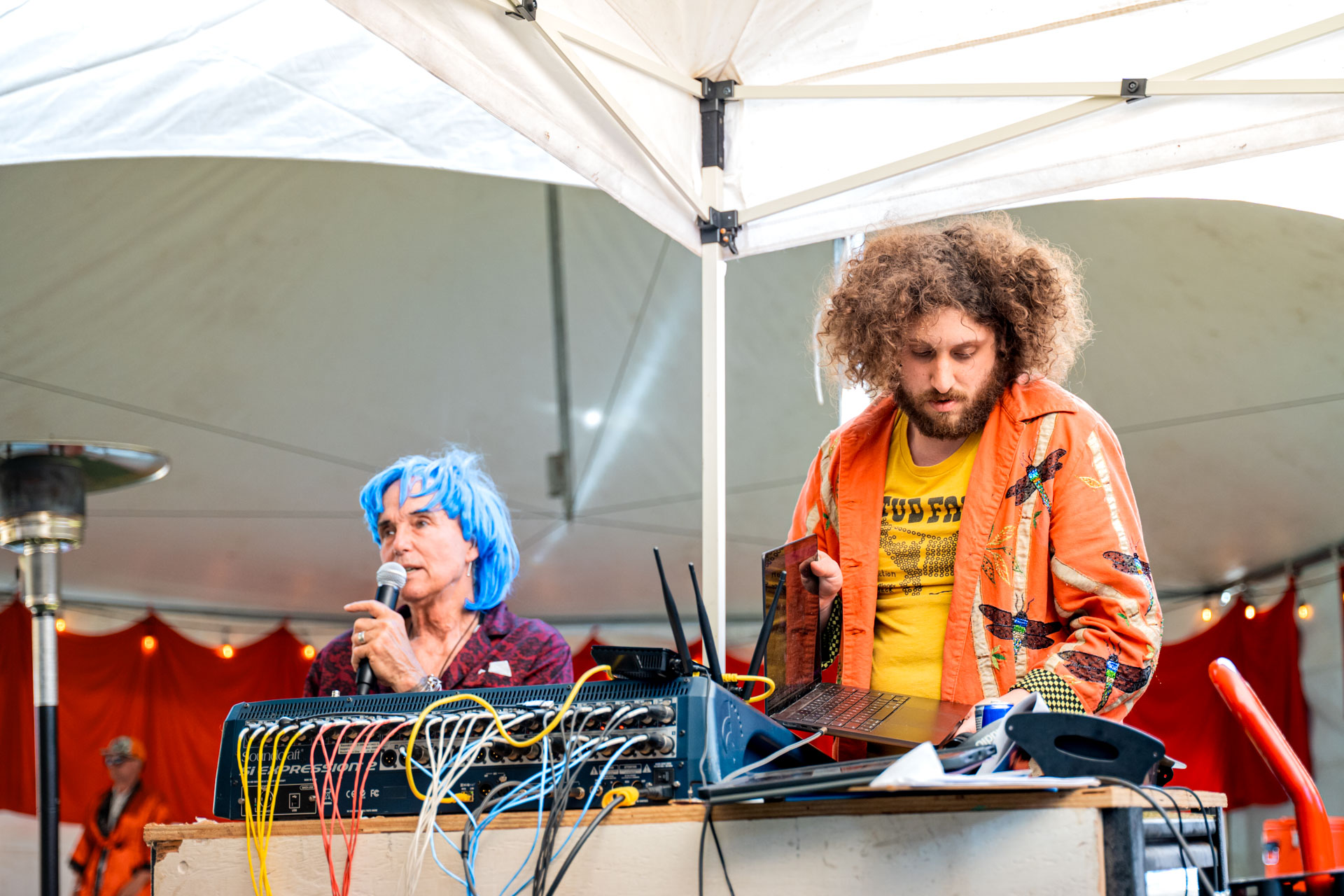
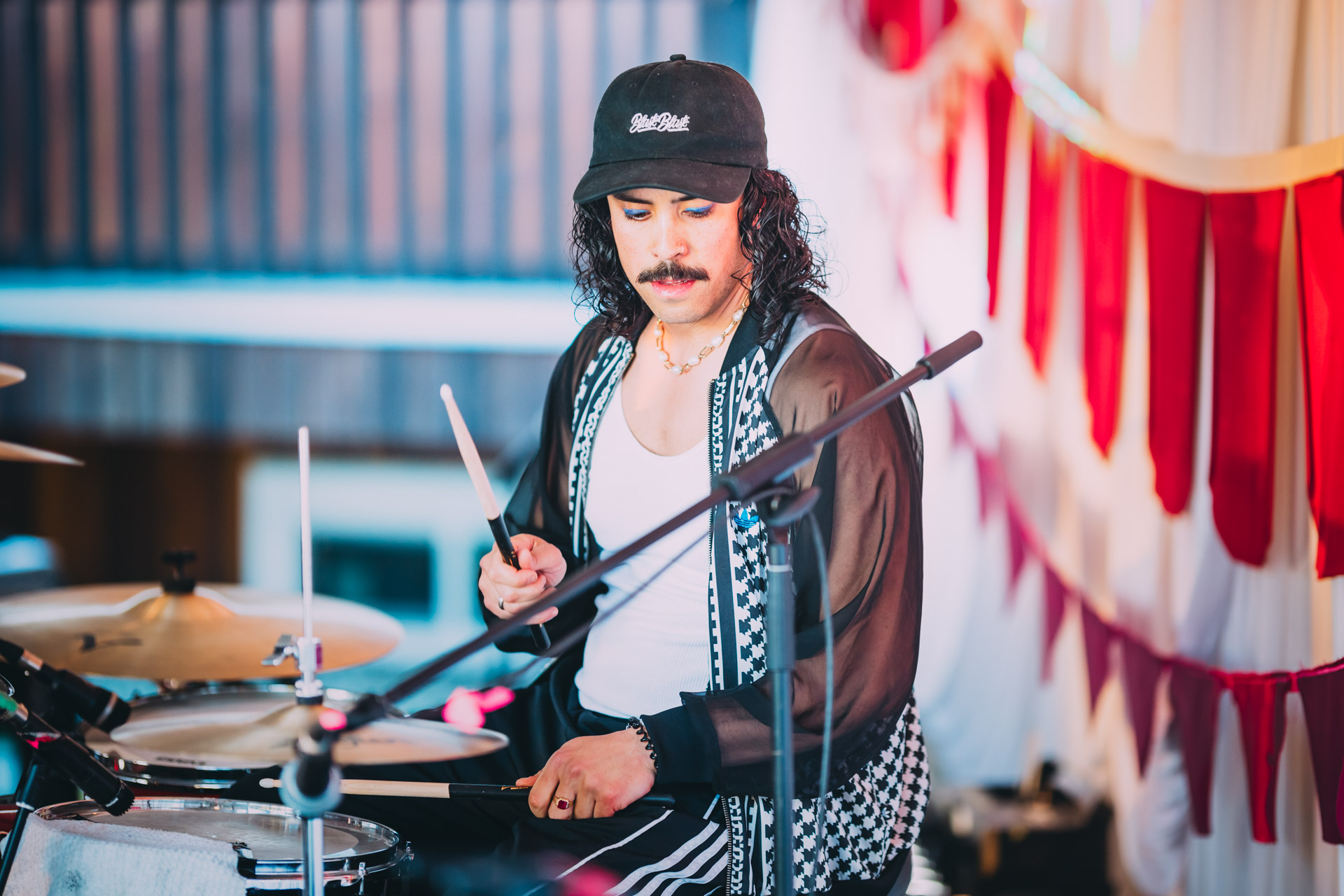
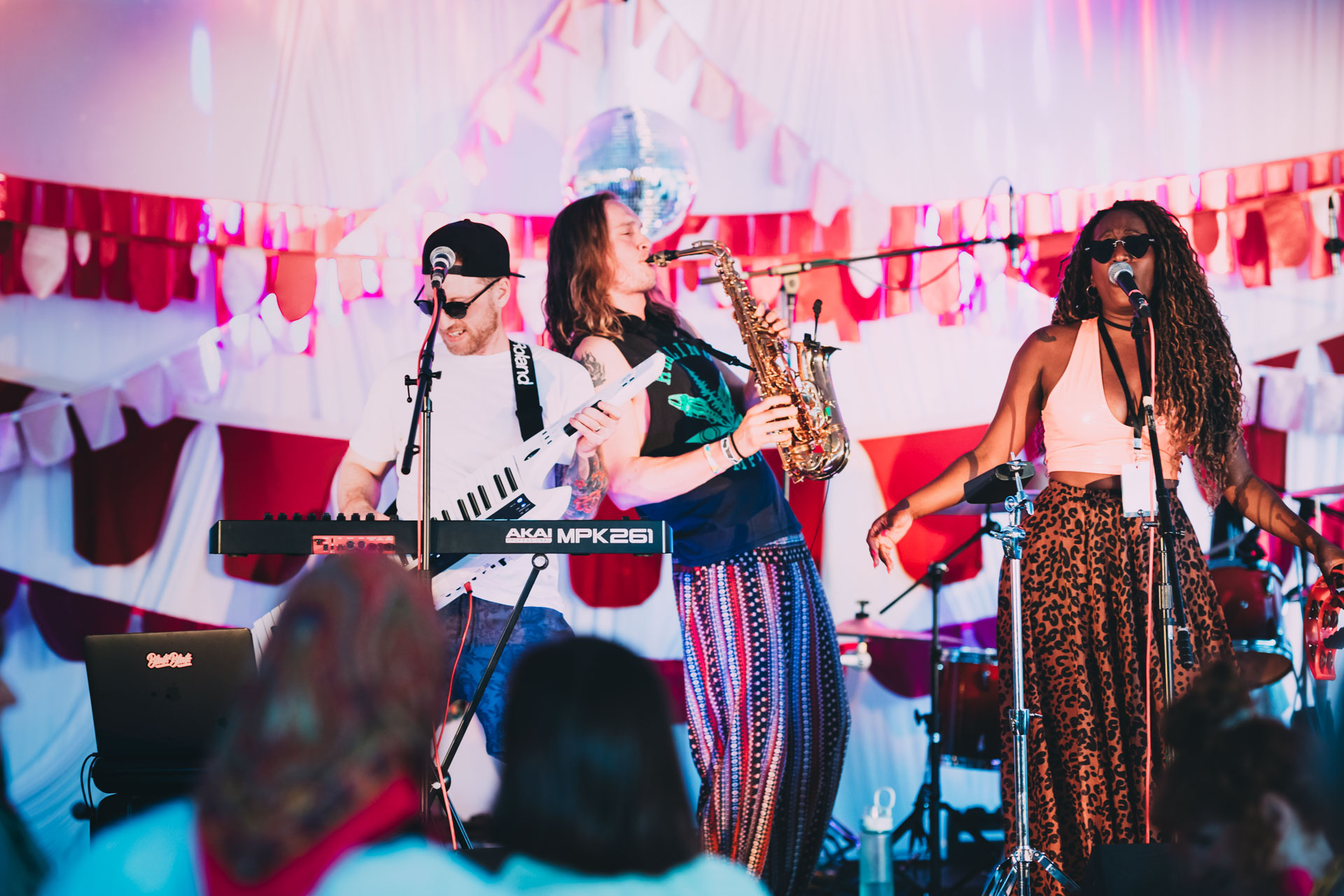
The soul vocals of Daniel and the funk energy of Jesus from Blasé Blasé (Victoria, BC) stir up the heat below the stage. Trying to define their style is futile — everyone hears something different: reggae, hip-hop, jazz. It doesn’t matter what you call it; what matters is that it works.
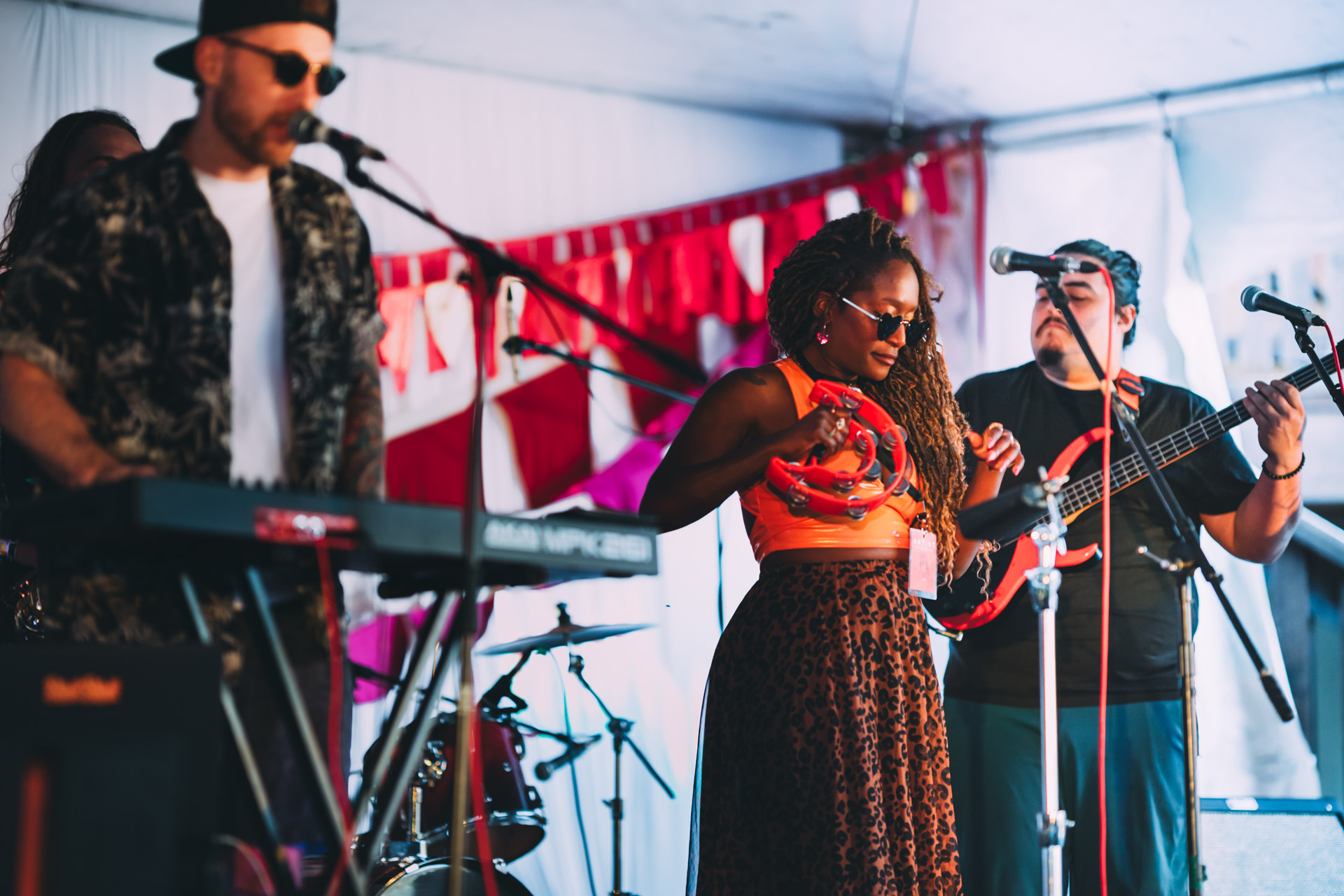
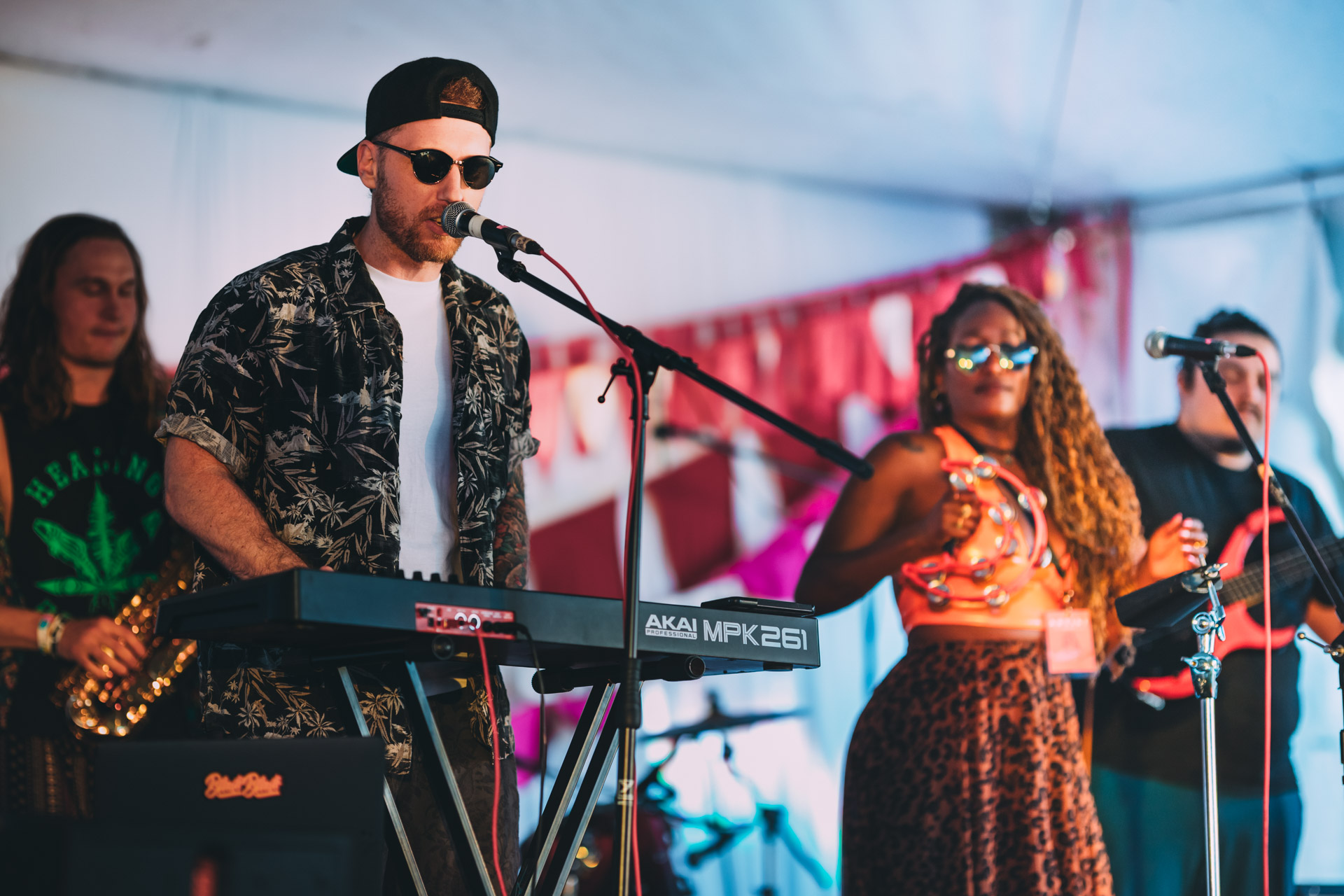
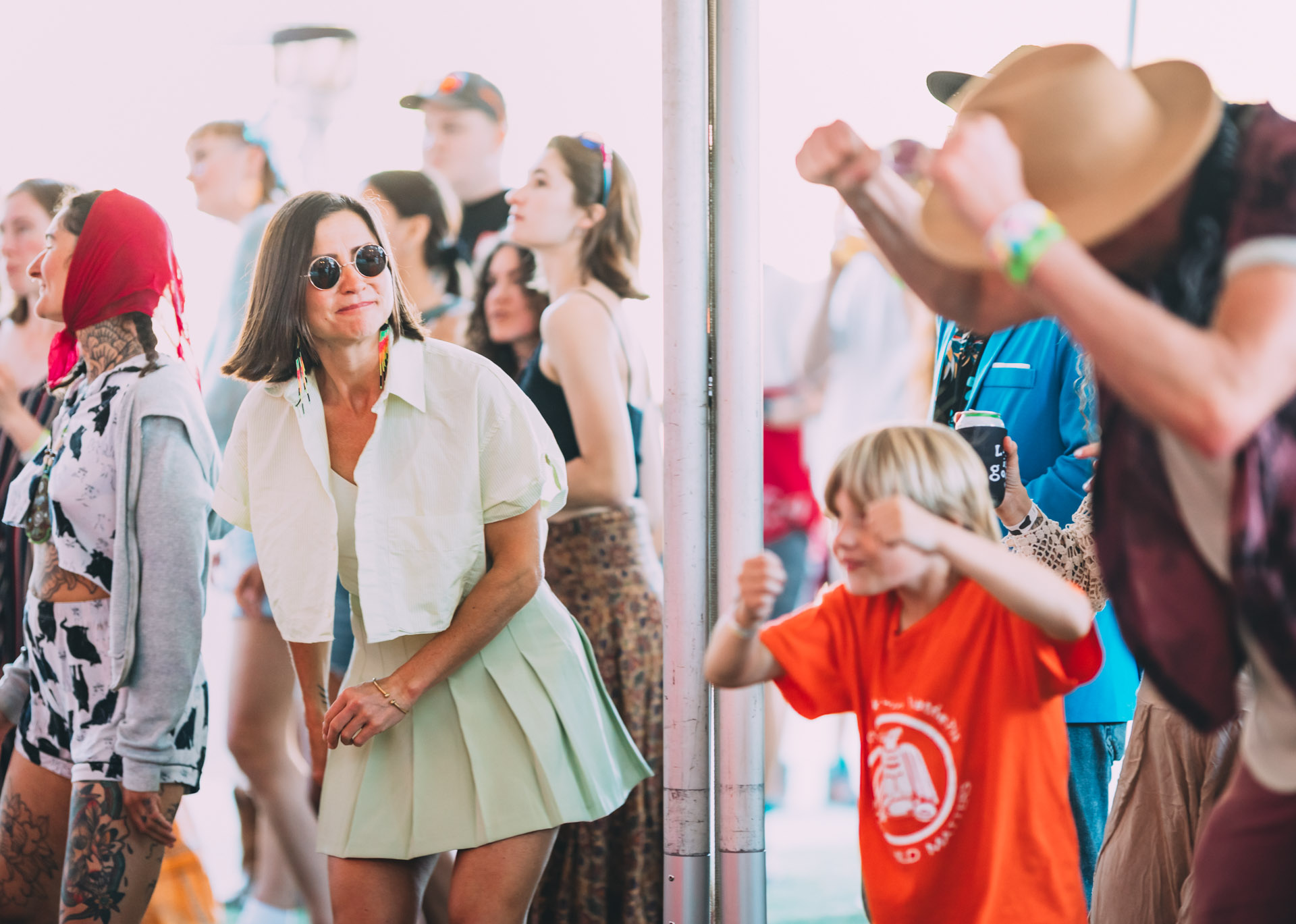
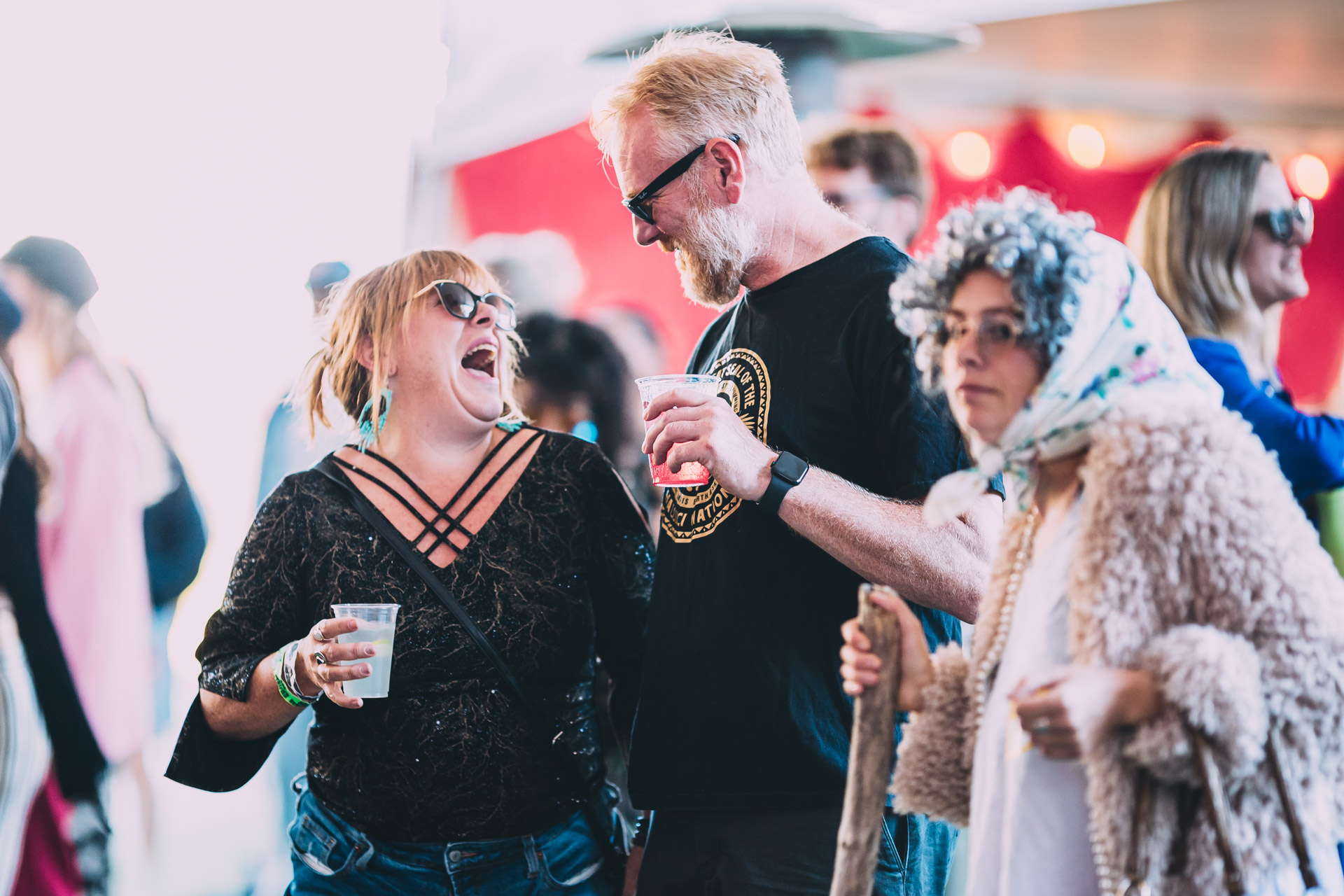
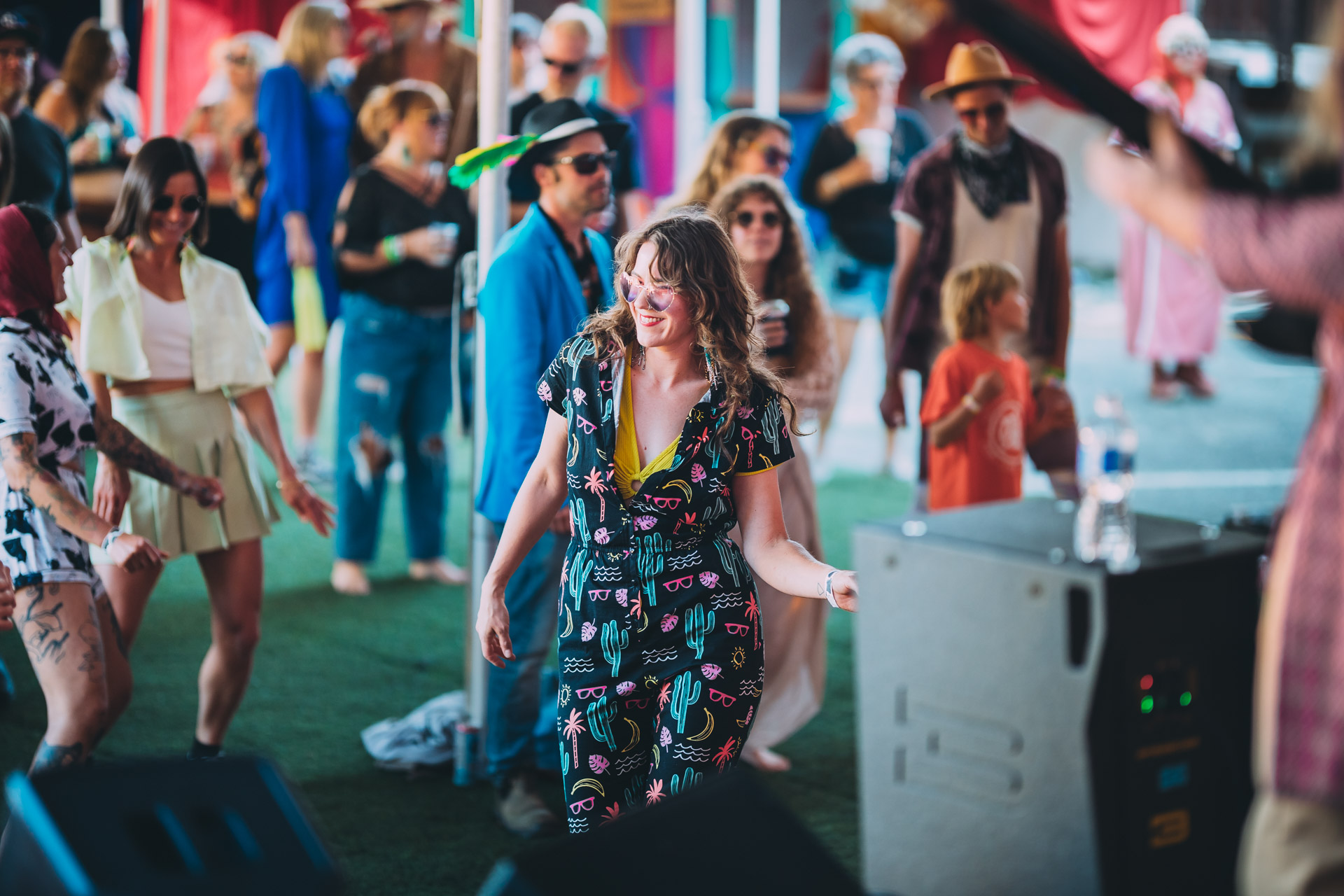
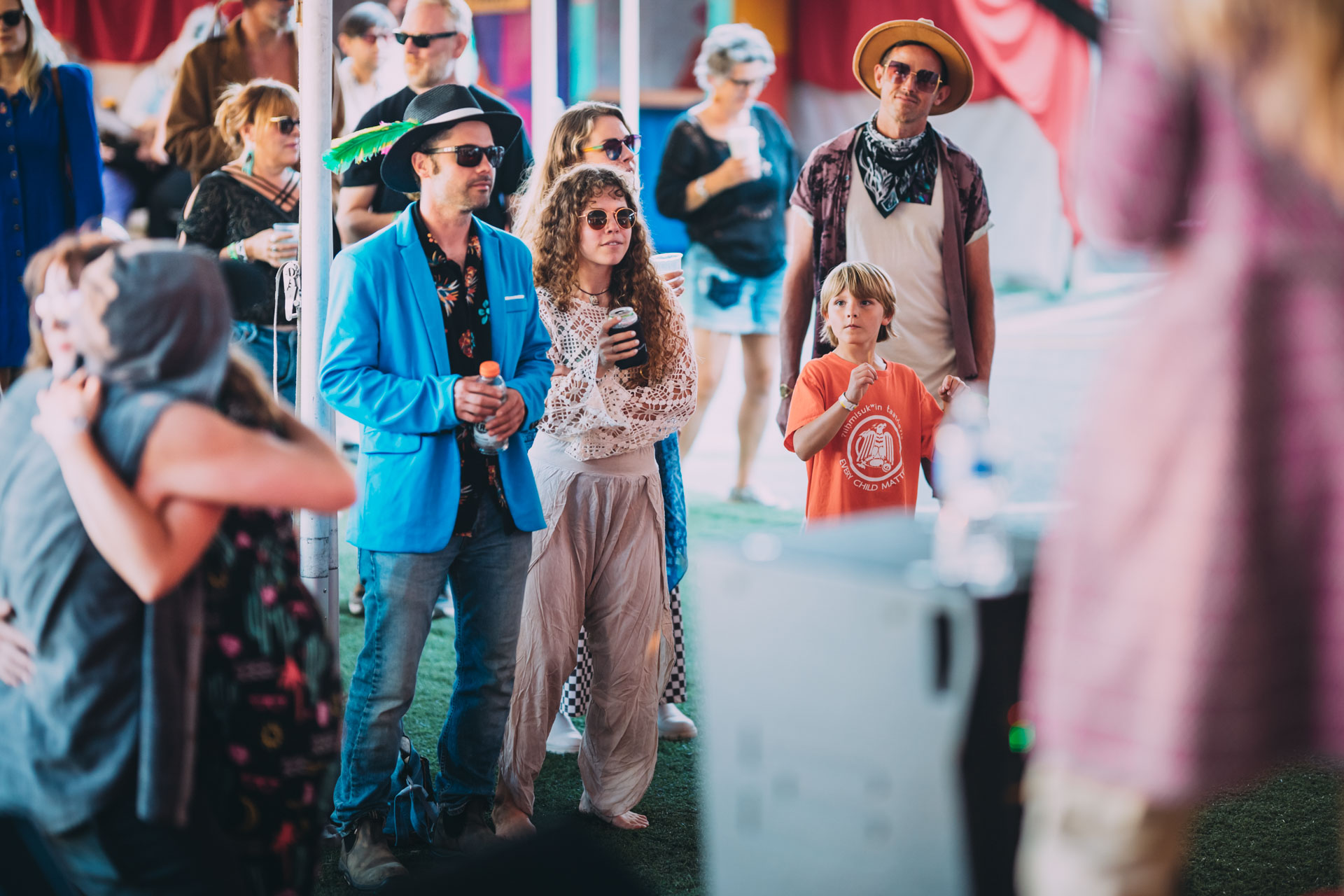
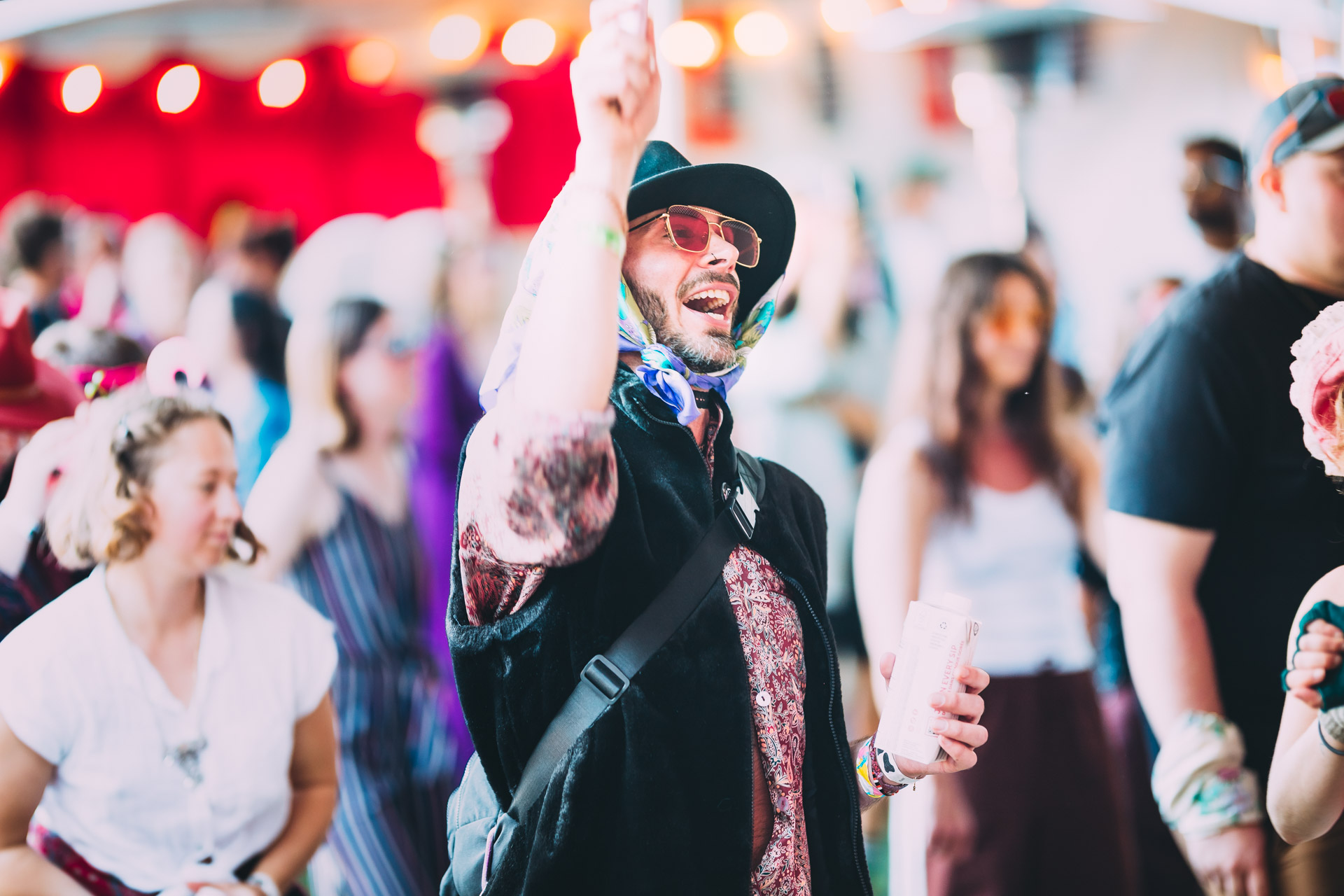
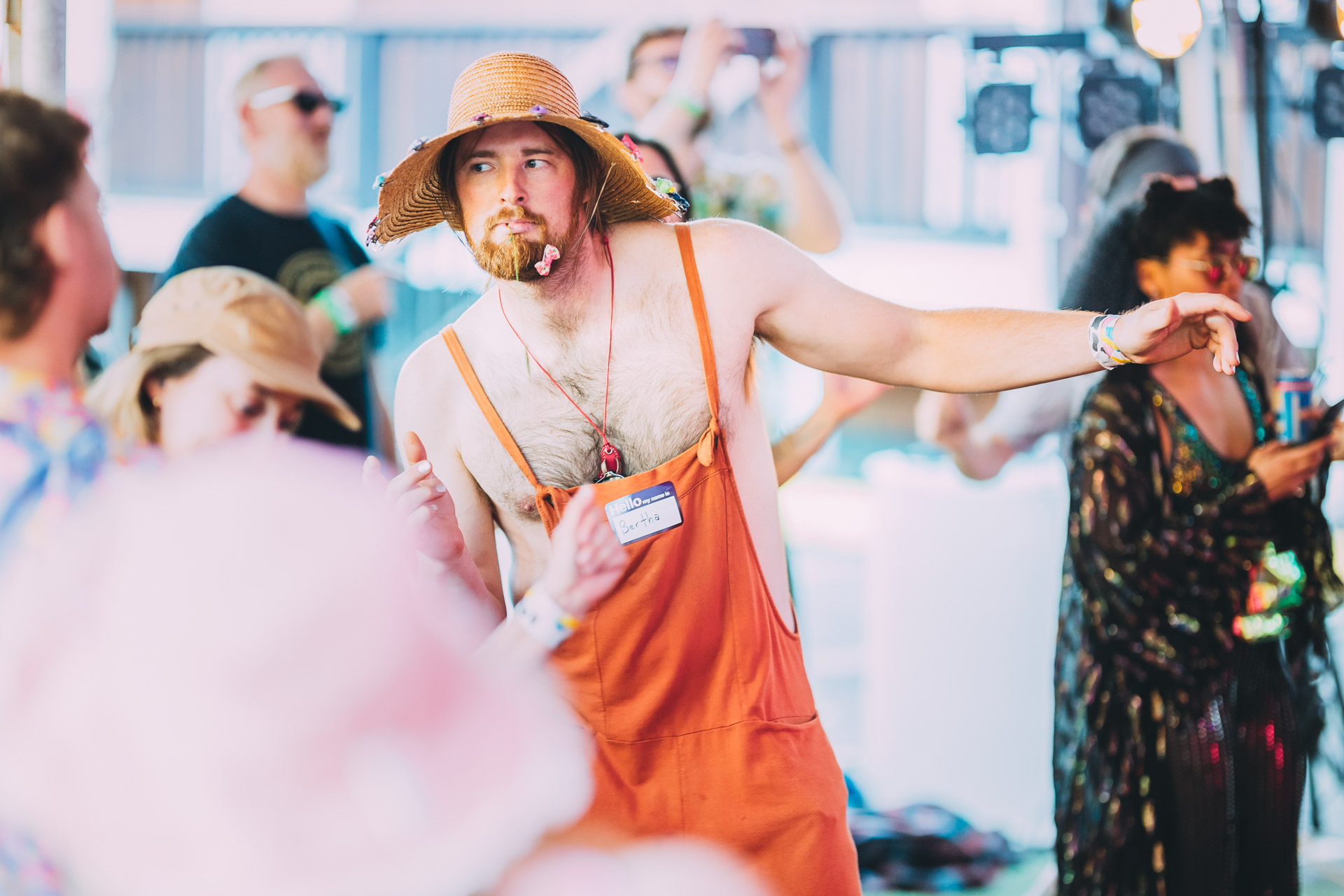
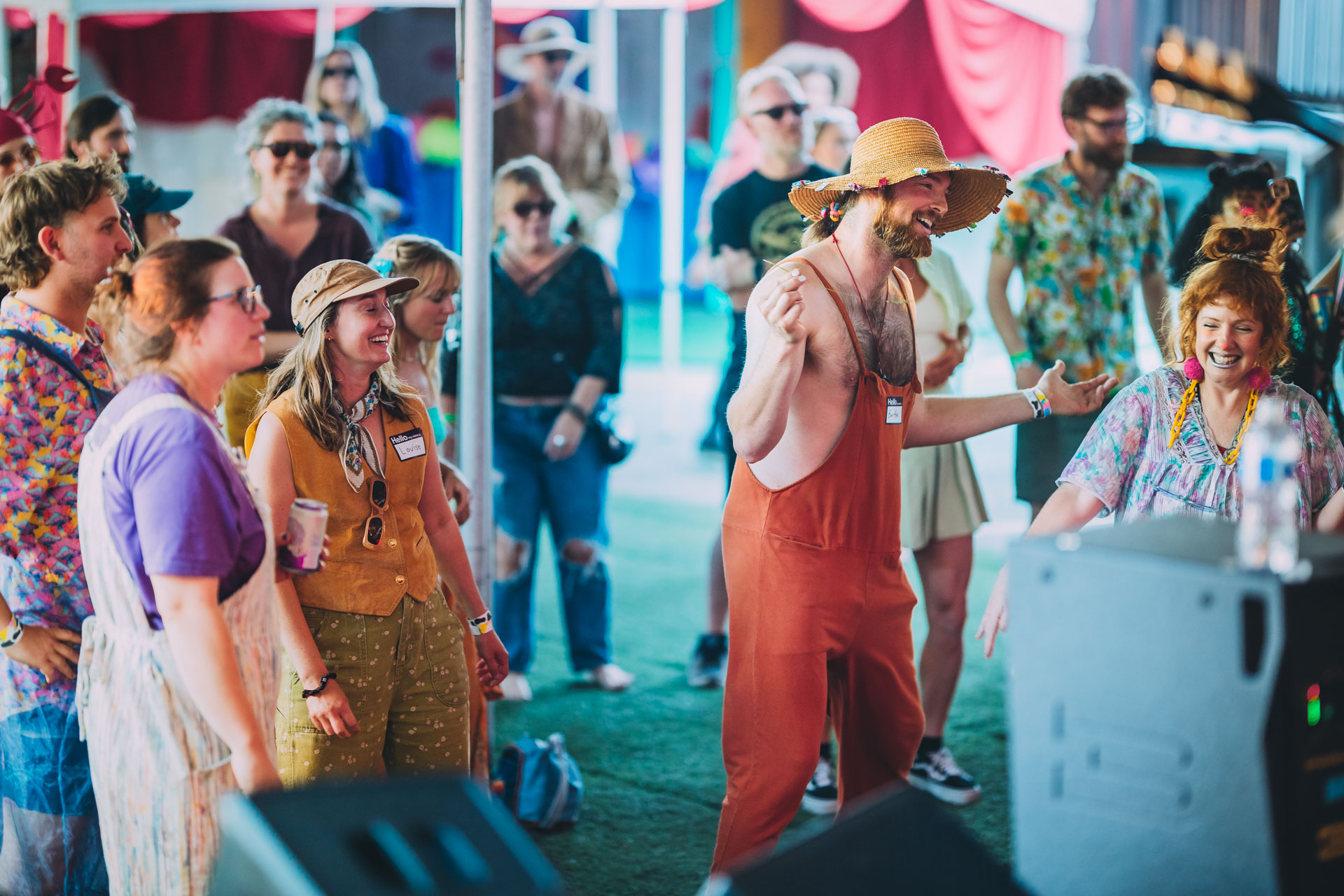
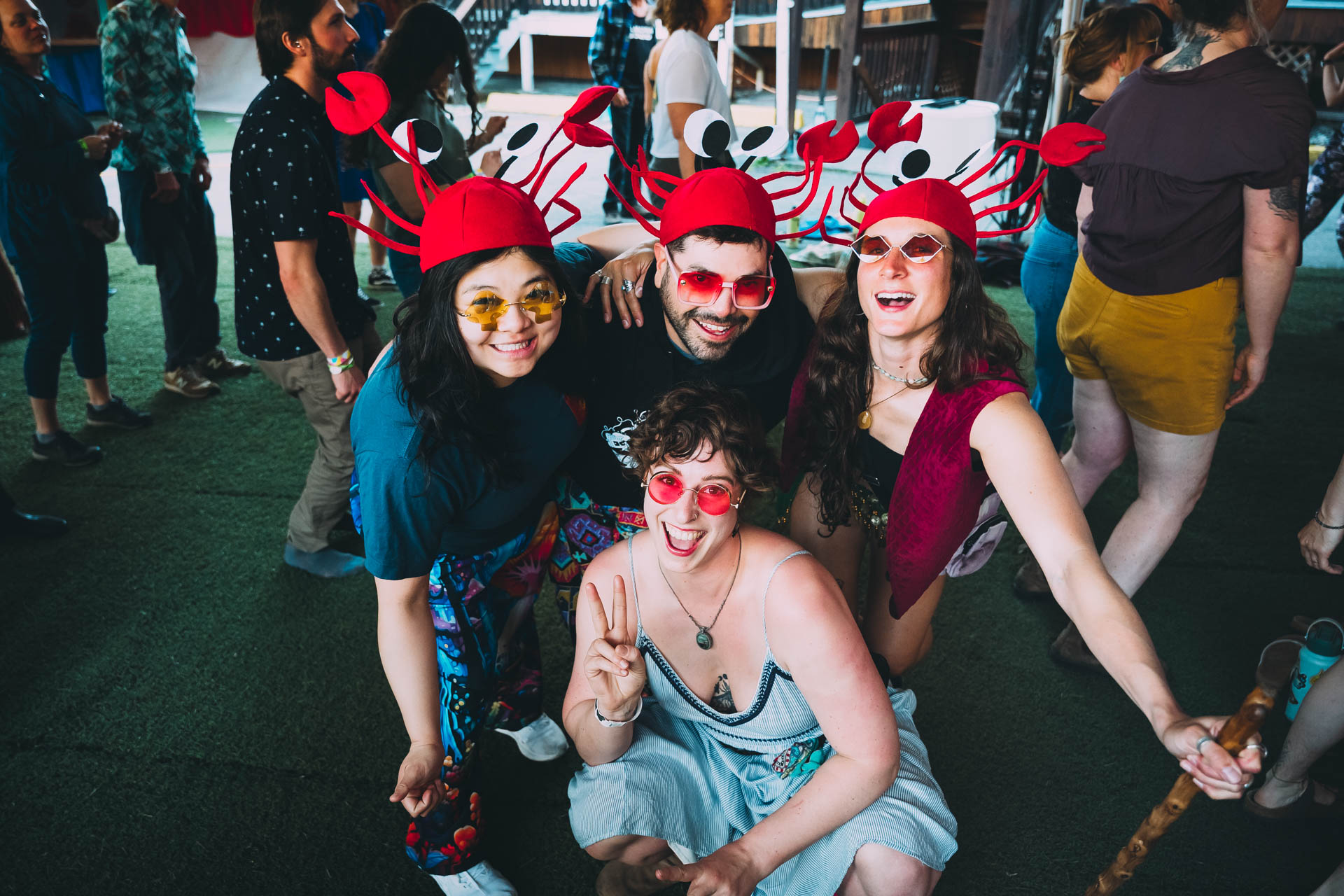

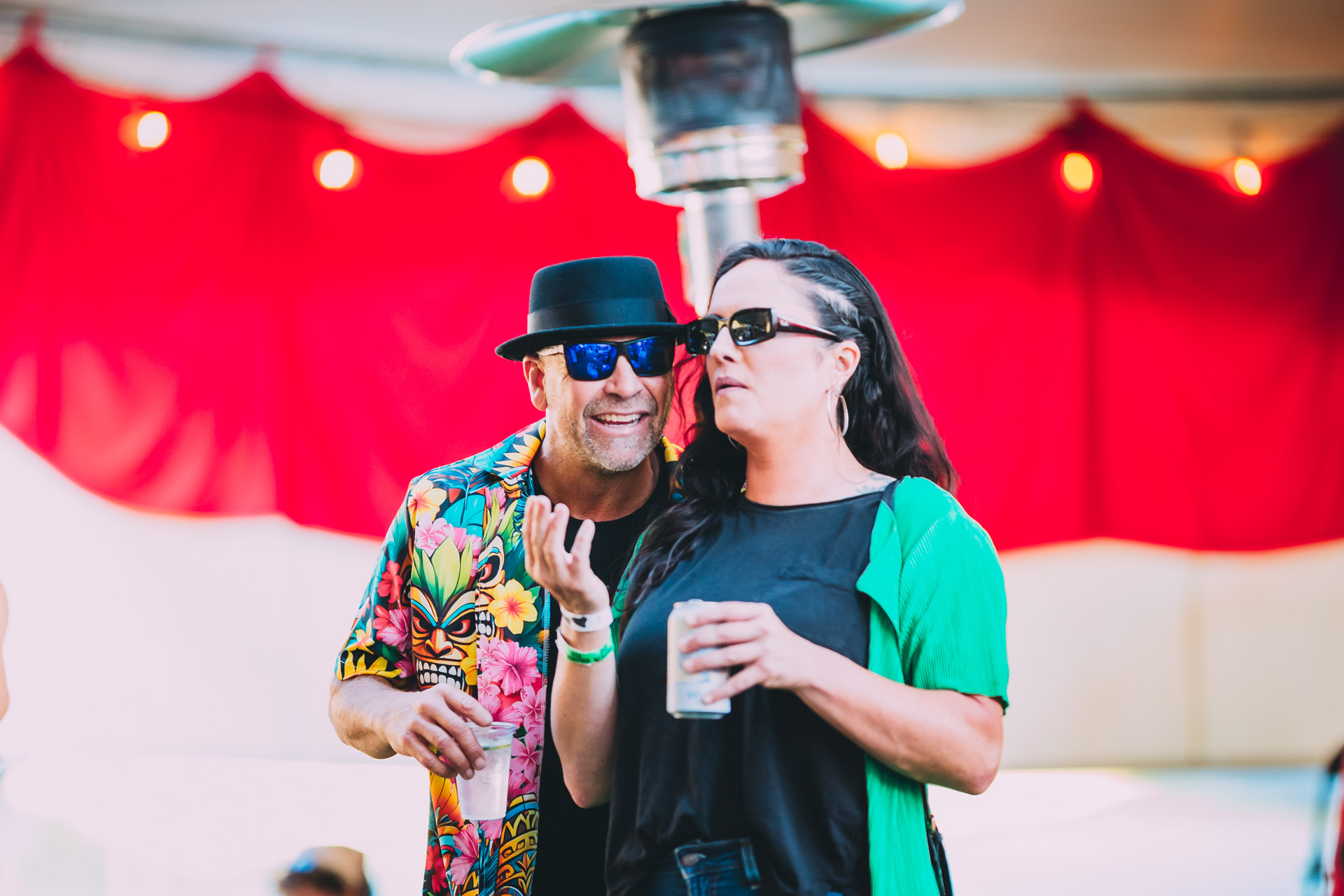
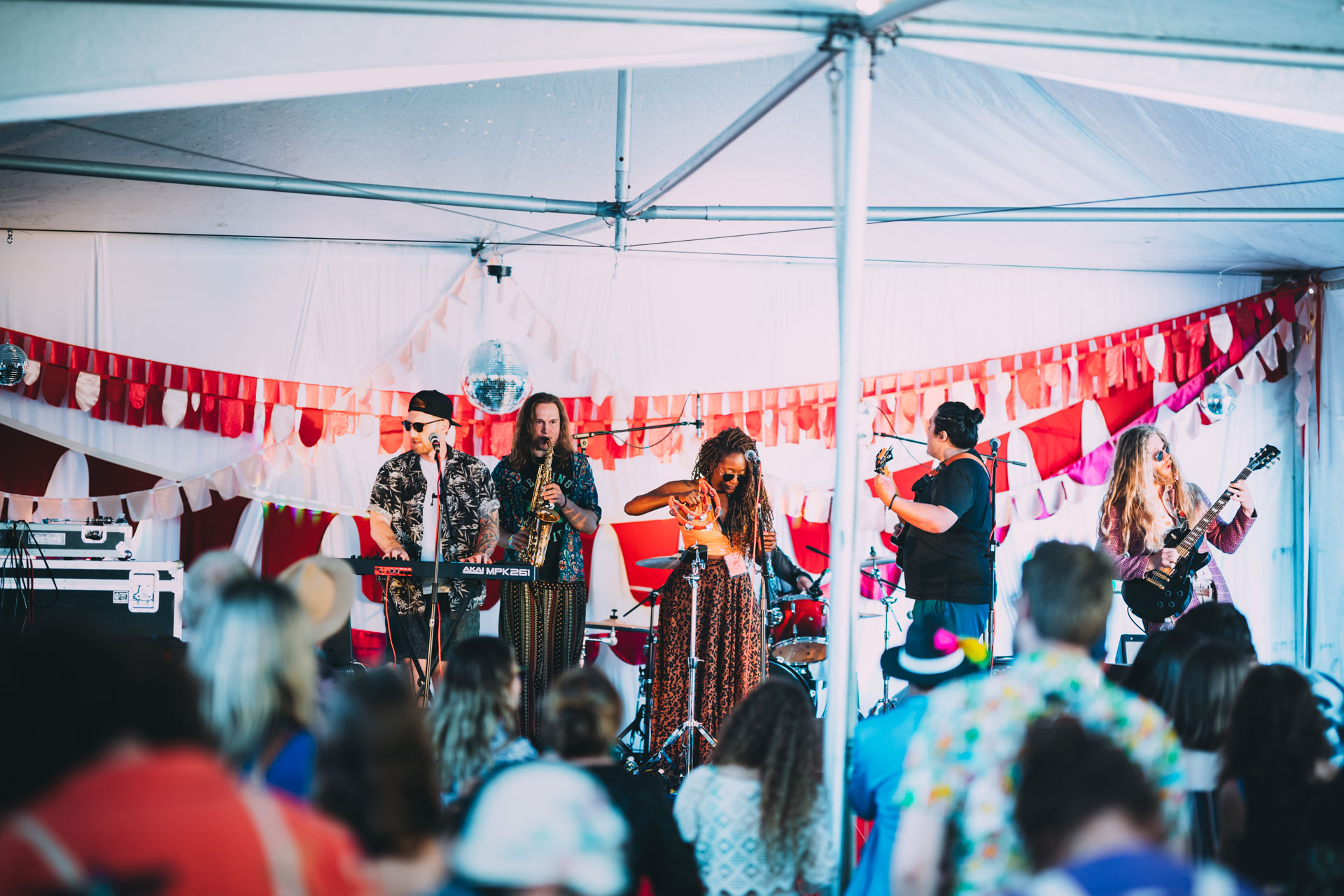
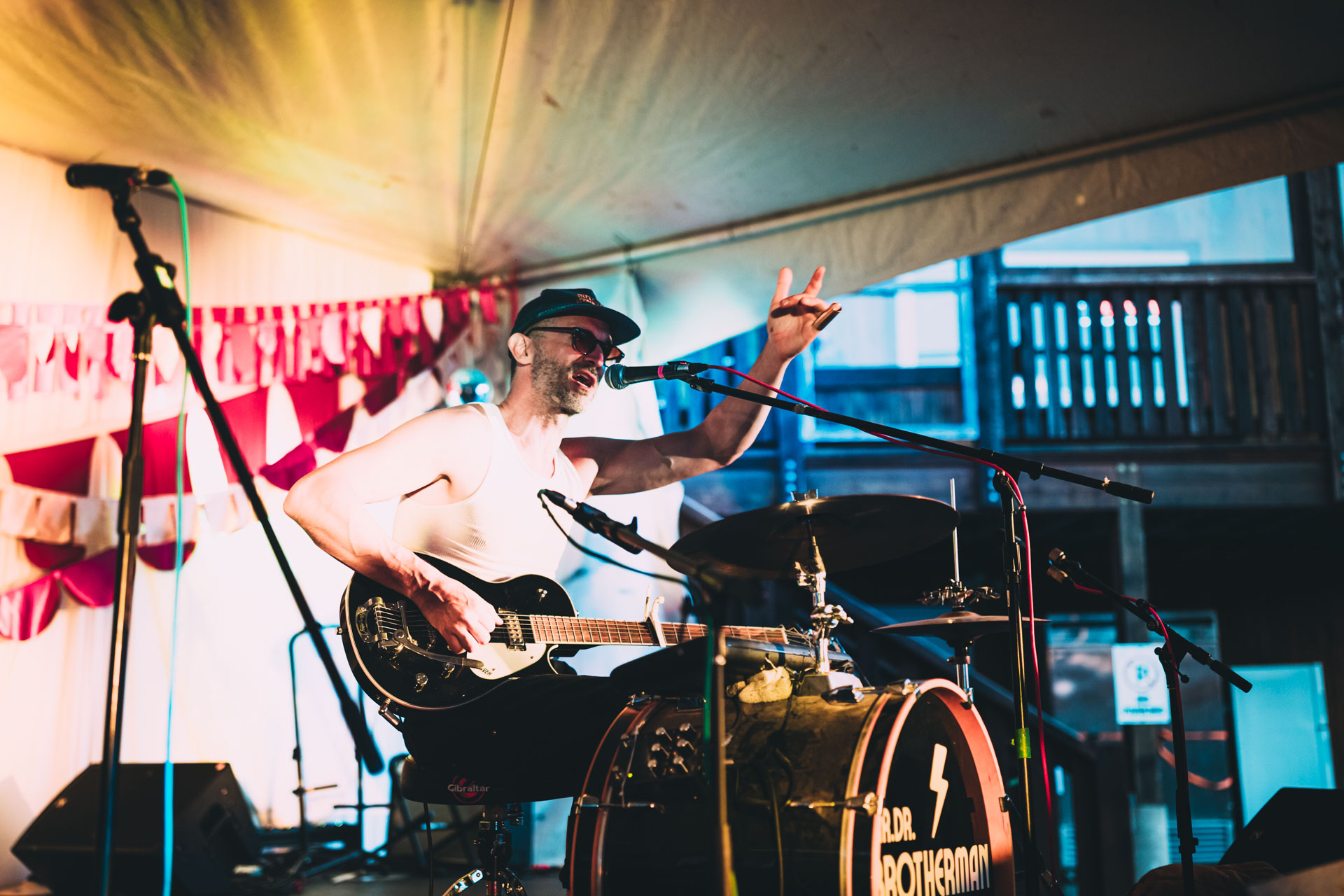
When Mr.Dr.Brotherman (Nelson, BC) takes the stage, the local space-time continuum breaks free from the laws of the universe. Physics gives way to the metaphysics of lush psychedelia, and the gravitational pull of the performance outweighs that of the celestial bodies themselves.
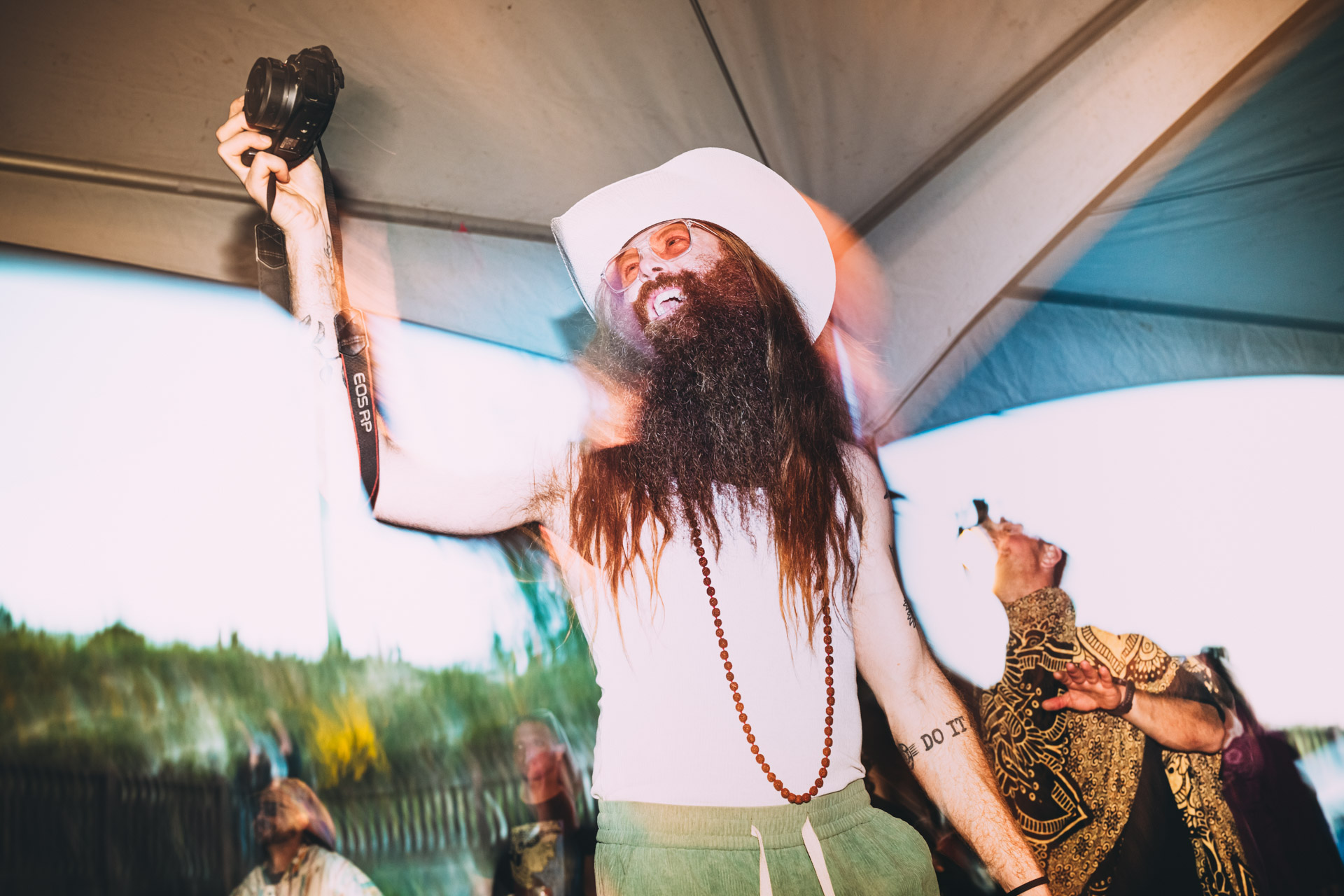
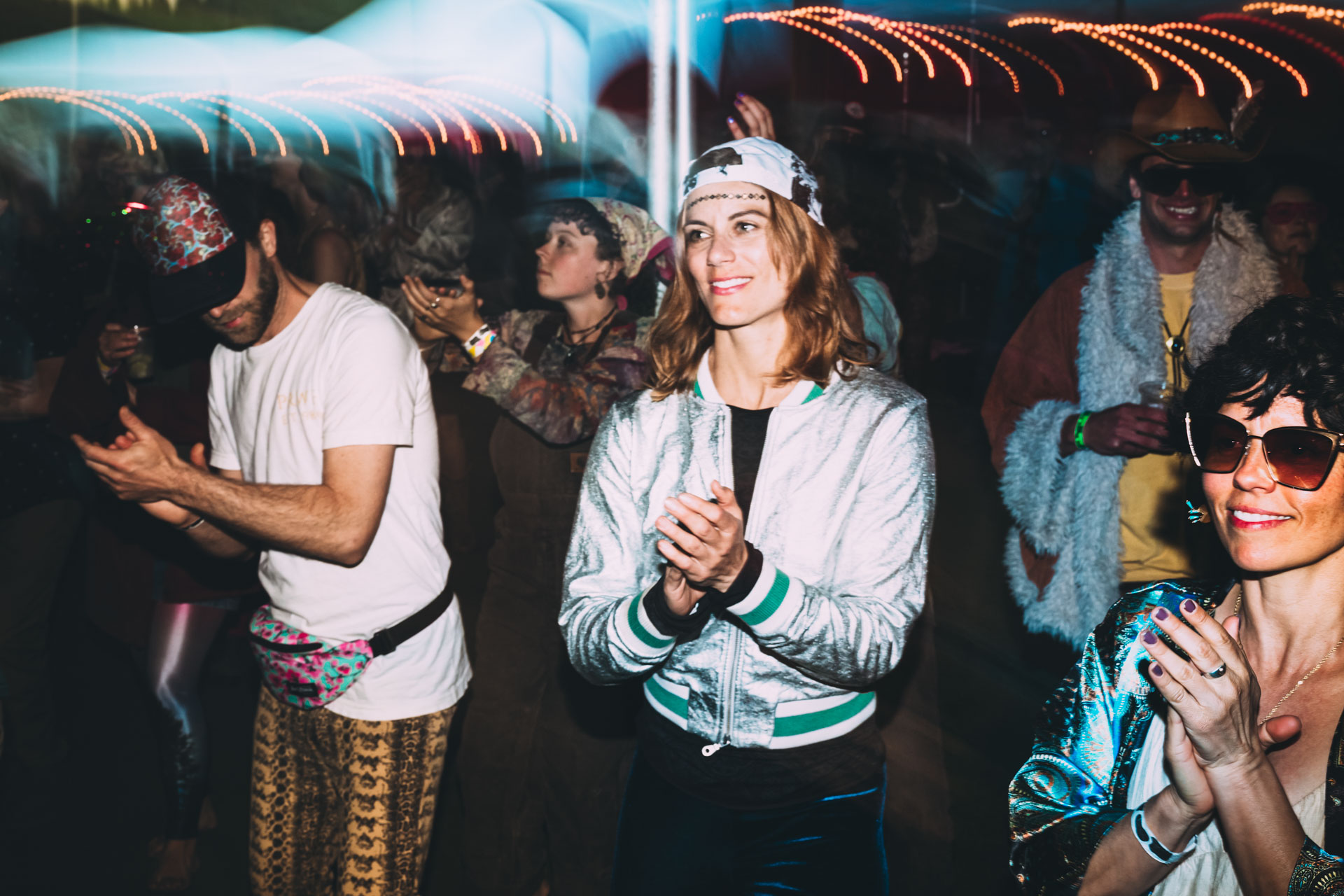
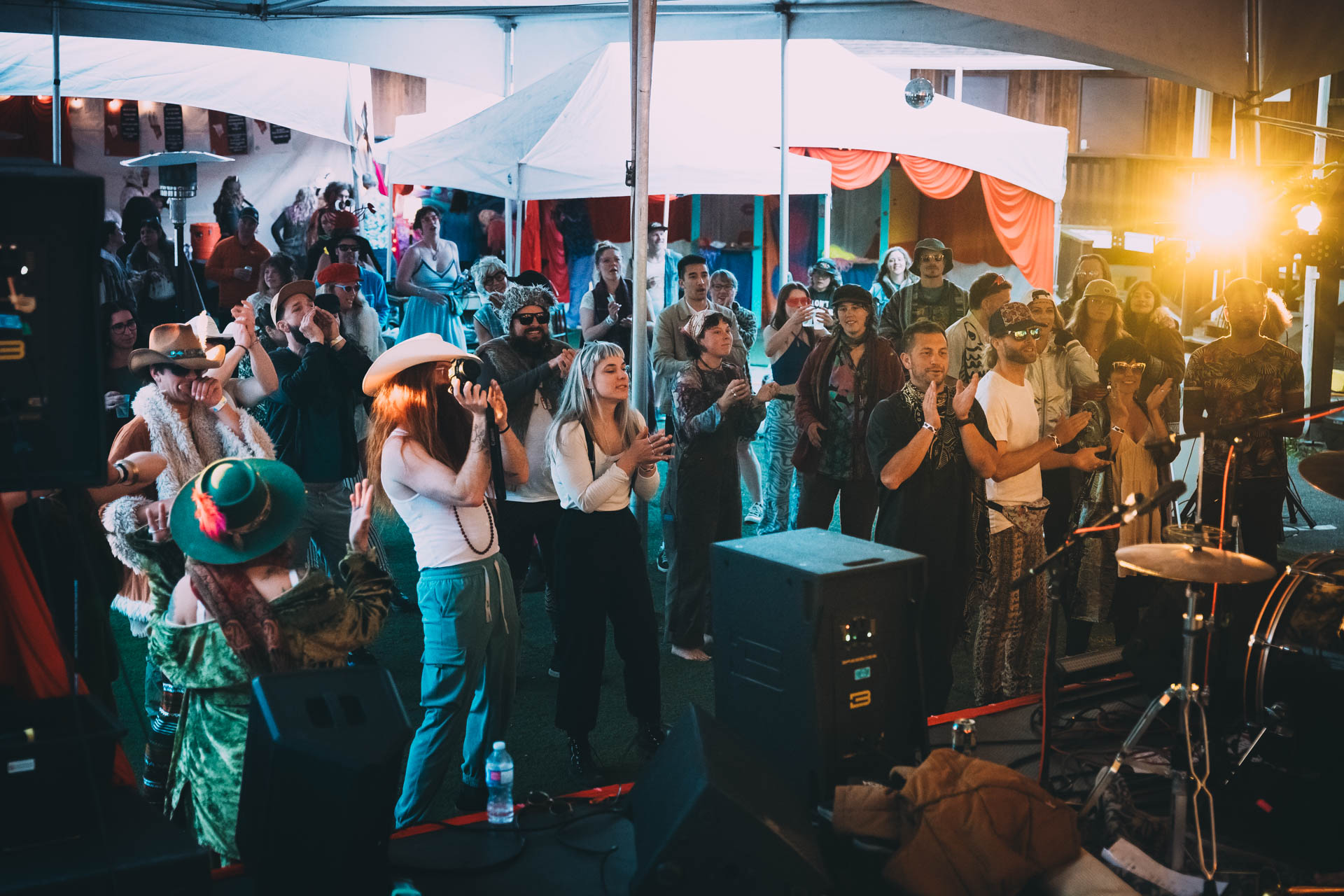
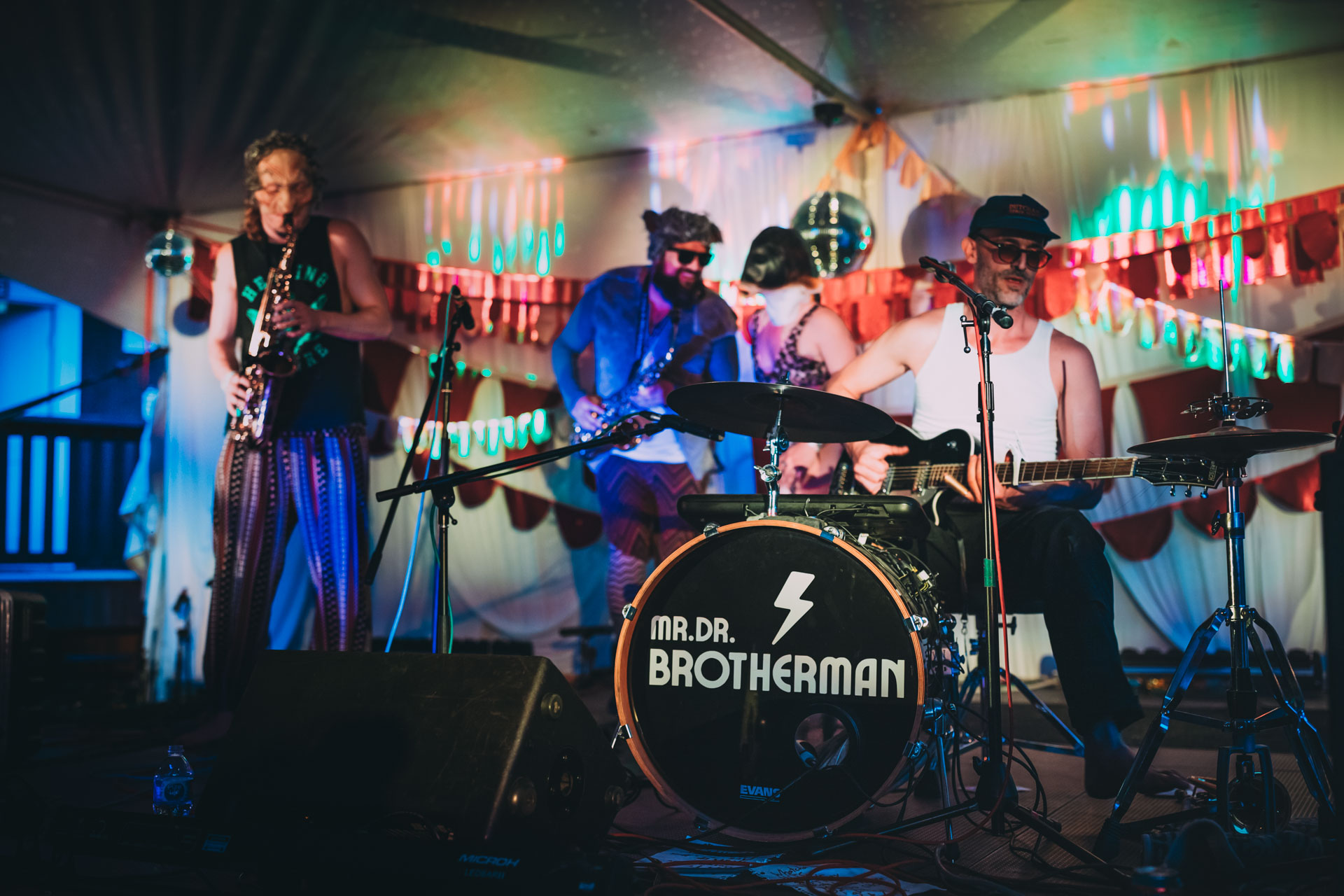
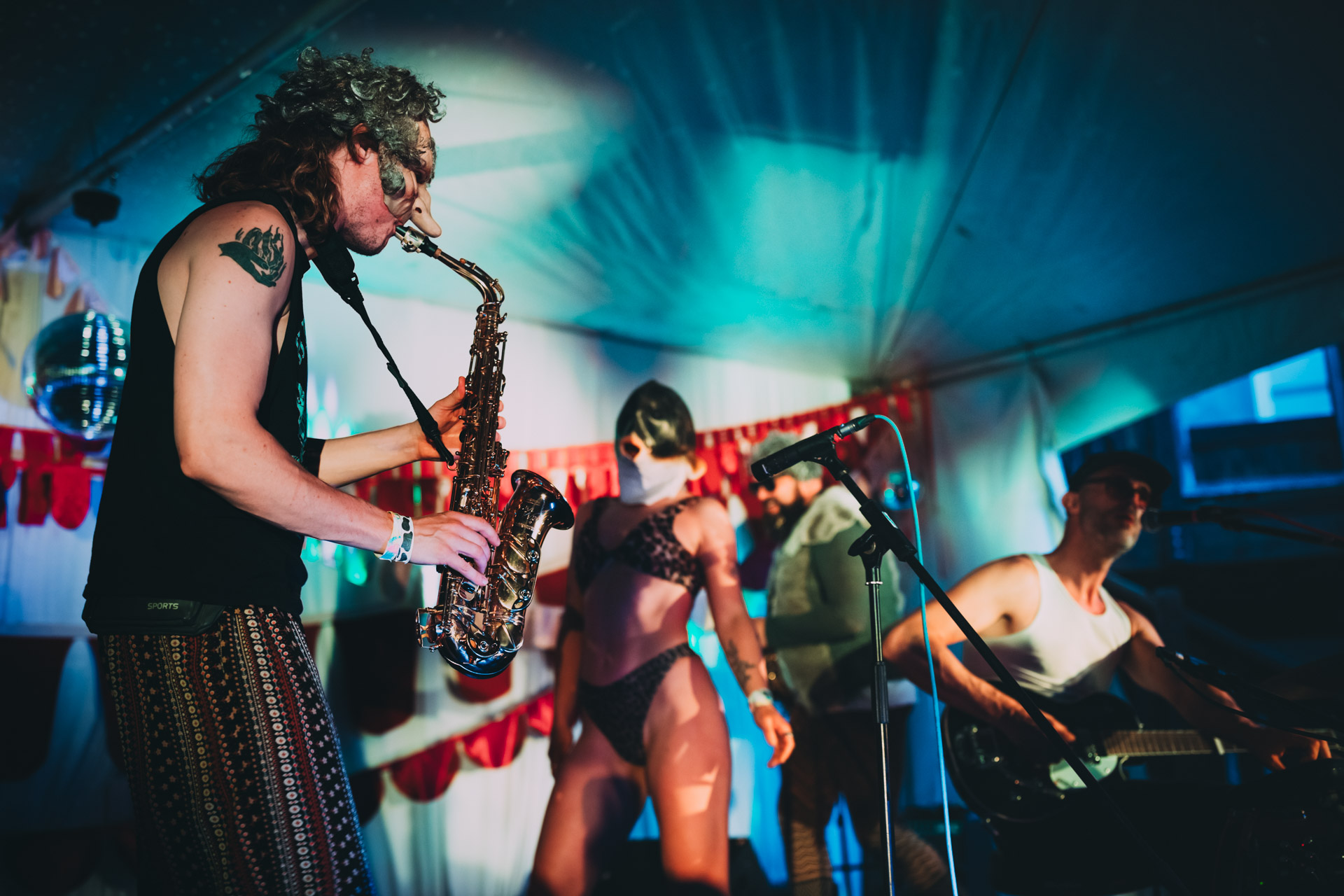
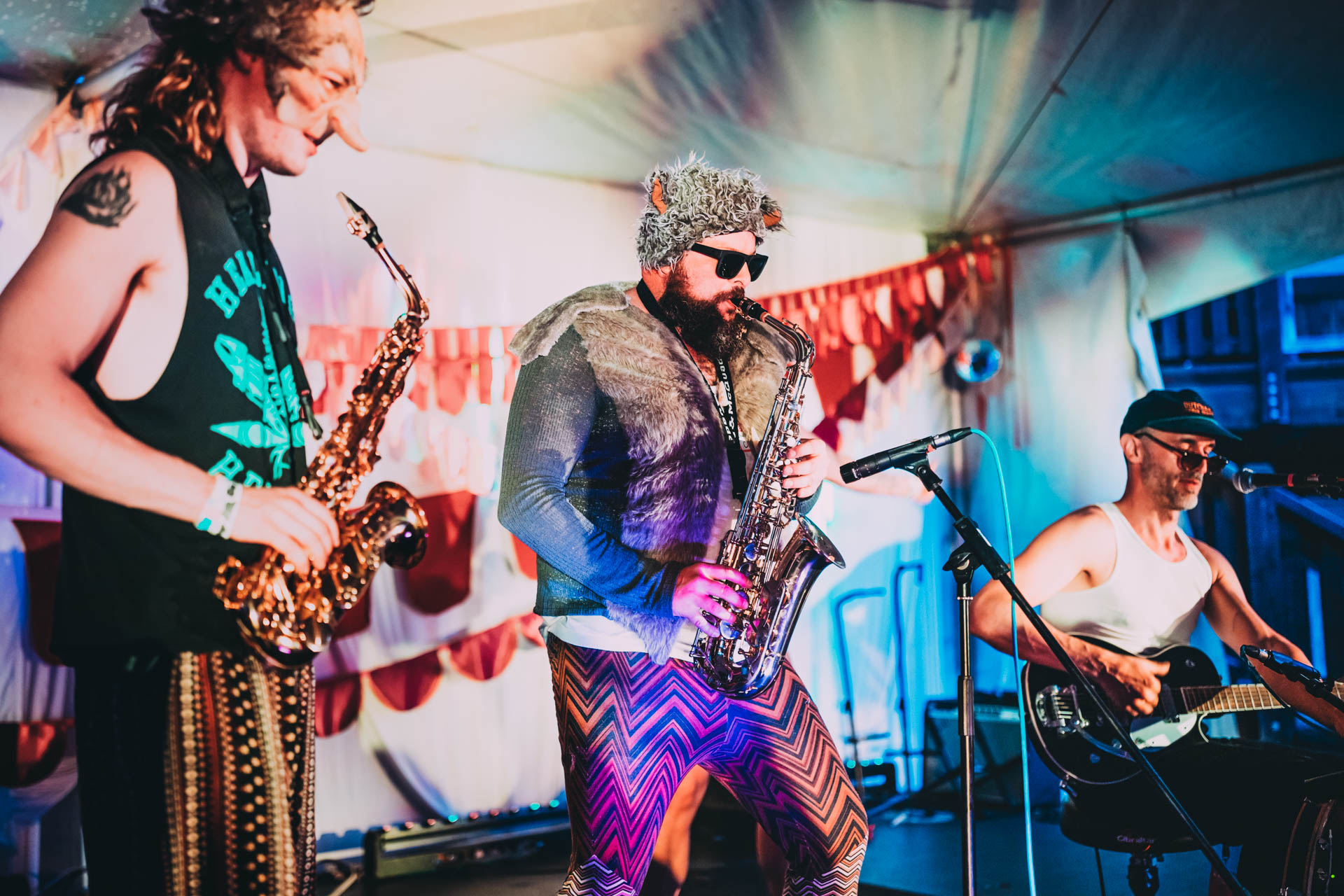
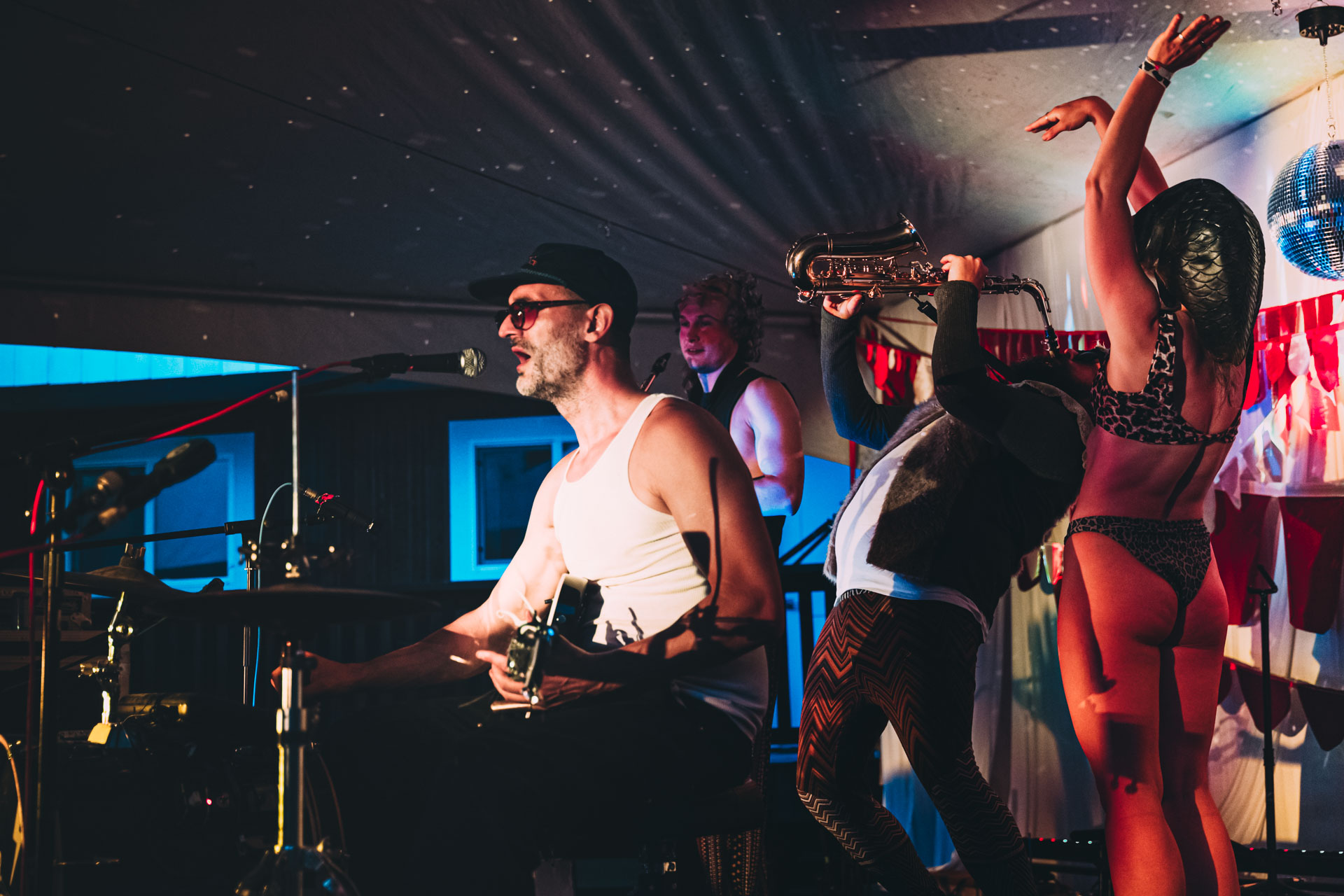
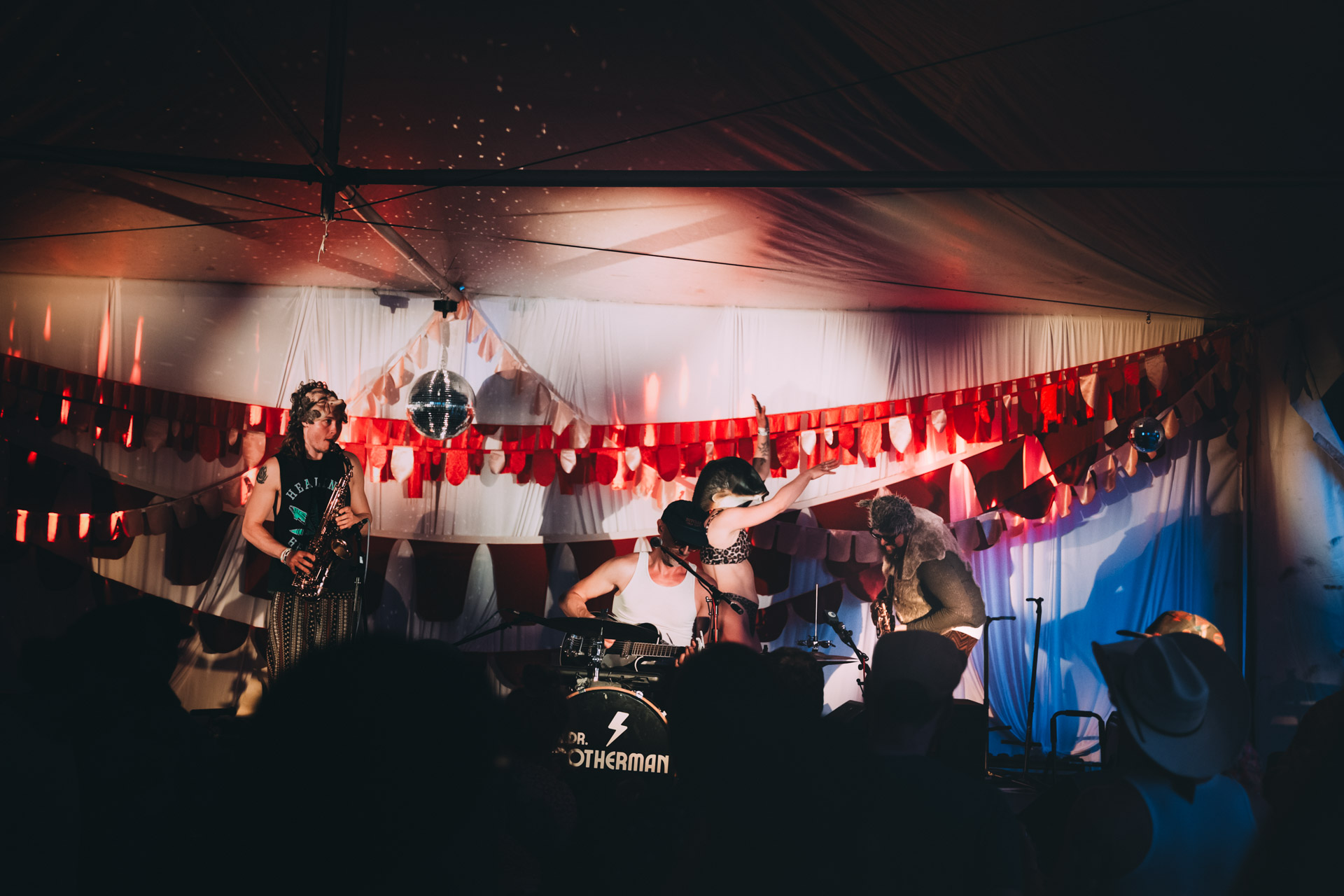
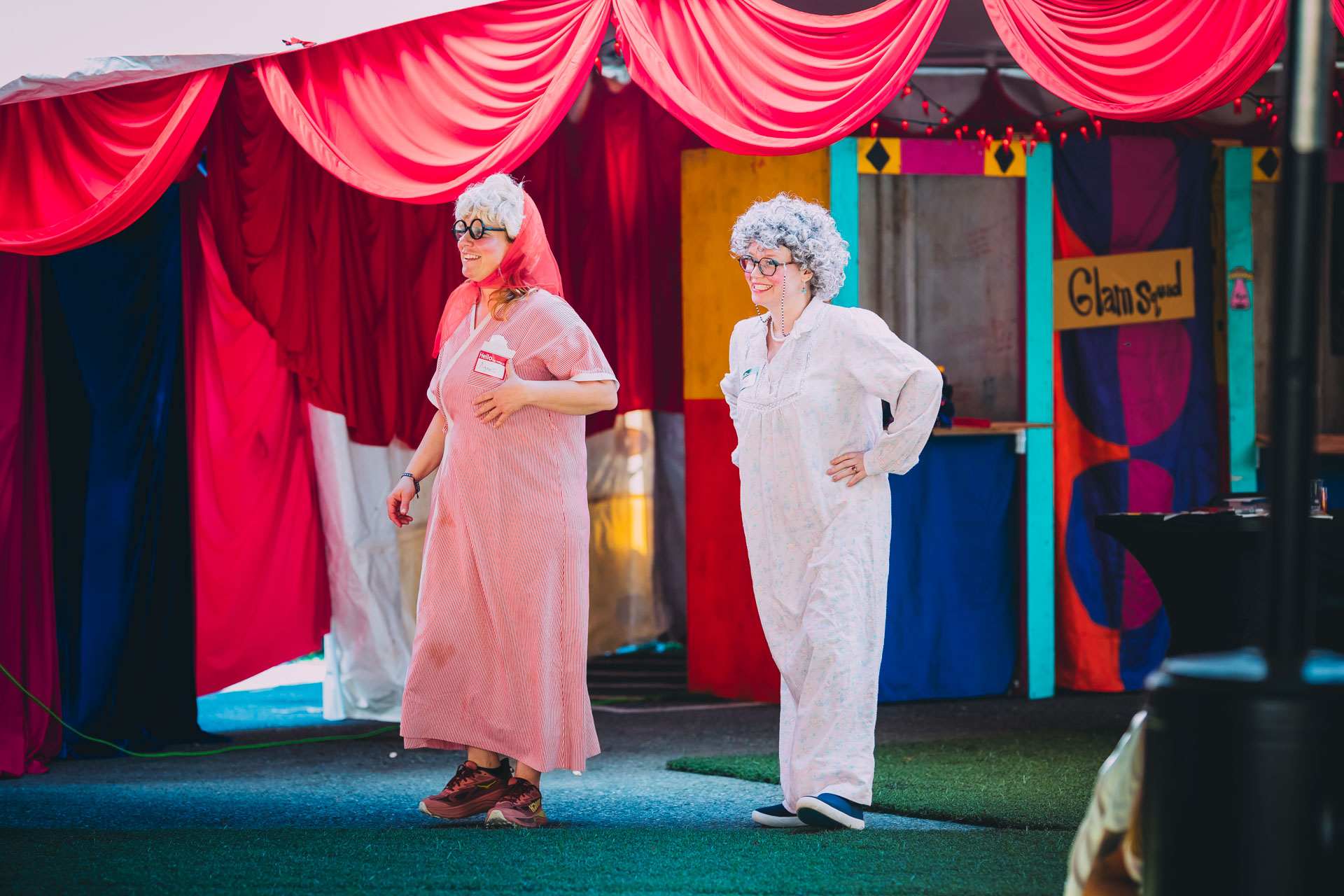
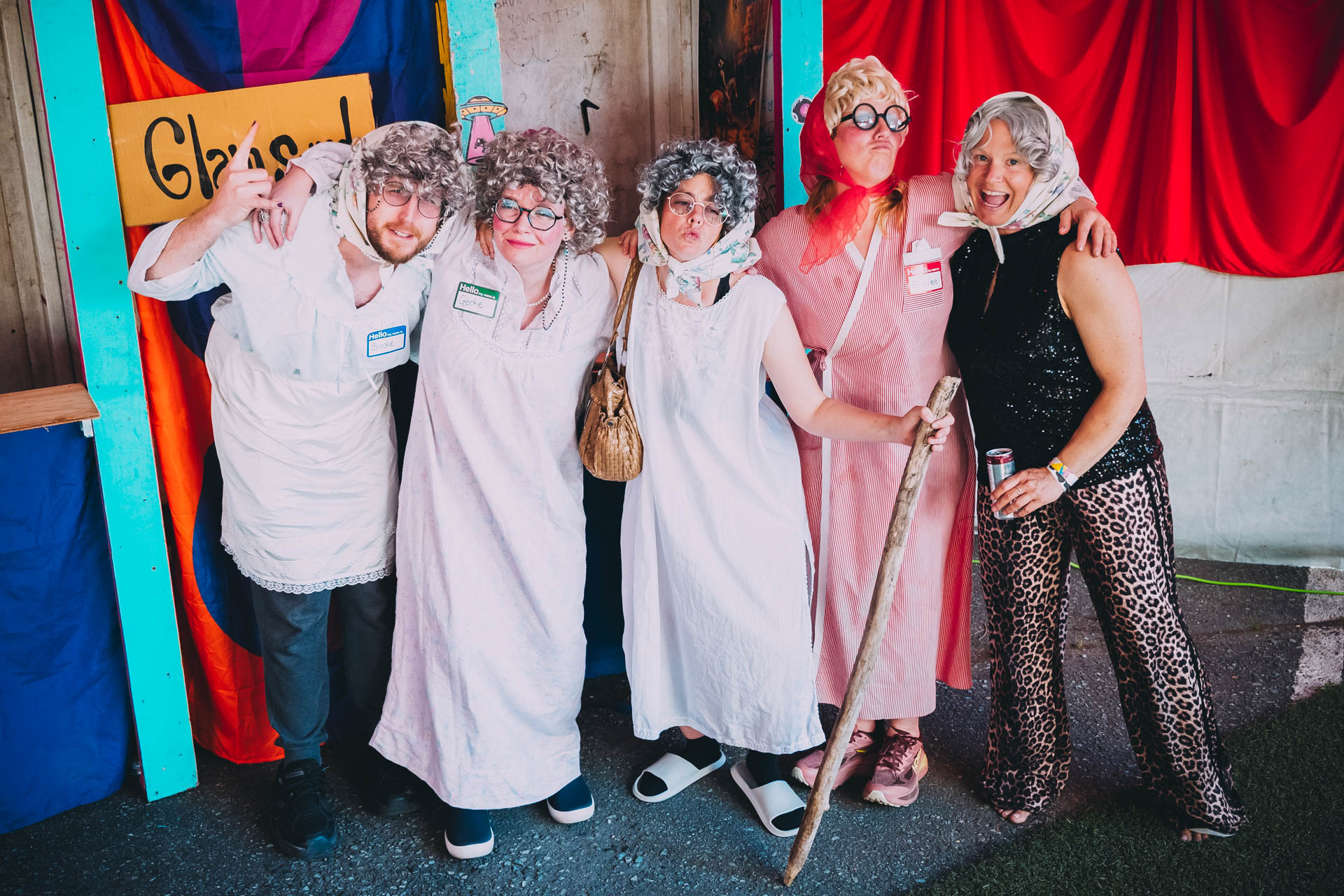
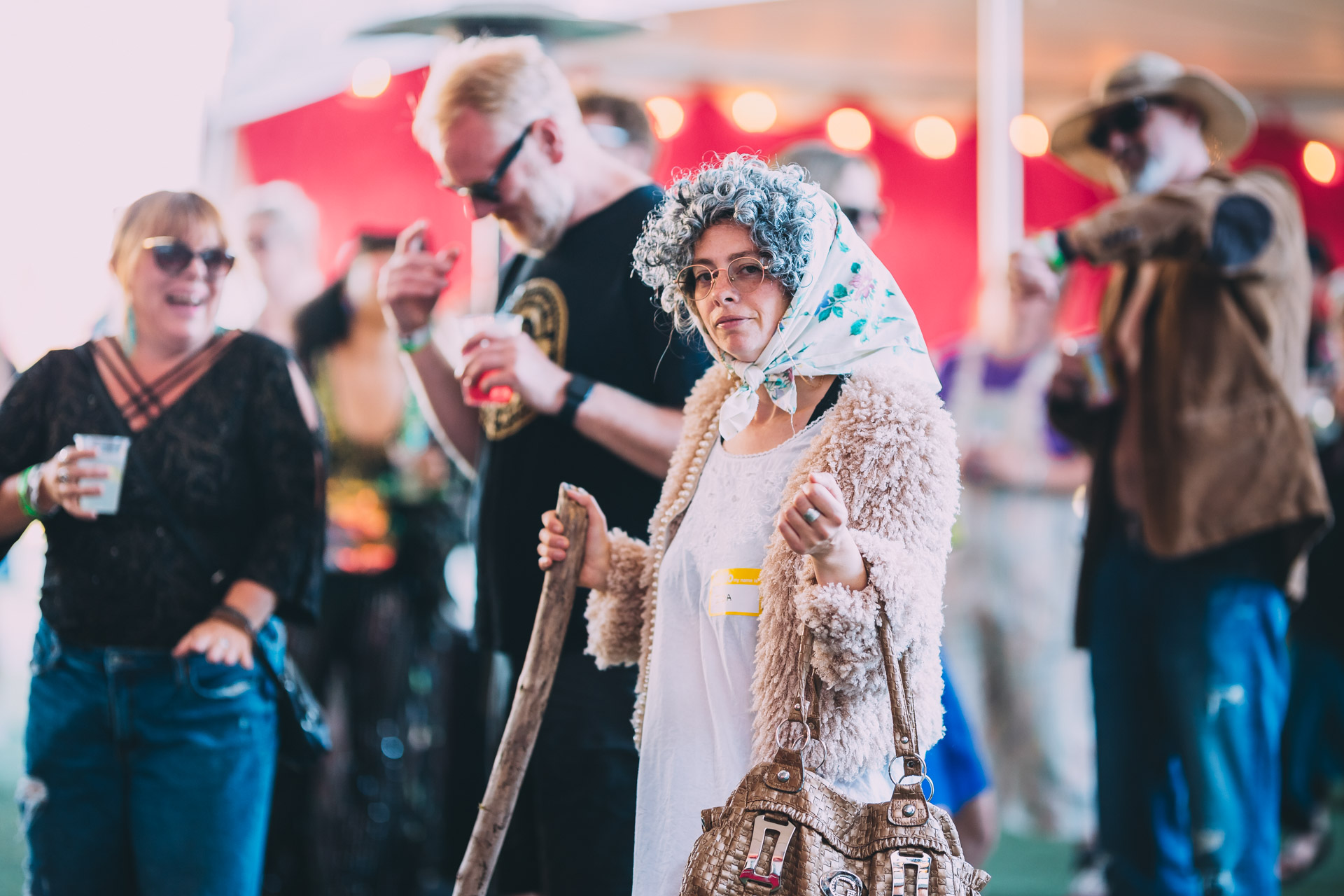
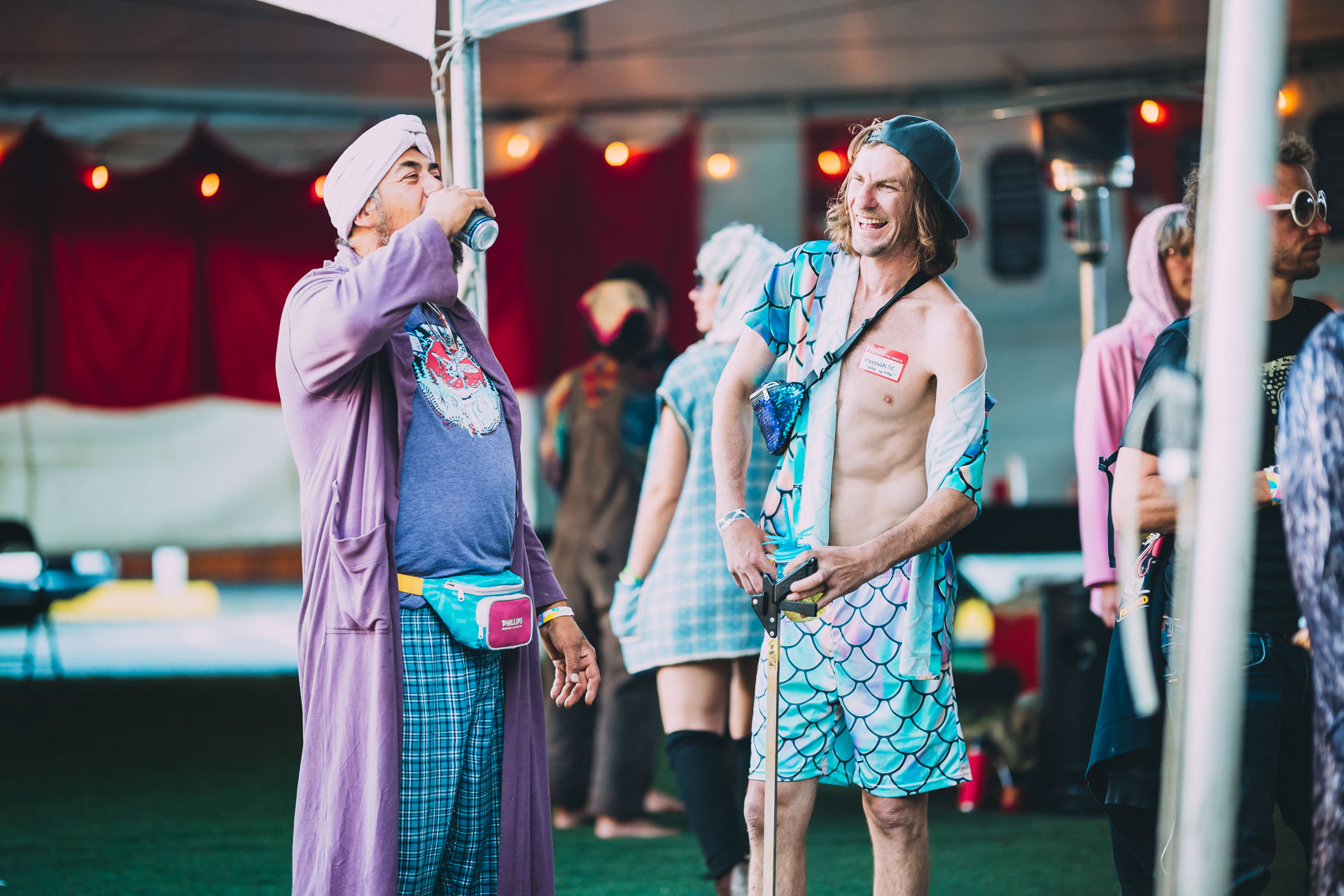
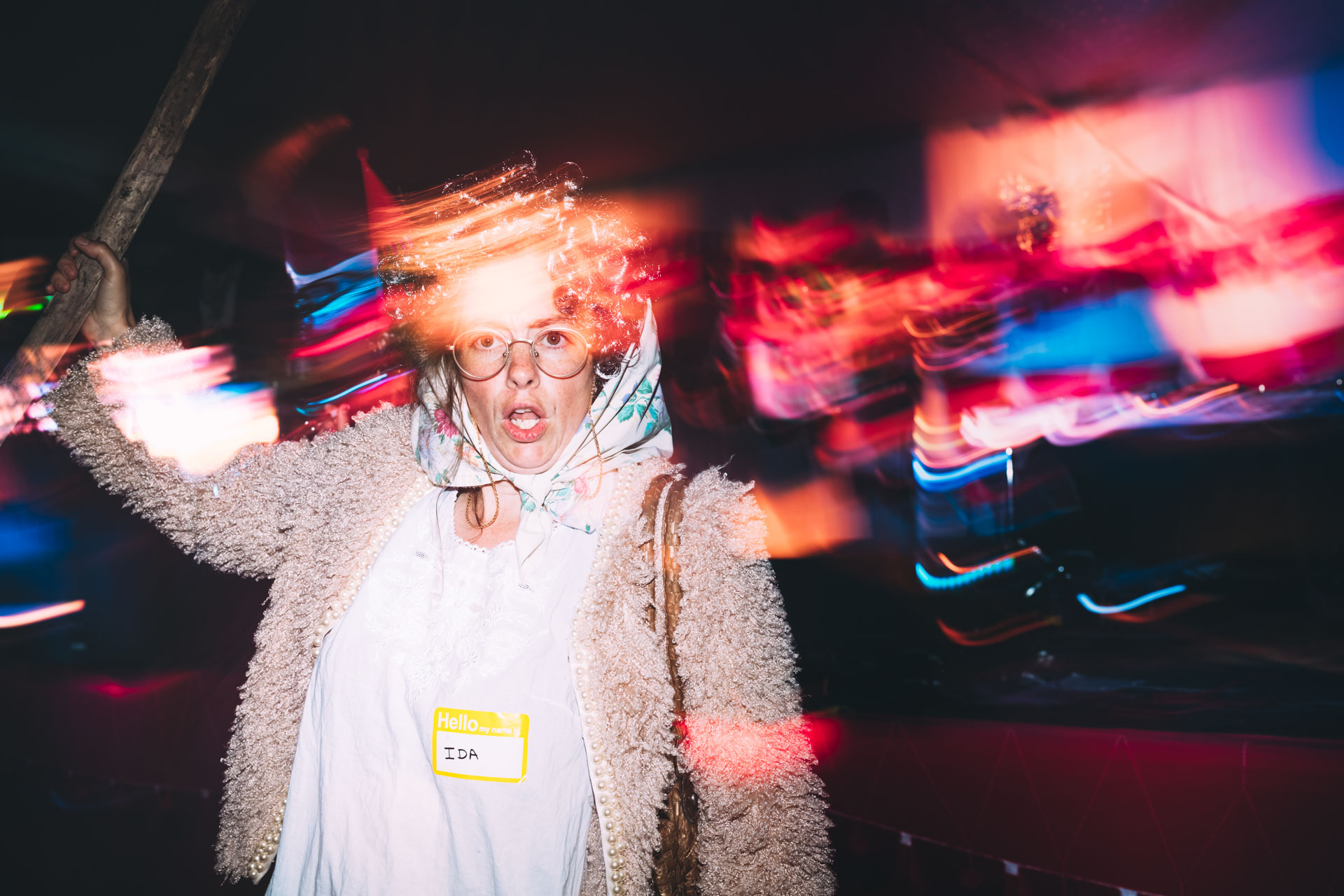
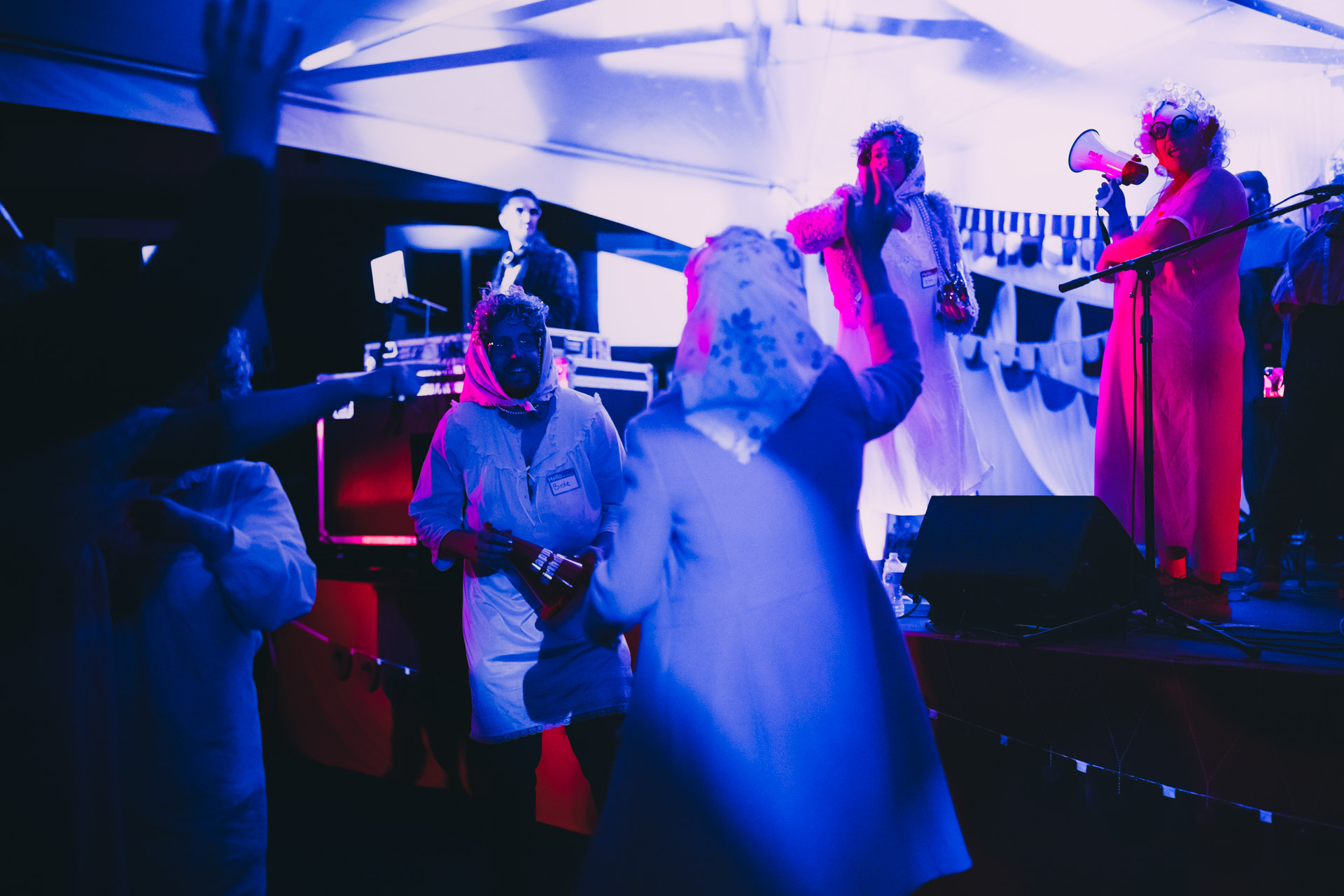
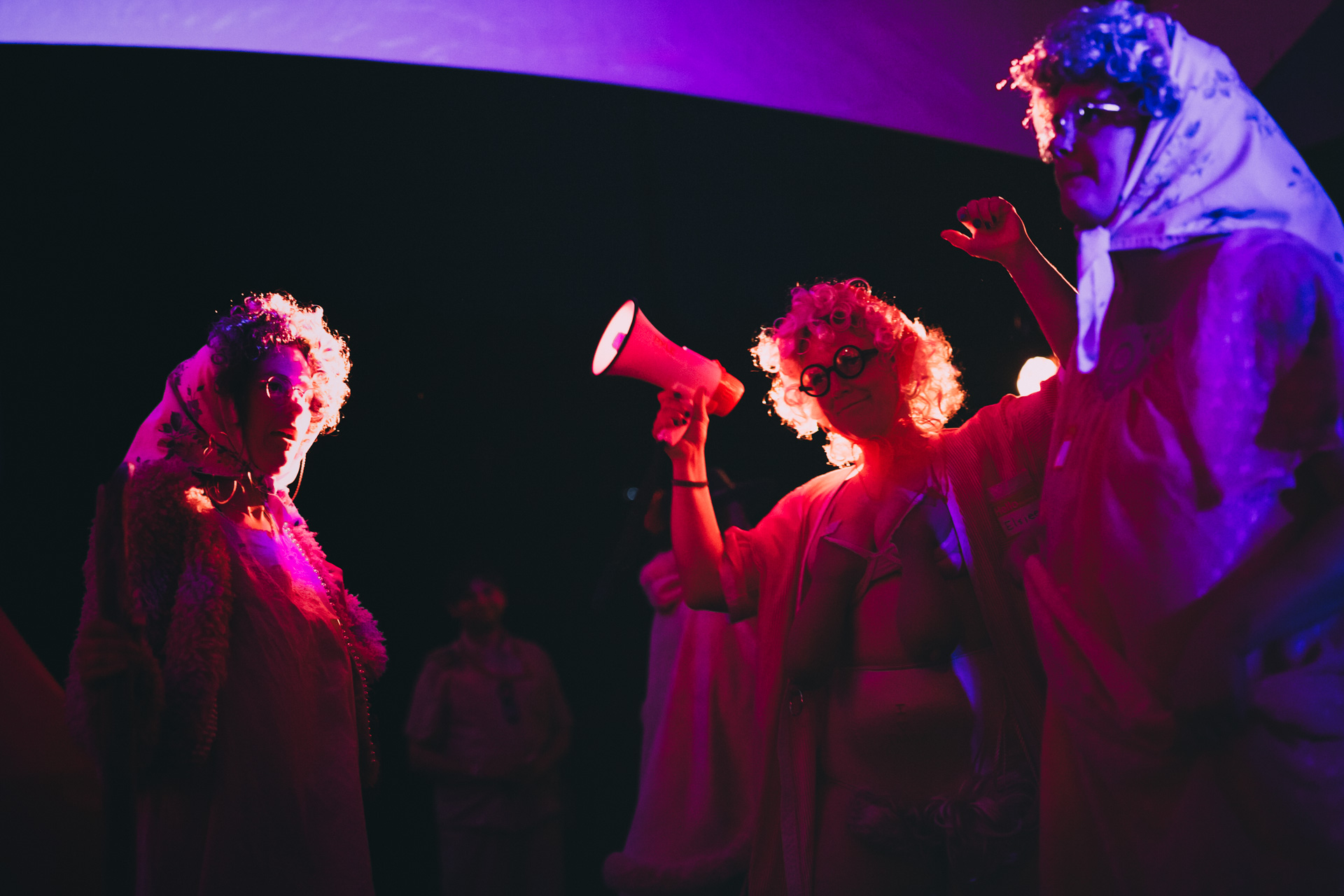
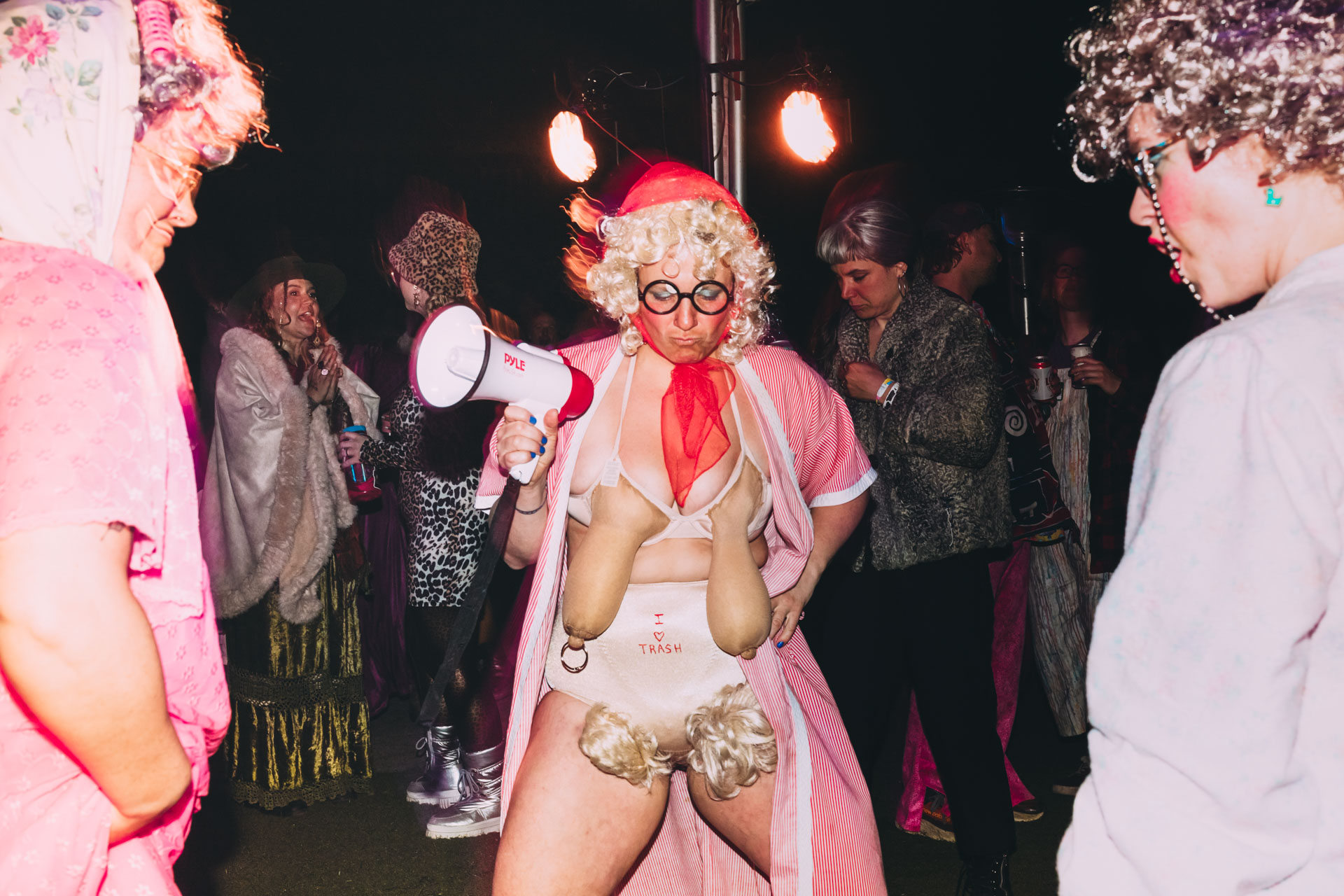
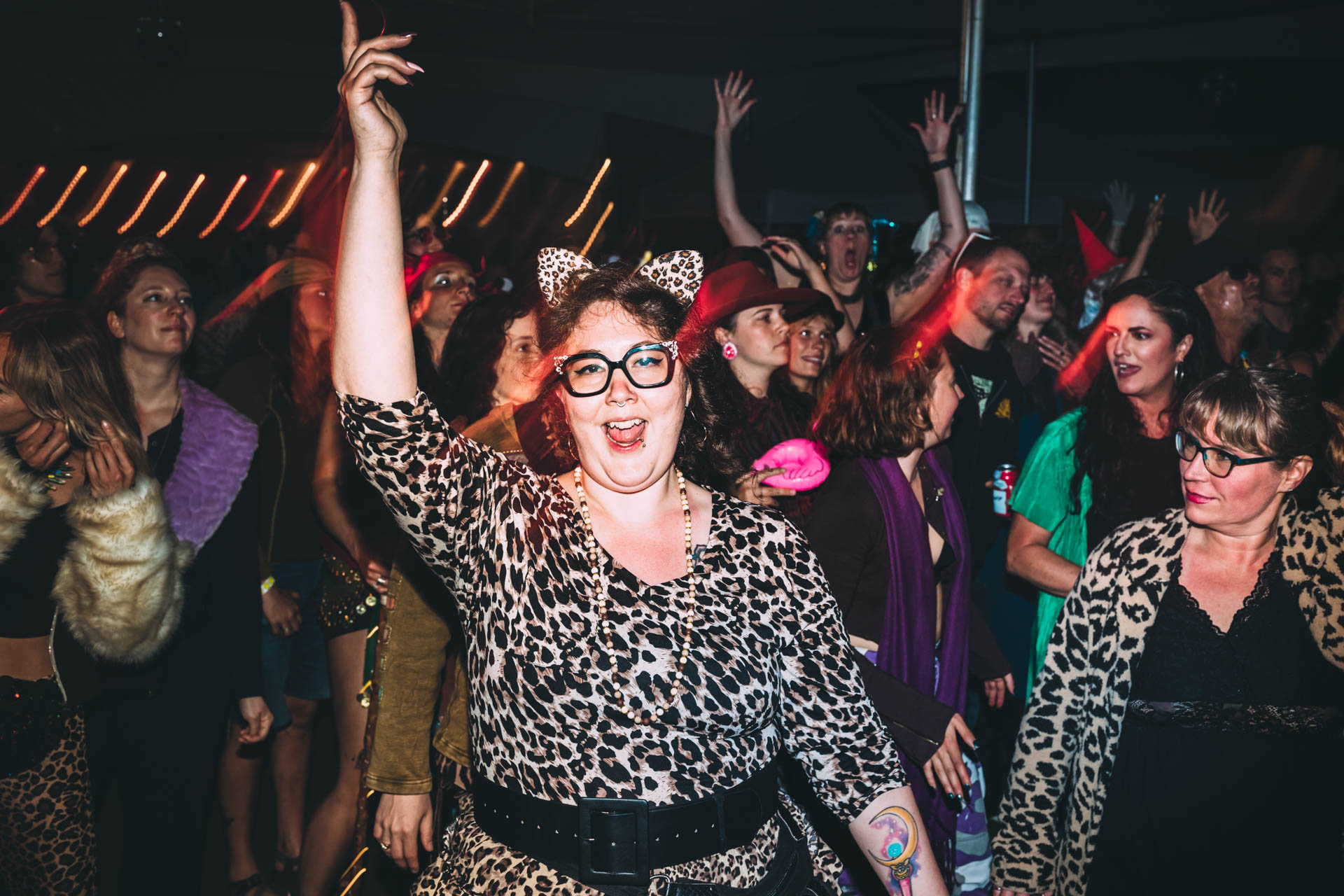
In the breaks between sets, local performers in long nightgowns steal the show — participants of the "Granny Pantie Walk" have been fueling the crowd with incredible positivity throughout the event, and when their moment finally explodes, a wave of ecstasy catches the audience instantly.
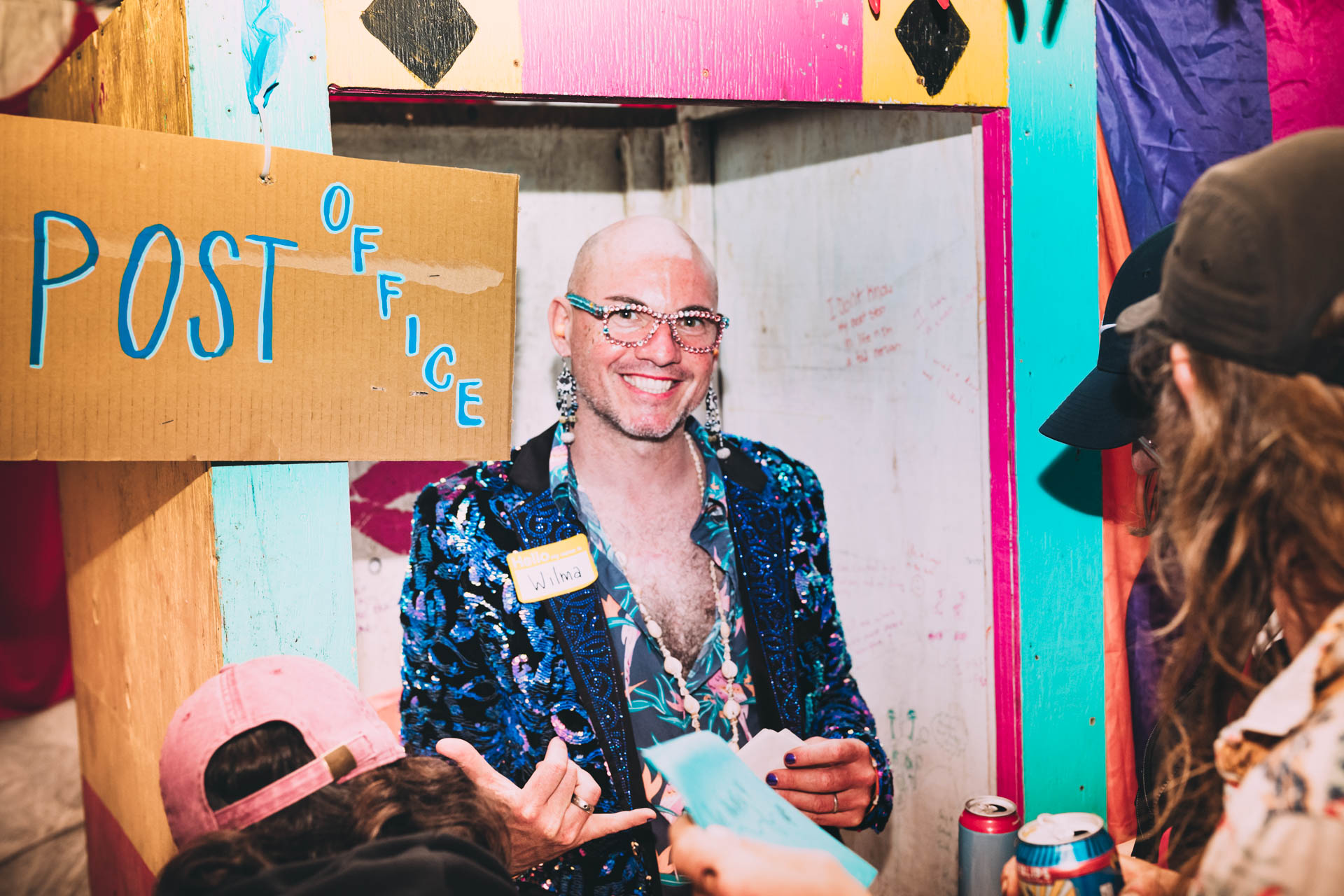
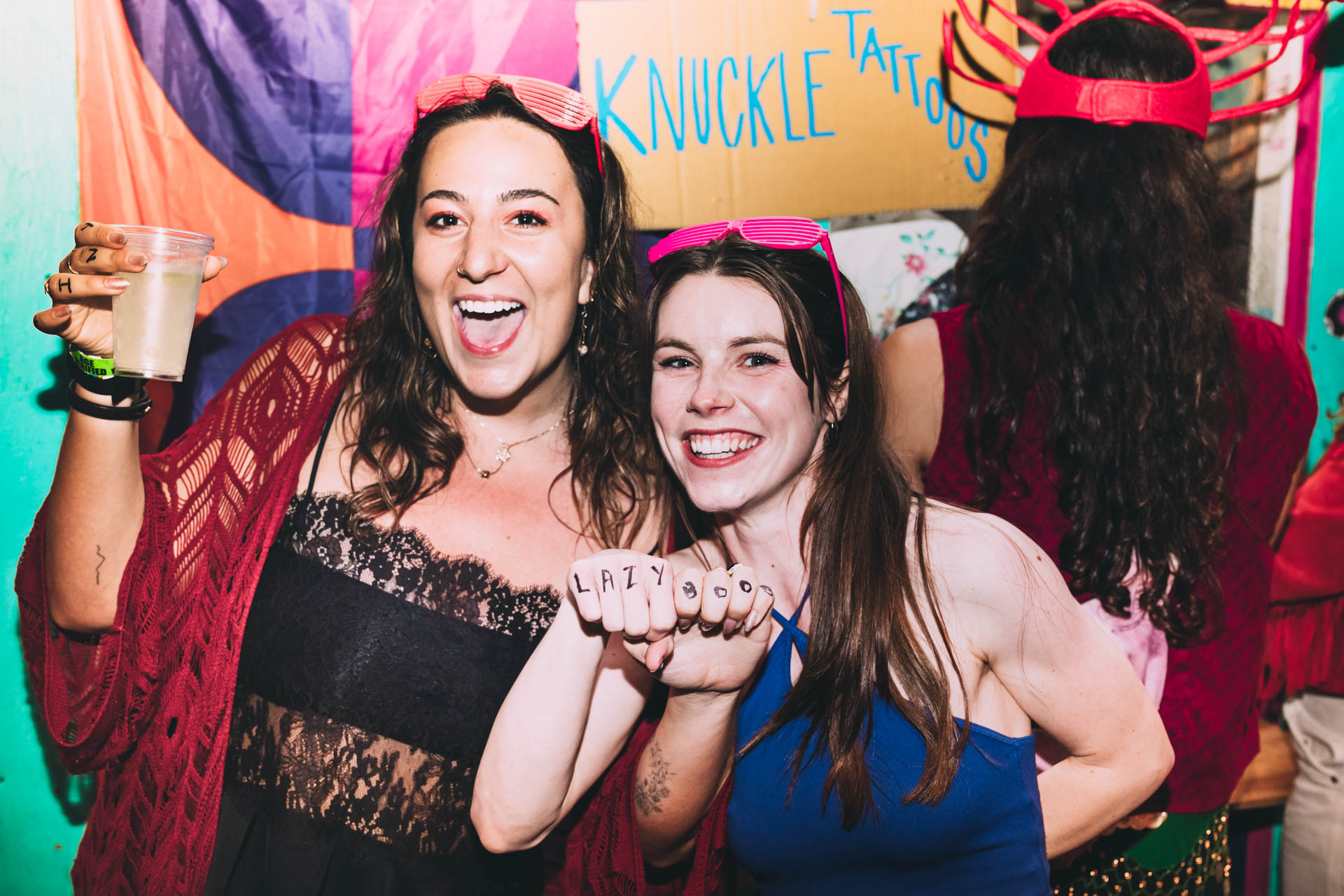
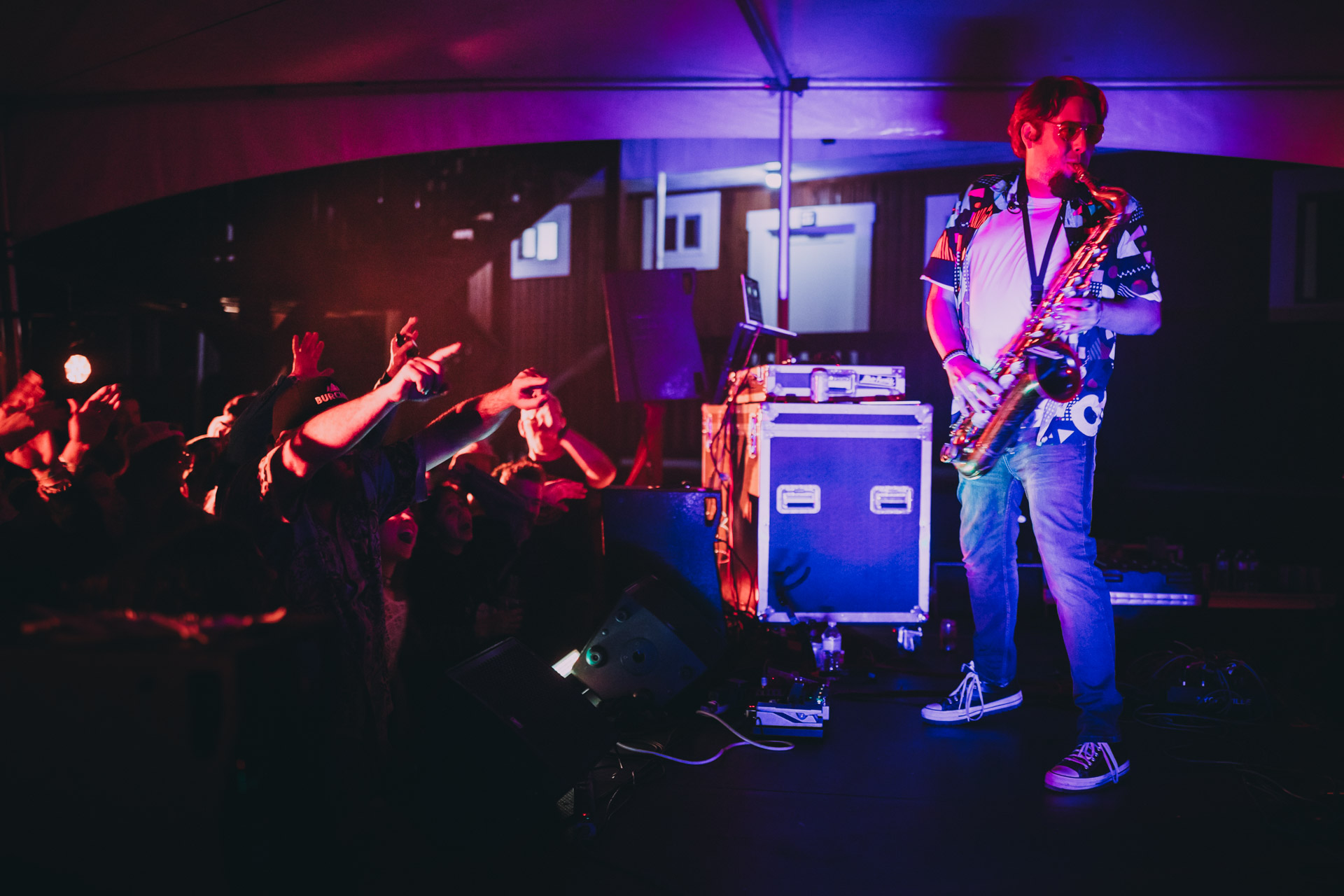
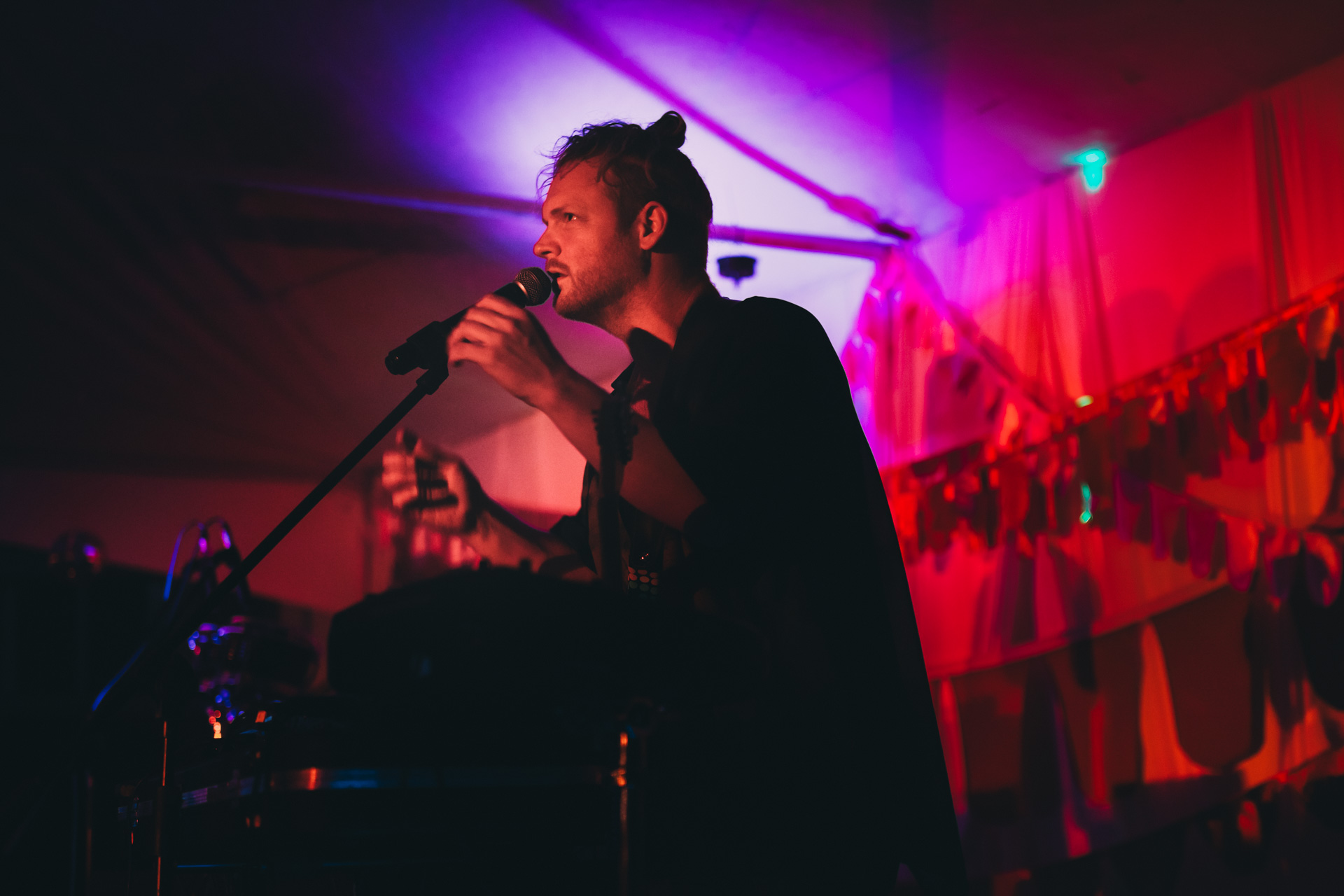
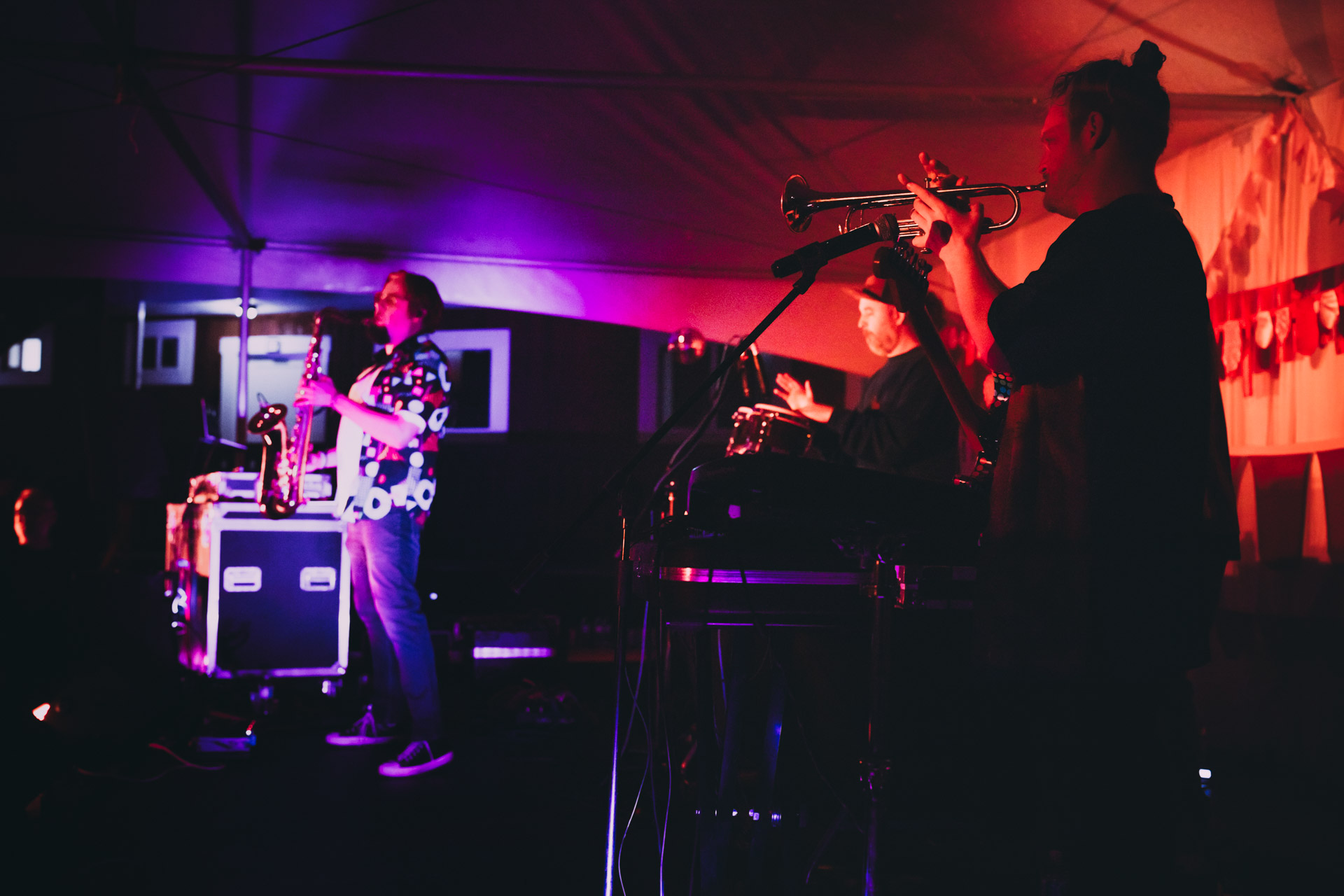
Lazy Syrup Orchestra (Vancouver, BC) is the main course. Their drive is all-consuming — electric, acoustic, a cappella, full power — sharing a single breath with the audience. Nothing can contain the energy of their music.
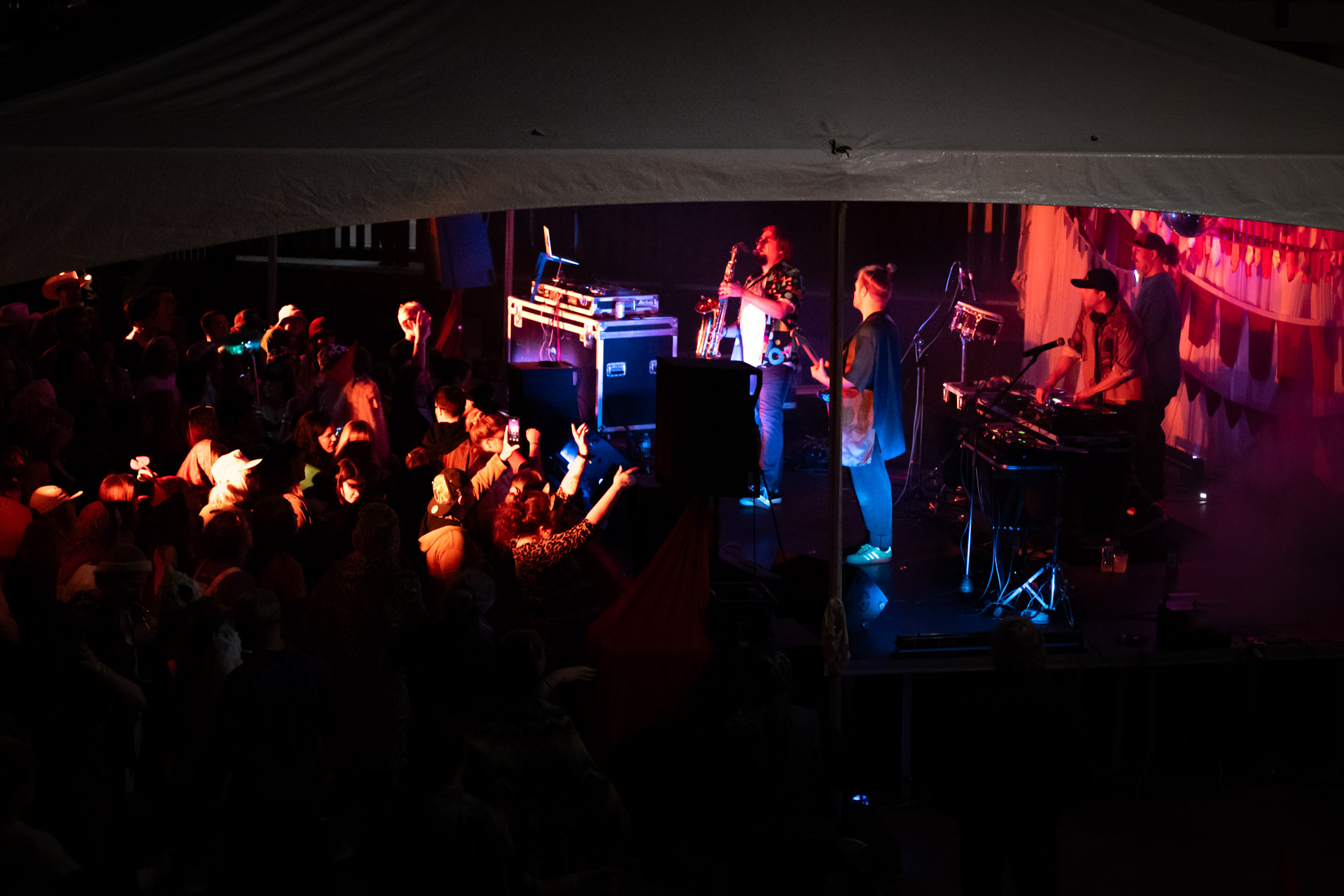
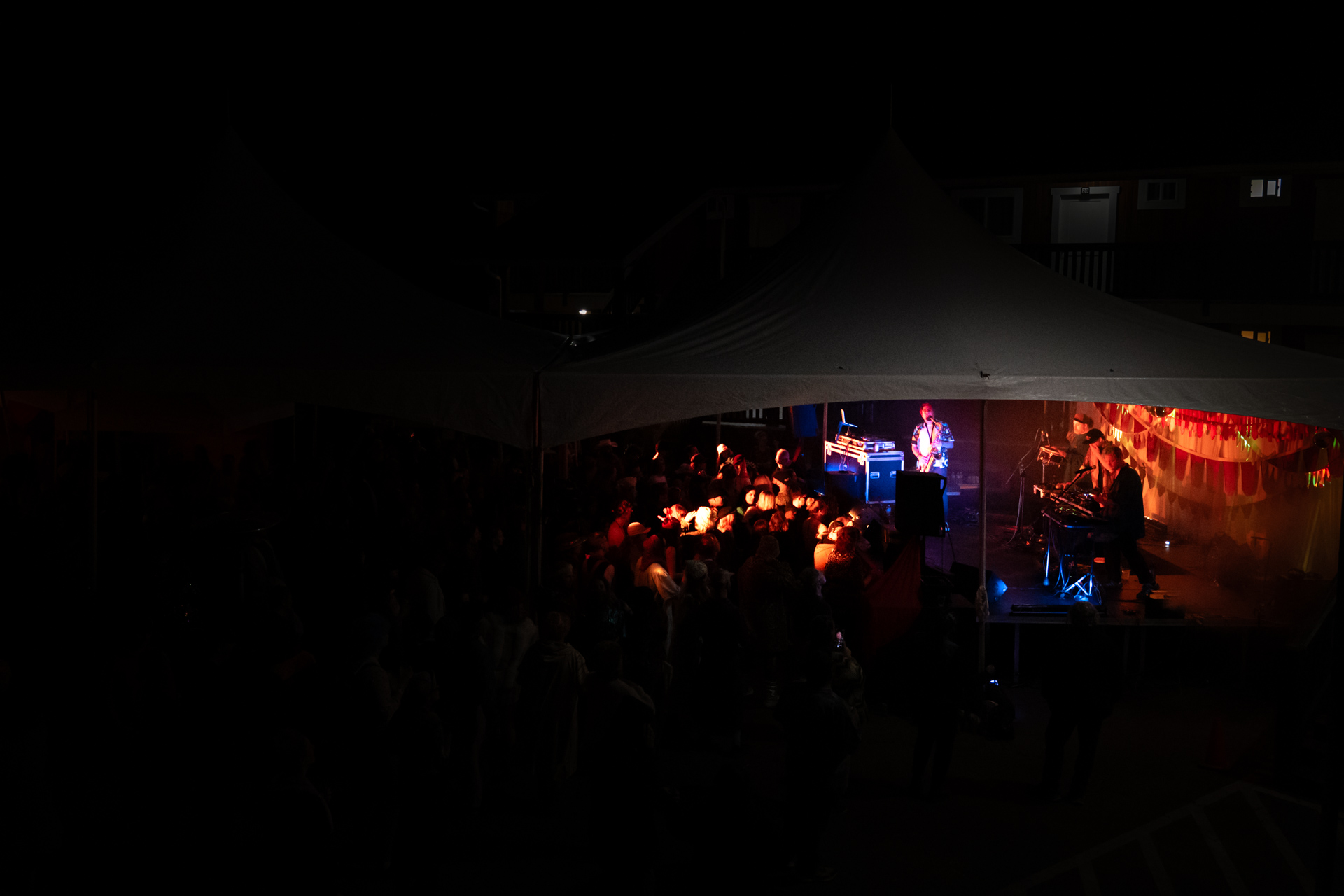
Anyone who thought the end of the main stage concert meant the end of the party was mistaken. Ahead lies the most sacred mystery of the festival!
We return to Pachena Bay. Some guests have been here all along — things have been happening on the small campground stage, too.
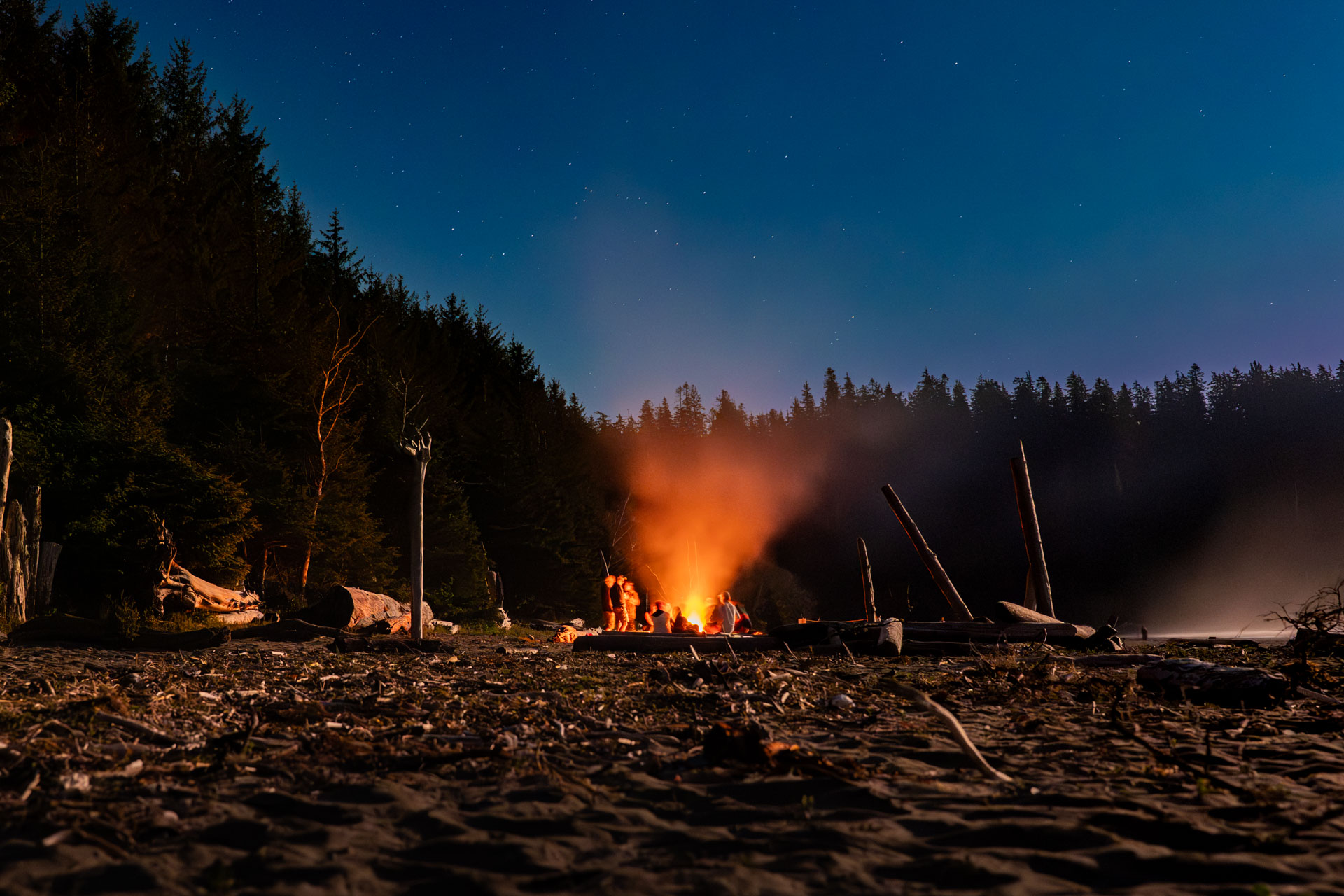
But now, something else draws us in: the emptied evening beach reveals a different nature. It is the night of the full moon. It has already risen above the towering ancient forest, but not too high yet — just in time for the moon bridge on the water. A full, perfect moment.
The body accepts a pleasant exhaustion but demands fuel — and here, our heartfelt thanks go to The Dragon Bowl from its final customers of this year's Salty Hearts!
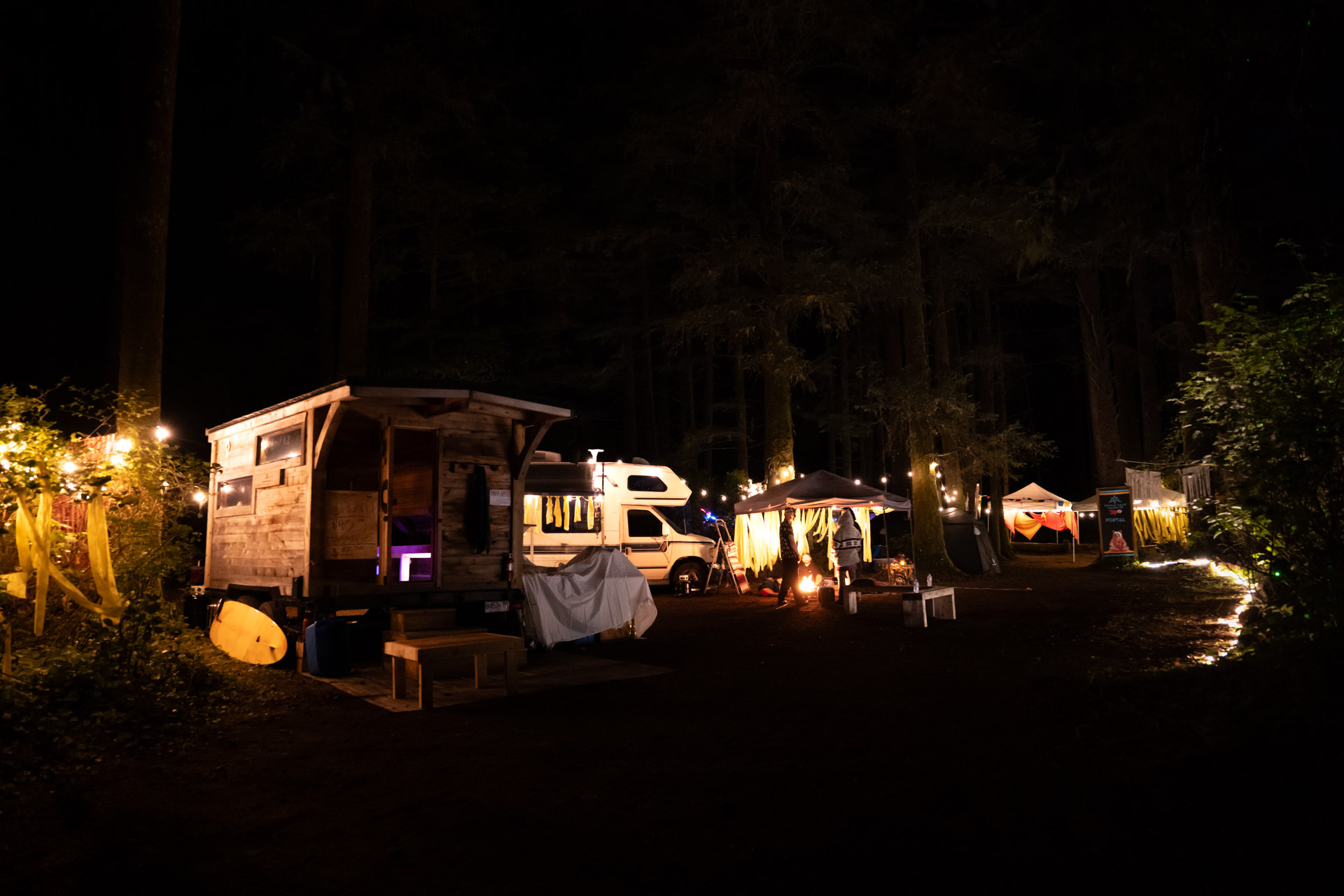
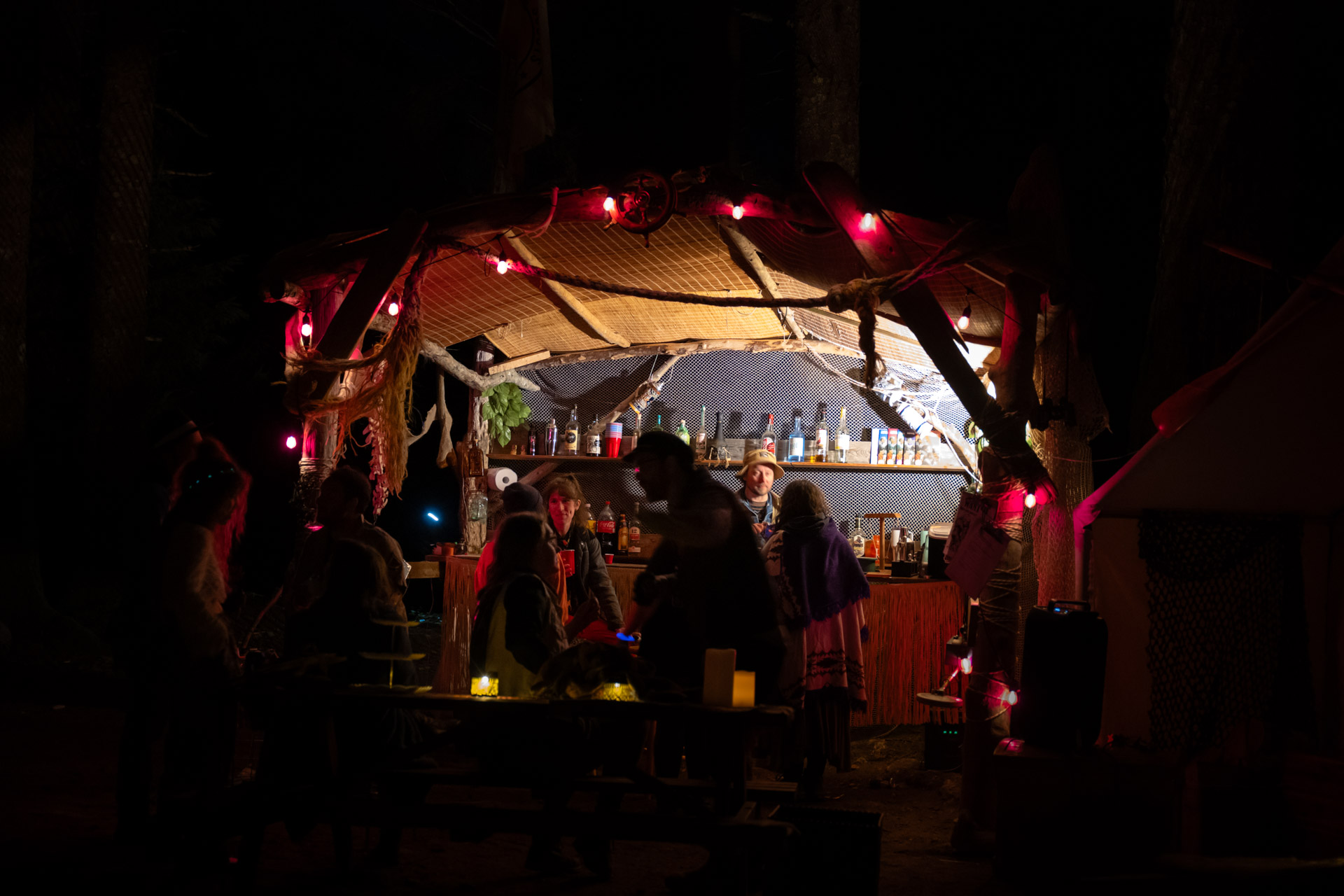
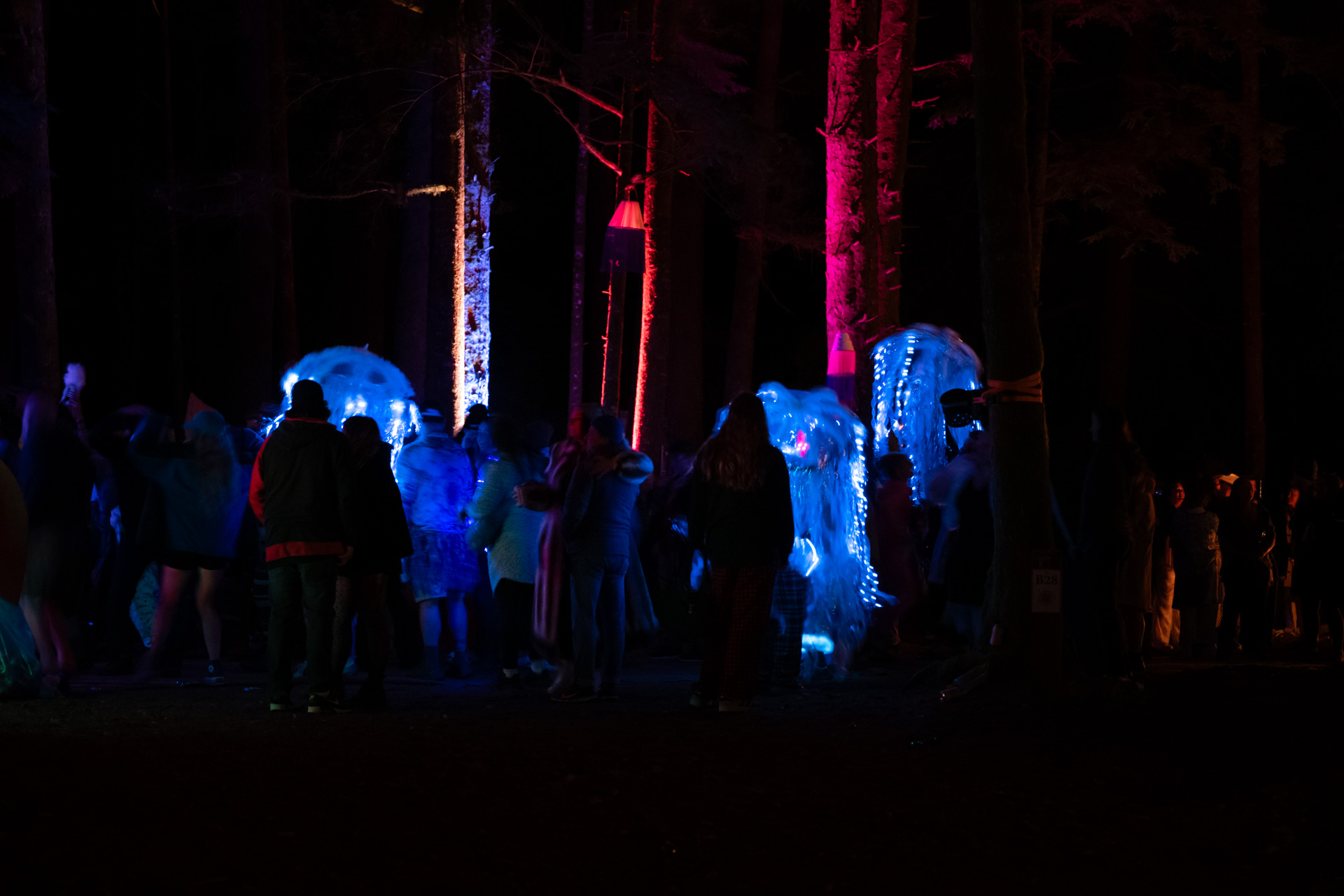
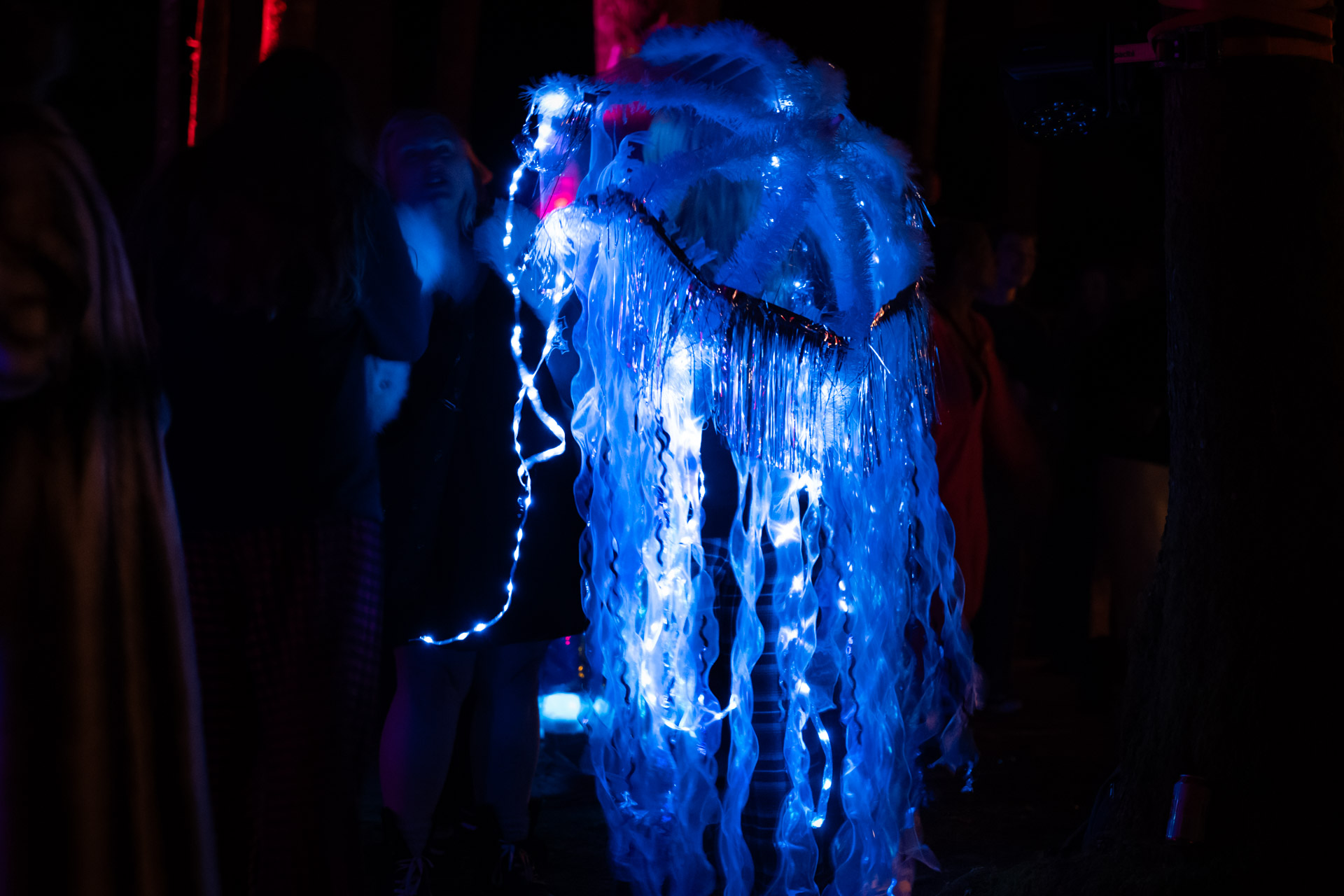
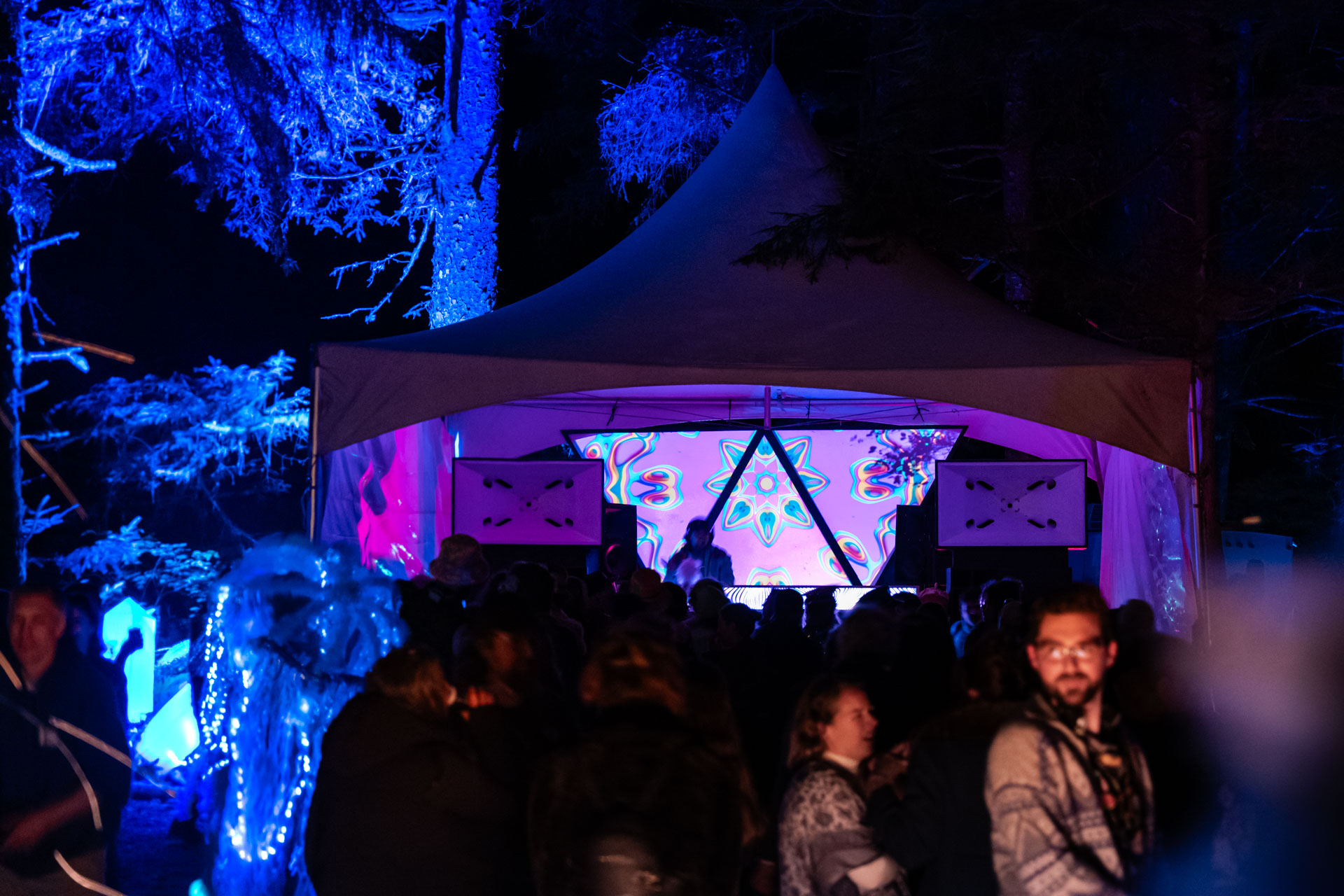
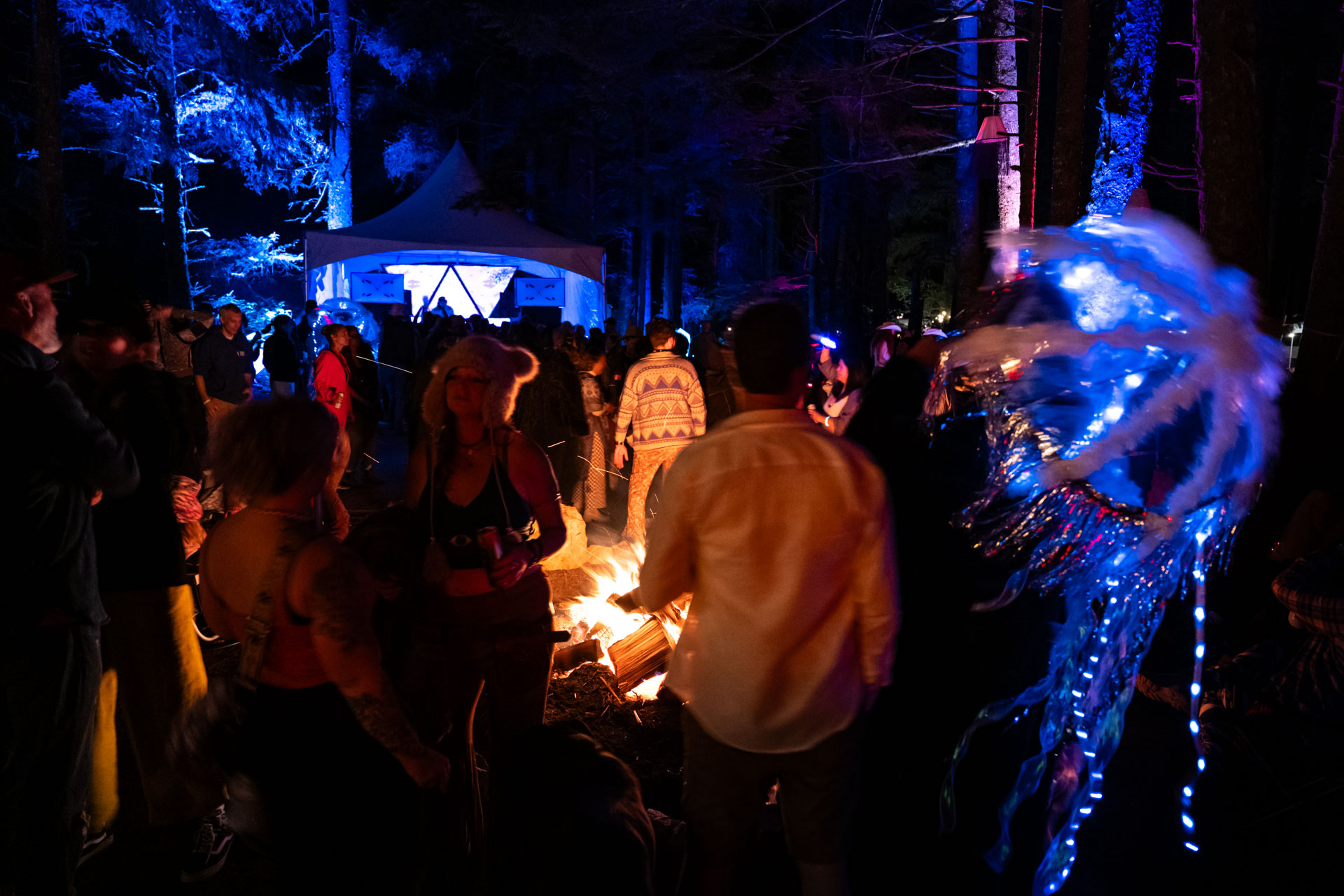
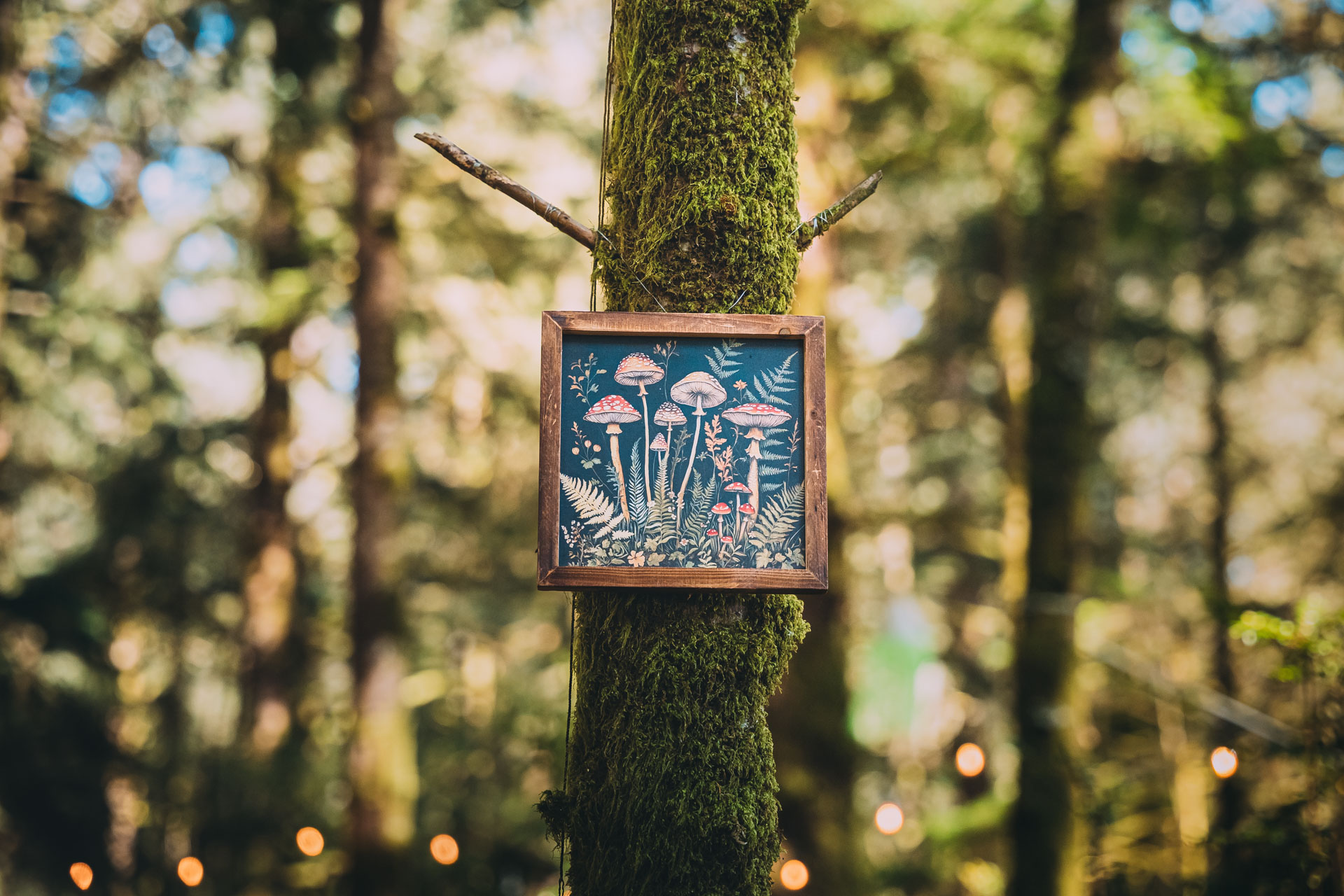
Meanwhile, the afterparty at the campground stage gathers colour; the area, surrounded by art installations, is crowned by a bonfire. Taking advantage of the dusk, mythical creatures from the rainforest, the rocky hills, and the greatest of oceans mask themselves among the festivalgoers. Twice a year they emerge to play among humans: in the spring for the Salty Hearts Festival (right now) and in mid-summer for the Pachena Bay Music Festival.
Morning is inevitable. It is beautiful, but it marks the end of the festival. Final congratulations to Pachena Bay Beach! Our greetings to the Sun as it rises to illuminate this world and this wonderful place on the lands of the Huu-ay-aht. Farewell, Bamfield. I know — and you know — we will return. Peace and love to you all!
One more double… let’s go!


