 Sun. 4th Oct. 2026, 4:00 pm

A shared passion can bring together remarkably different people. Especially when that passion is tea. It is the kind of fascination that does not simply fade away — it draws you in and takes hold. In search of a new tea experience, devoted enthusiasts are willing to travel to the other side of the world: to learn unfamiliar traditions and ceremonies, explore the art of teaware, discover new varieties, uncover little-known stories and master new techniques. They build relationships with farmers in distant countries, deepen their knowledge, and then return eager to share what they have learned with others just beginning their own journey into the world of tea. It is this kind of community of devoted tea enthusiasts that is united in Victoria through the International Tea Appreciation Society (ITAS) — a non-profit organization created by people for whom an interest in tea has grown into a lifelong pursuit.
And perhaps the most vivid expression of that passion is the Victoria Tea Festival Revival. The festival brings together demonstrations and ceremonies, workshops and discussions, exhibitions and tastings, along with a marketplace featuring tea makers and vendors from Victoria and across British Columbia — all accompanied by live music and an exceptionally warm and welcoming atmosphere. Throughout the festival, participants share their knowledge, experience and passion for tea with such genuine warmth and generosity that it is difficult to remain untouched by it. The openness of the organizers, combined with the depth of their knowledge, draws visitors deeper and deeper into this captivating world of tea.
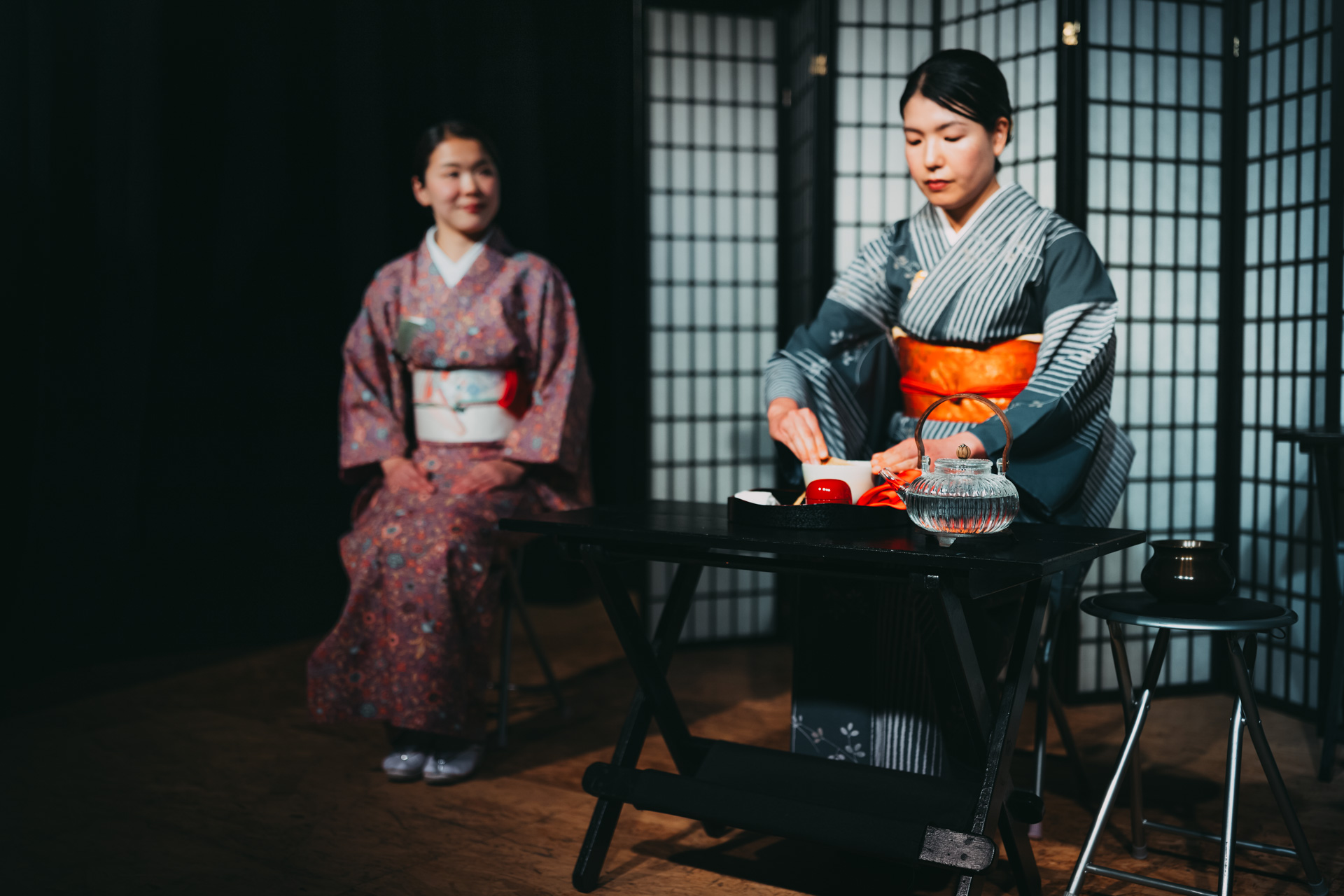
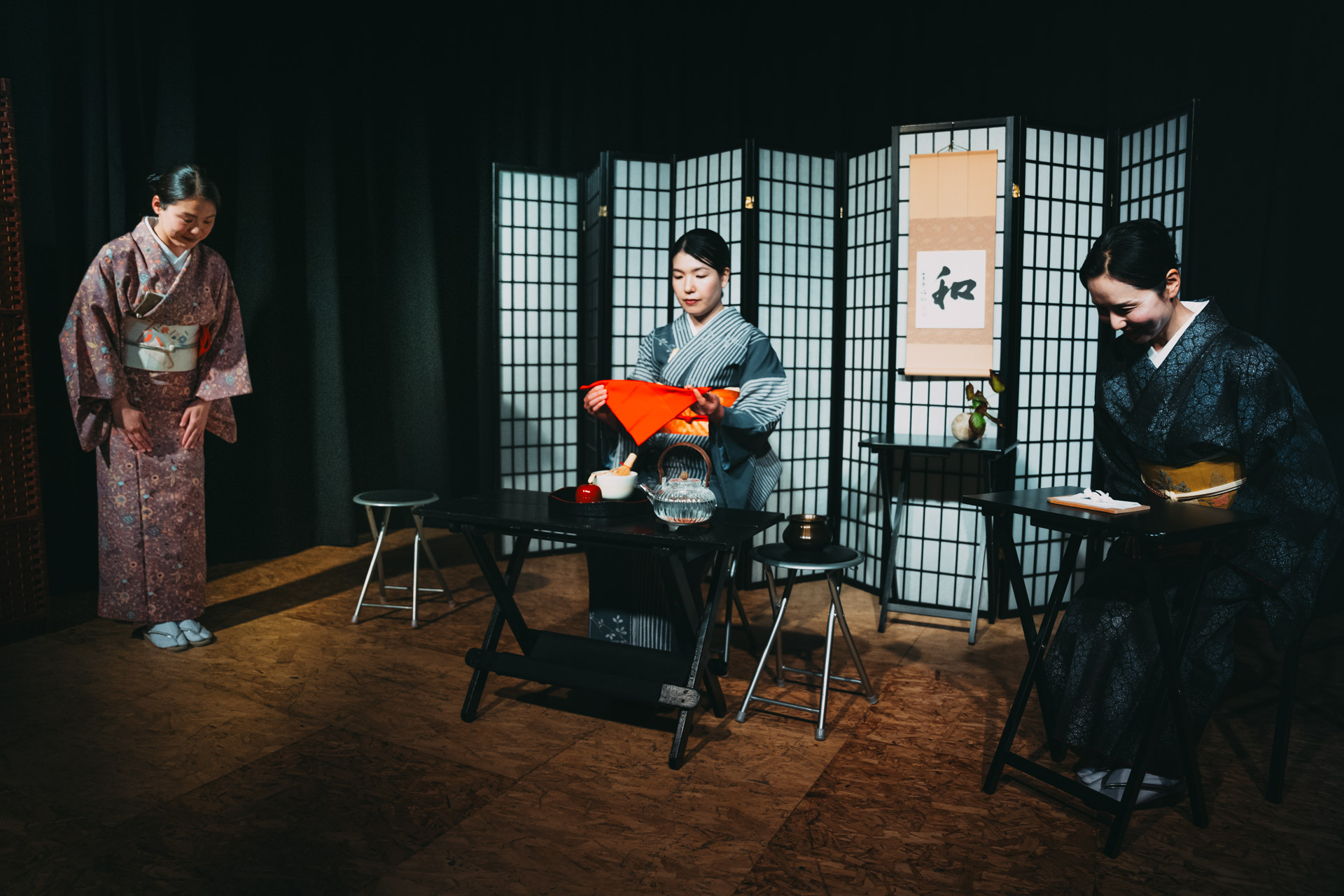
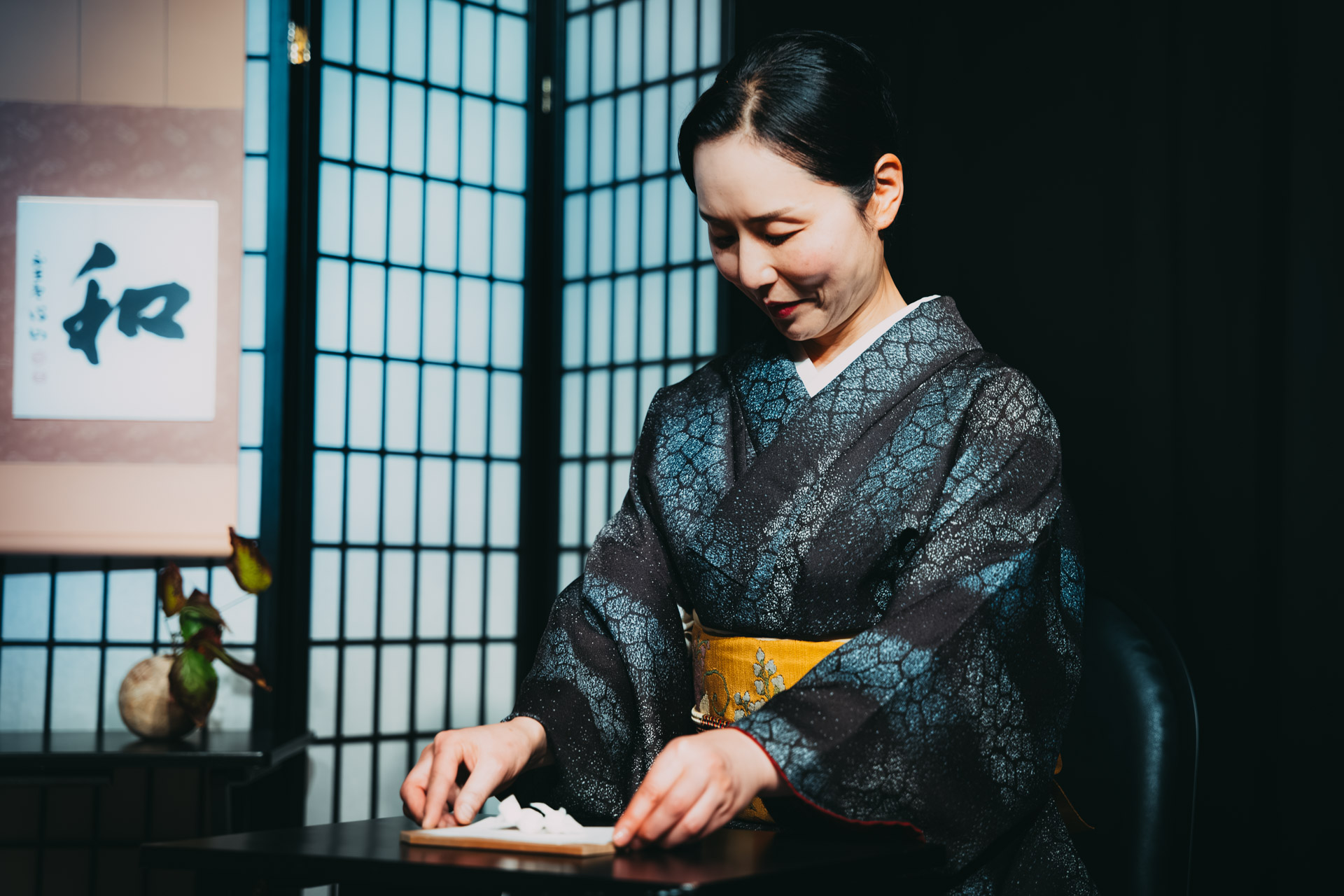
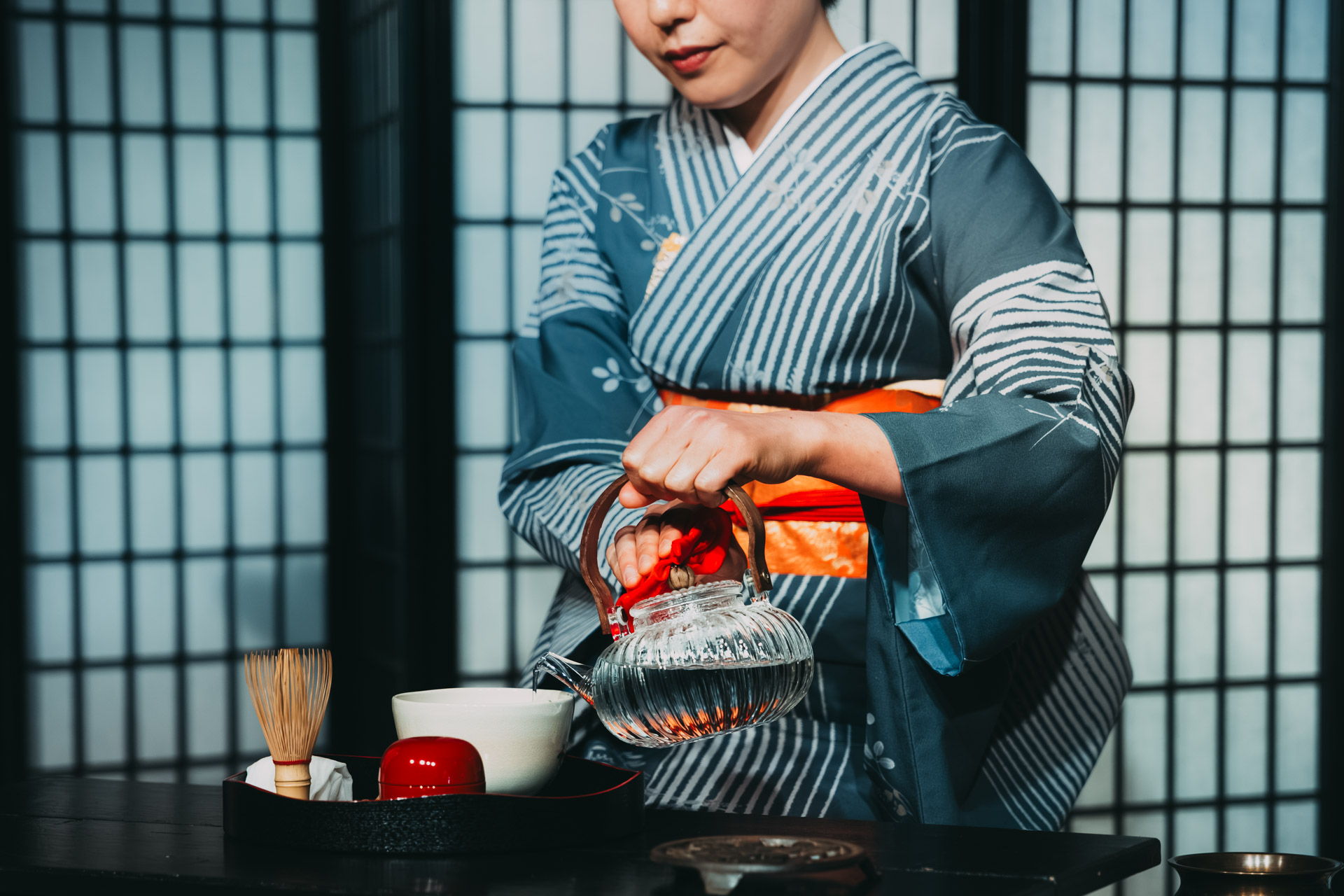
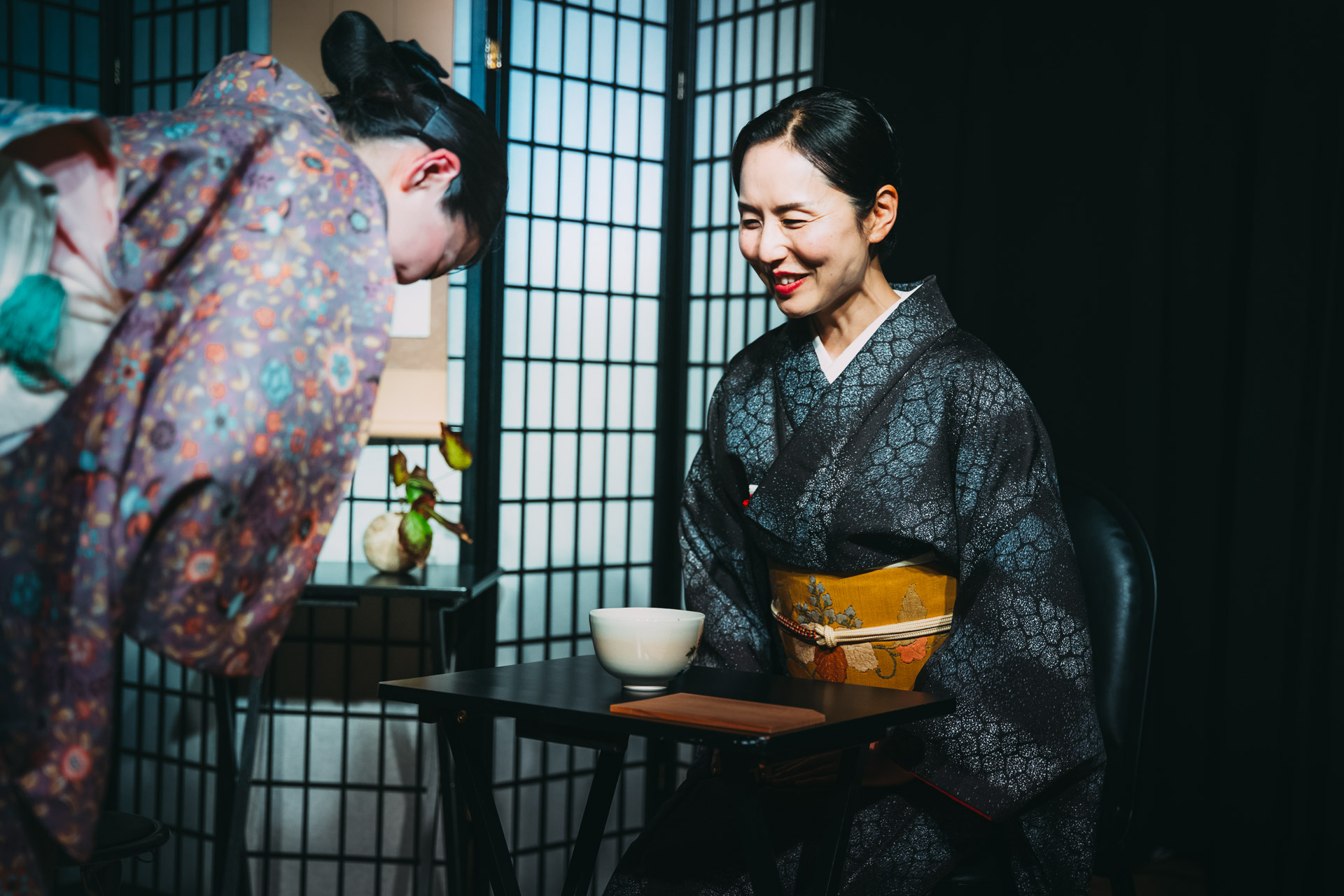
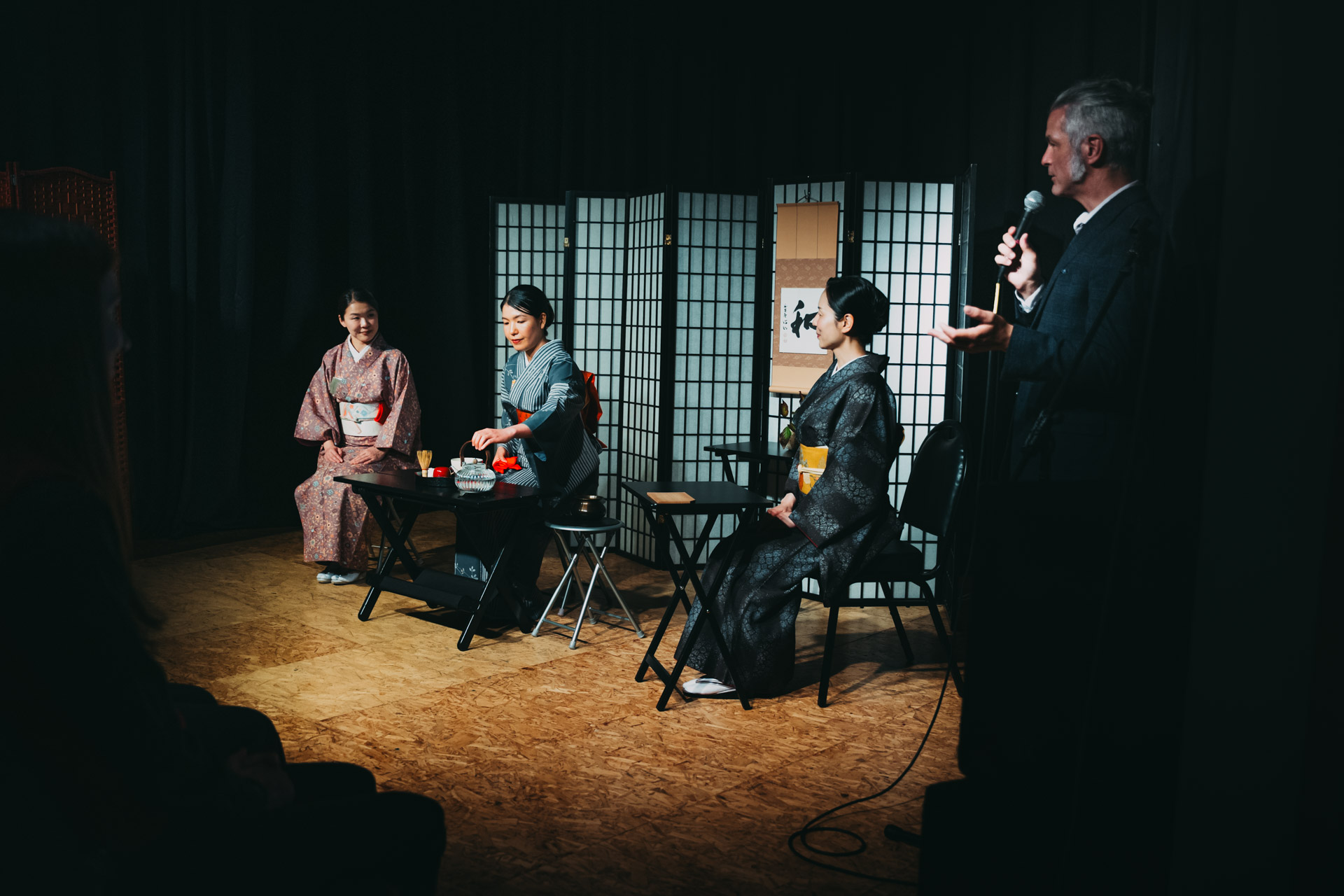
The overture to the festival was a demonstration of the traditional Japanese Way of Tea — Chado, presented by members of the Chado Urasenke Tankokai Victoria Association. With quiet precision, they showed how tea is prepared and introduced the distinctive gestures of the Japanese tea ceremony. Indeed, the tea ceremony transforms an everyday act — preparing tea for another person — into a carefully considered sequence of movements and gestures, with each utensil playing its particular part. This vivid demonstration offered a key to understanding the philosophy at the heart of the ceremony.
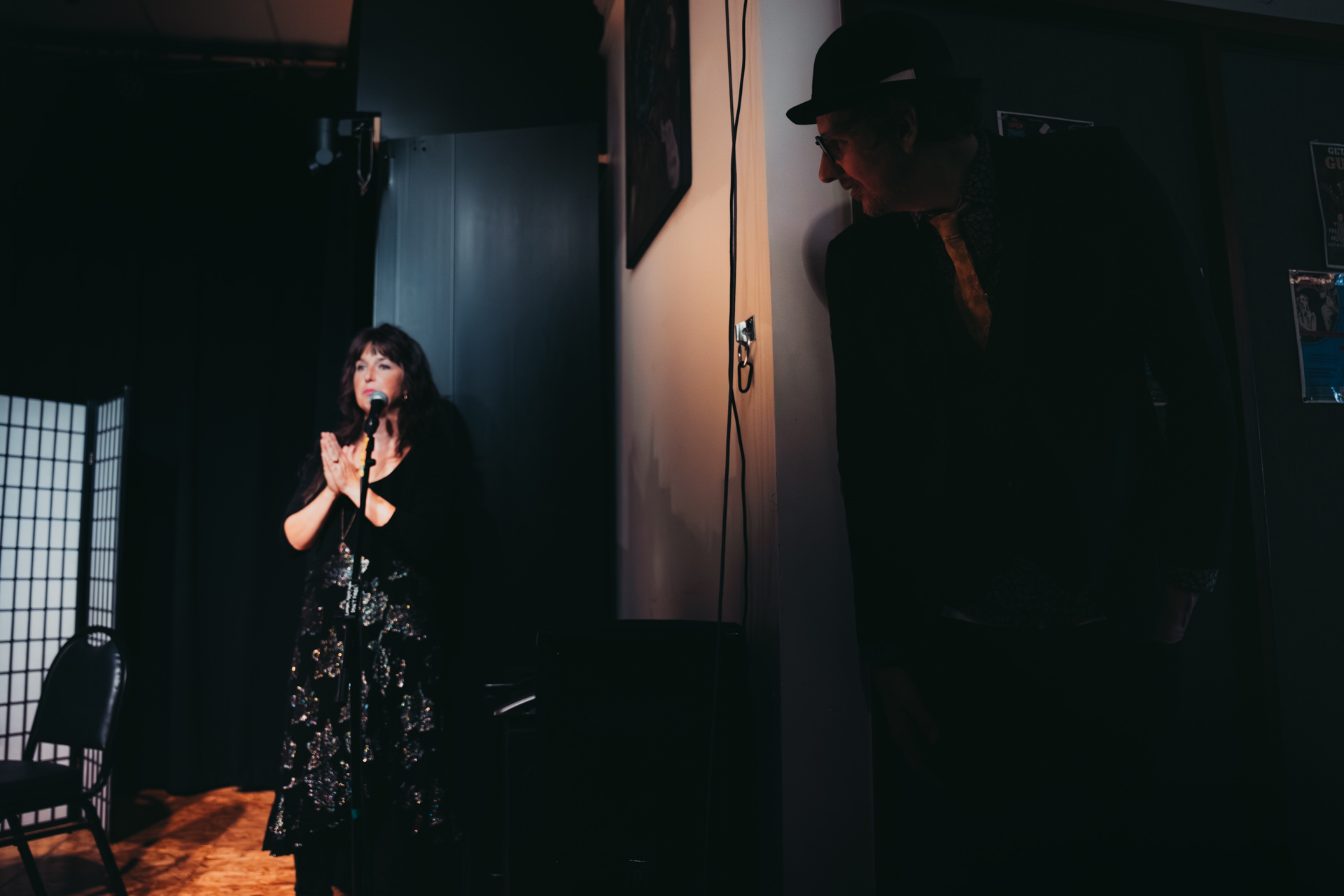
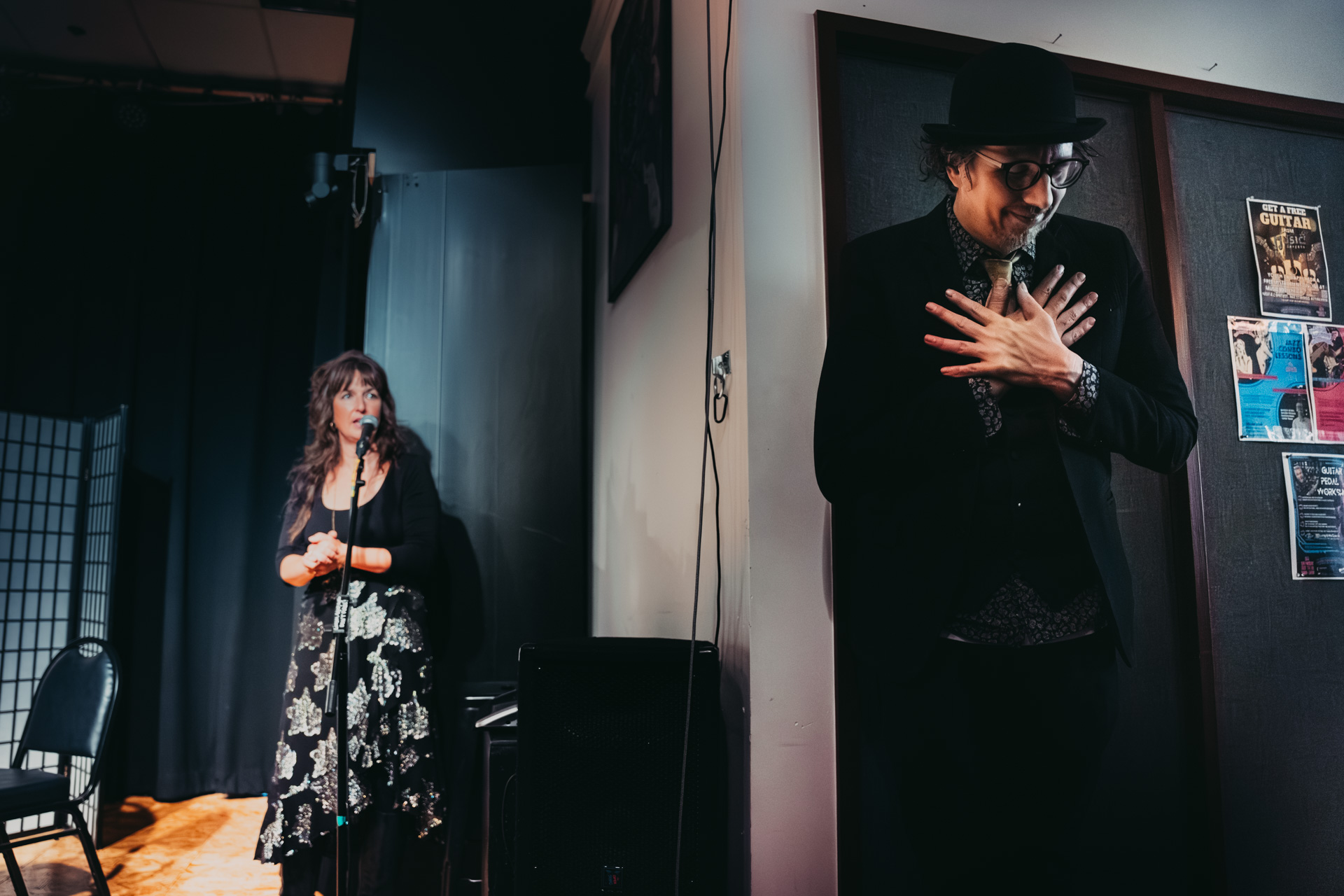
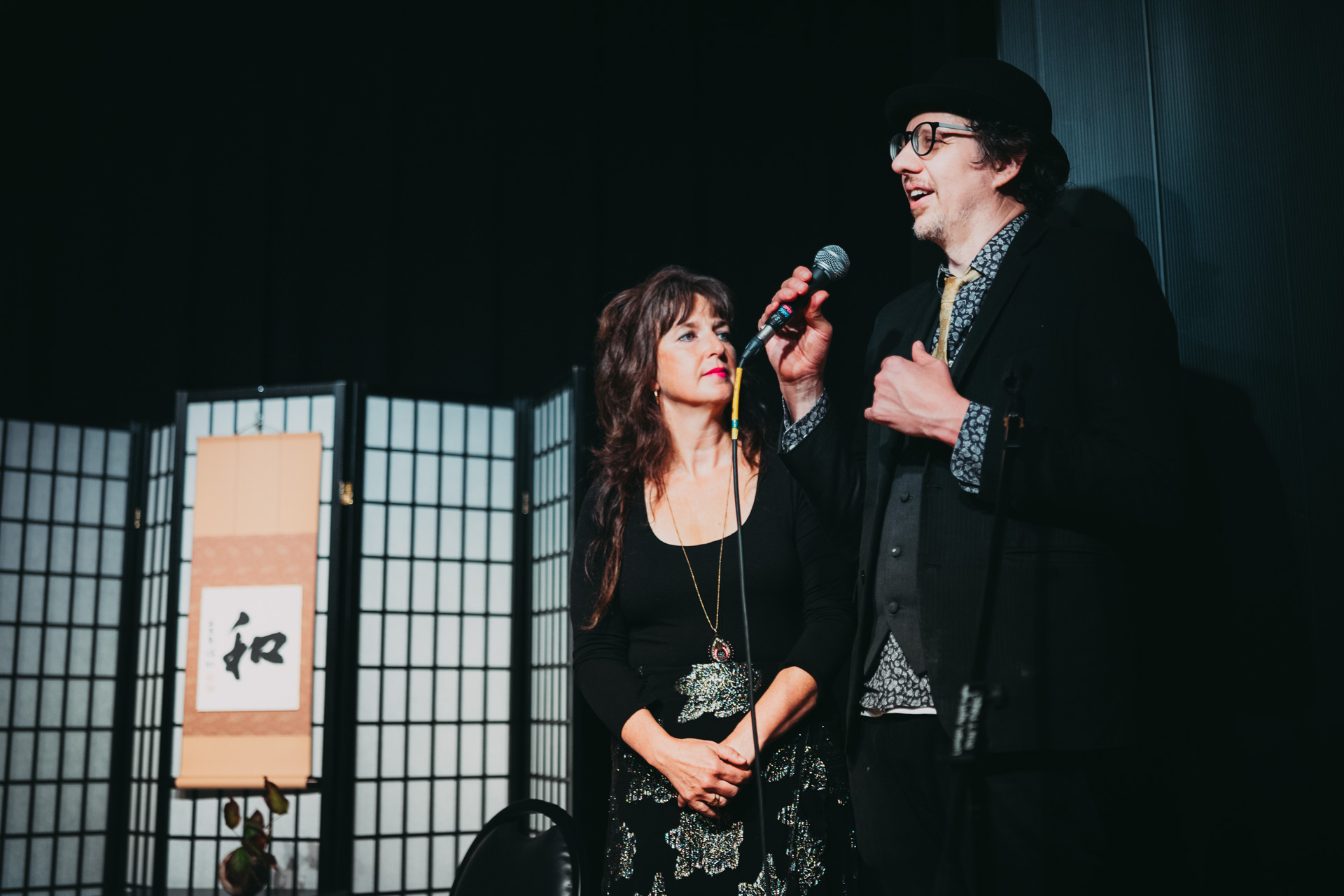
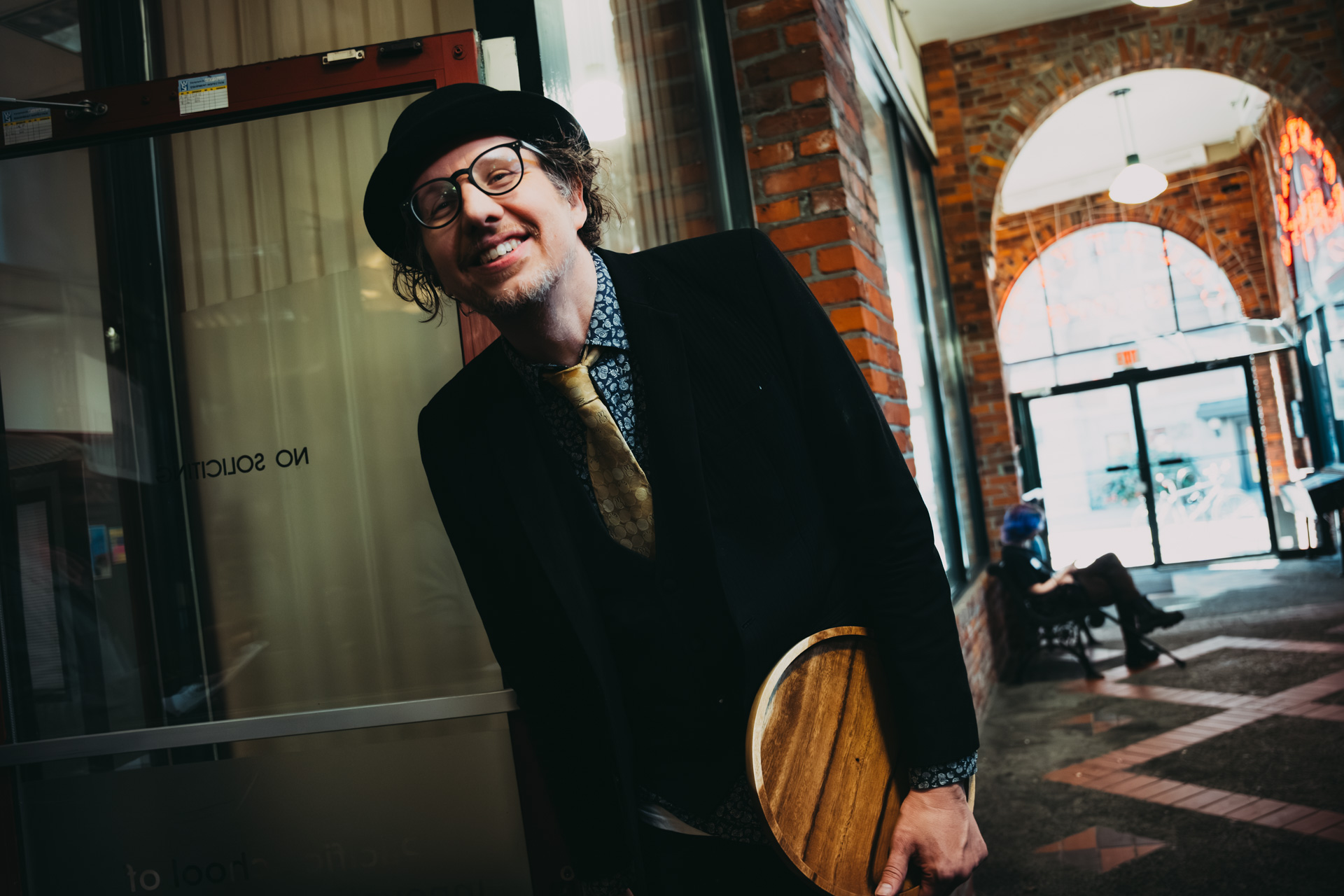
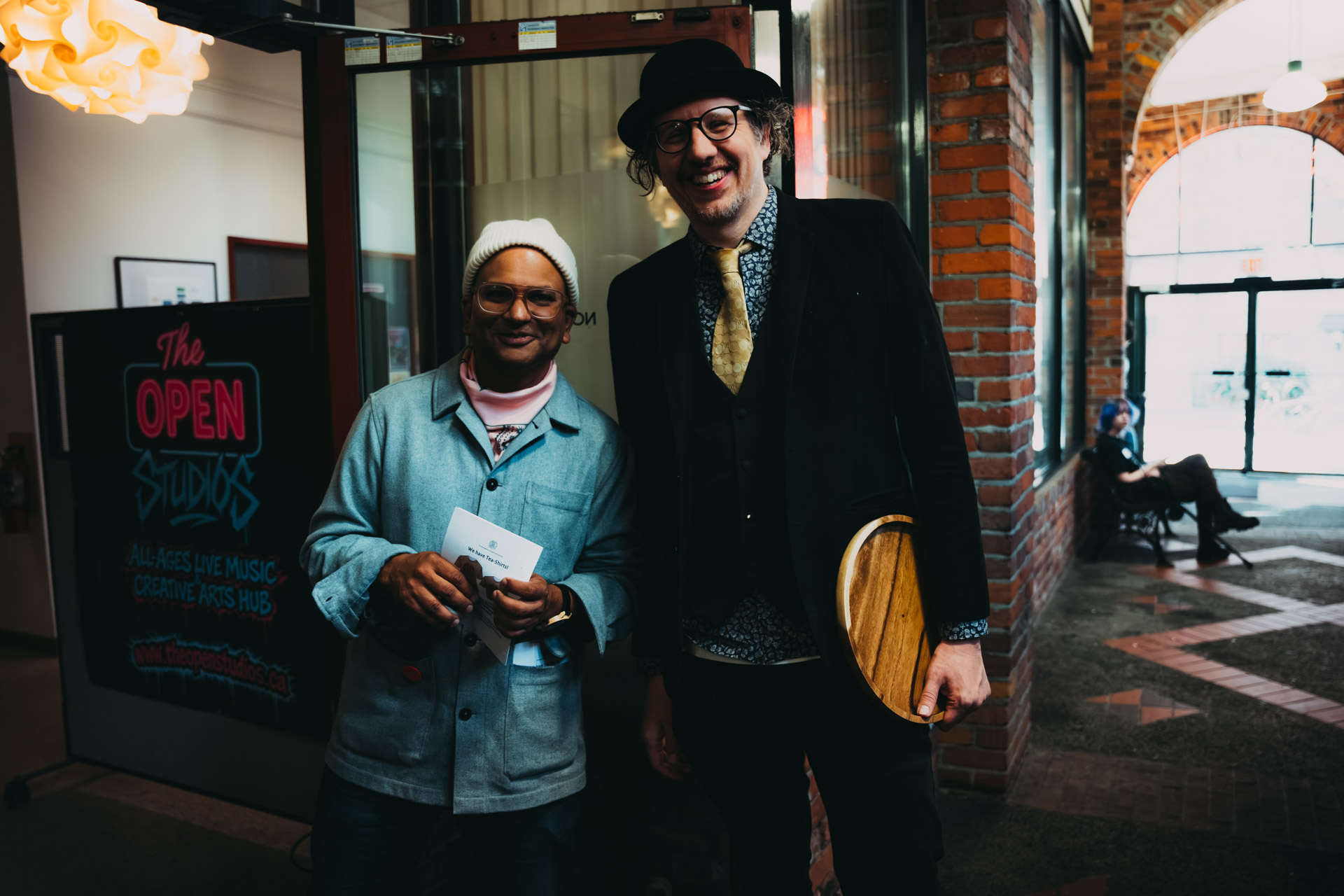
But just before the demonstration began, the festival organizers welcomed the guests — and it was a fitting moment to meet two of the people whose passion and dedication have helped shape both the International Tea Appreciation Society and the festival itself.
Jared Nyberg, President of ITAS, began his journey into the world of tea two decades ago, delivering tea by bus. From there, his curiosity led him further into Japanese tea culture, and especially into the world of matcha. Learning led naturally to importing, milling and grading, and eventually to something just as important — sharing that knowledge with others. Together with his partner Miyuki, Jared founded Victoria-based JagaSilk, turning a fascination with tea into a life built around it. And that same passion, still very much alive today, is the driving force behind the Victoria Tea Festival Revival.
Jen Maksymetz, Vice-President of ITAS, known as Tea Mistress, found her way into the world of tea while living in Taiwan, where her Taiwanese “family” introduced her to tea culture and Gongfu tea ceremony. Her fascination grew into a journey through some of the world's celebrated tea regions — meeting farmers, learning from tea masters and discovering exceptional teas along the way. Tea has taken Jen into all kinds of places, from intimate tearooms and arts festivals to London's Royal Academy of Arts, where she performed a contemporary tea ceremony within Chinese architect Li Xiaodong's installation for Sensing Spaces. She co-founded Jade Spring Teas and, in 2012, began sharing her experience through teaching. After moving with her family to Salt Spring Island in 2018, Jen opened her own tea school.
Behind Jared and Jen — and somehow here, there, and in what seemed like a dozen other places at once — was another indispensable member of the Society, ITAS Secretary Dyllan Goldstein. Away from the world of tea, Dyllan works in emergency management as a legislative analyst with the Province of British Columbia and teaches risk management at the Justice Institute of British Columbia — a background that comes in handy when keeping a busy festival running smoothly.
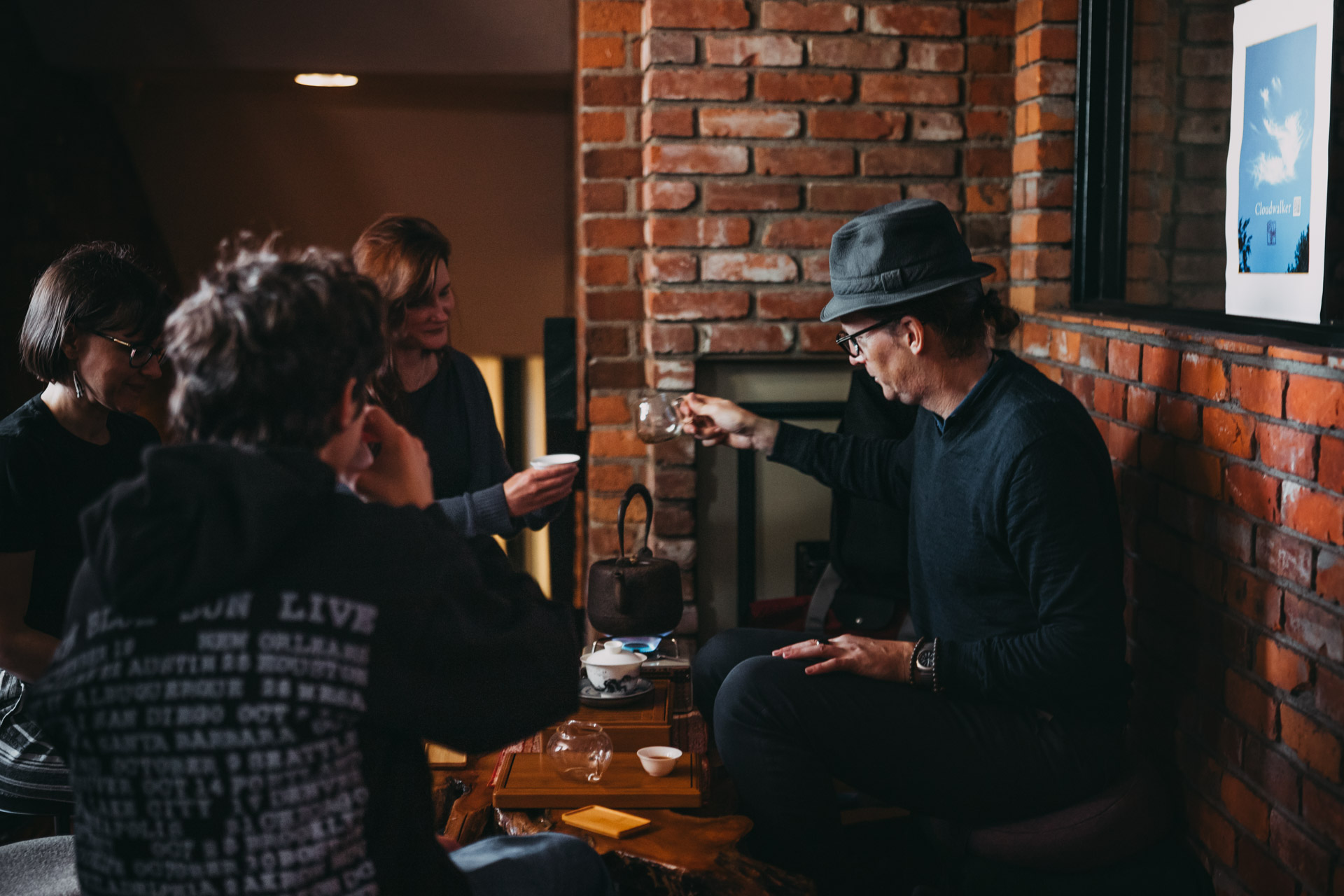
Meanwhile, next door at JagaSilk, the festival workshops began at noon. Jan Chan of Teakan opened the programme with The Road to Senchadō (煎茶道), introducing another path within Japanese tea culture. After years of exploring both Chinese and Japanese tea traditions, Chan found her way to Senchadō — the Way of Sencha. In 2025, she received the title of Junshihan (Associate Professor) from the Oubakubaisa-Ryu Senchadō School, becoming its first Senchadō teacher in Canada.
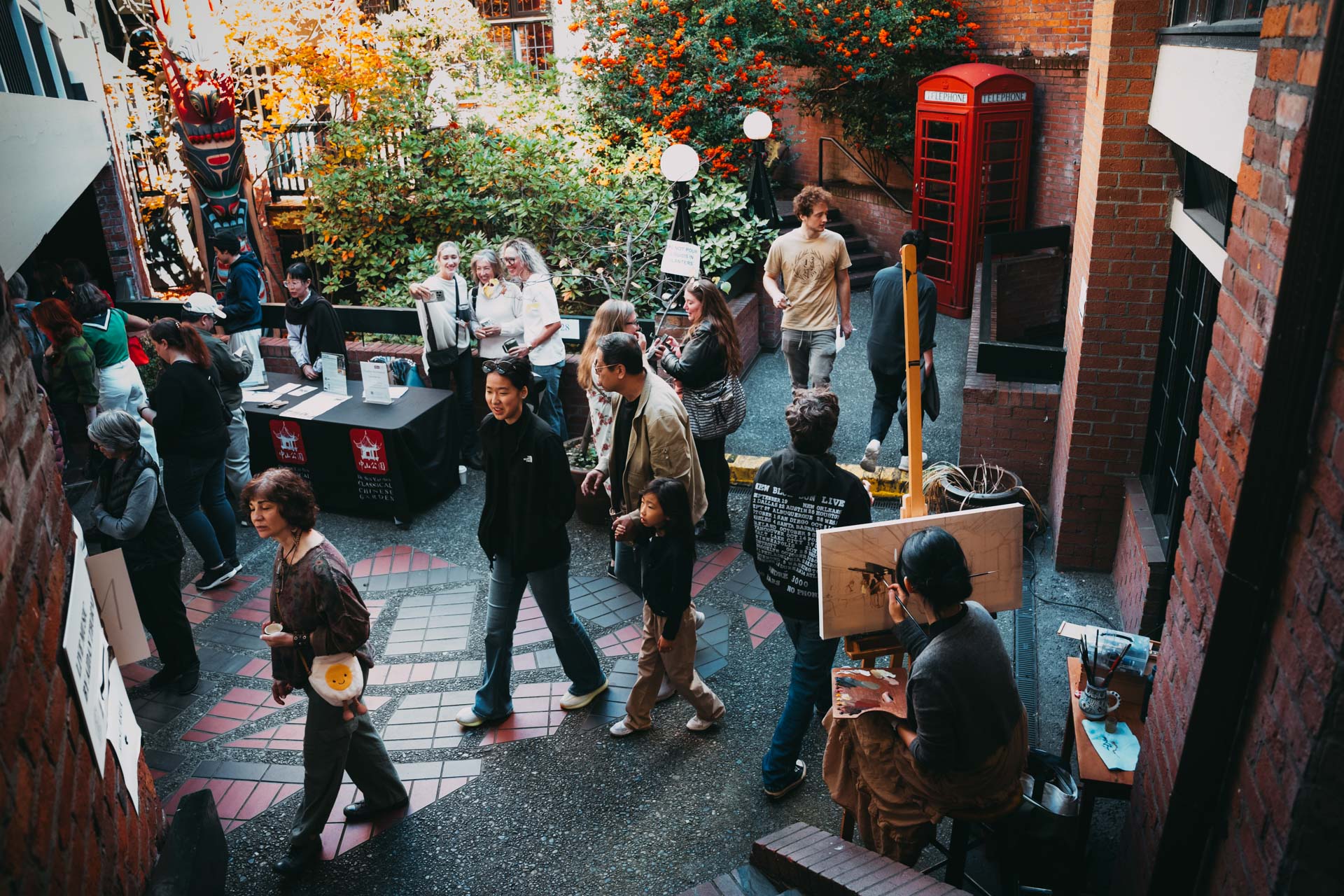

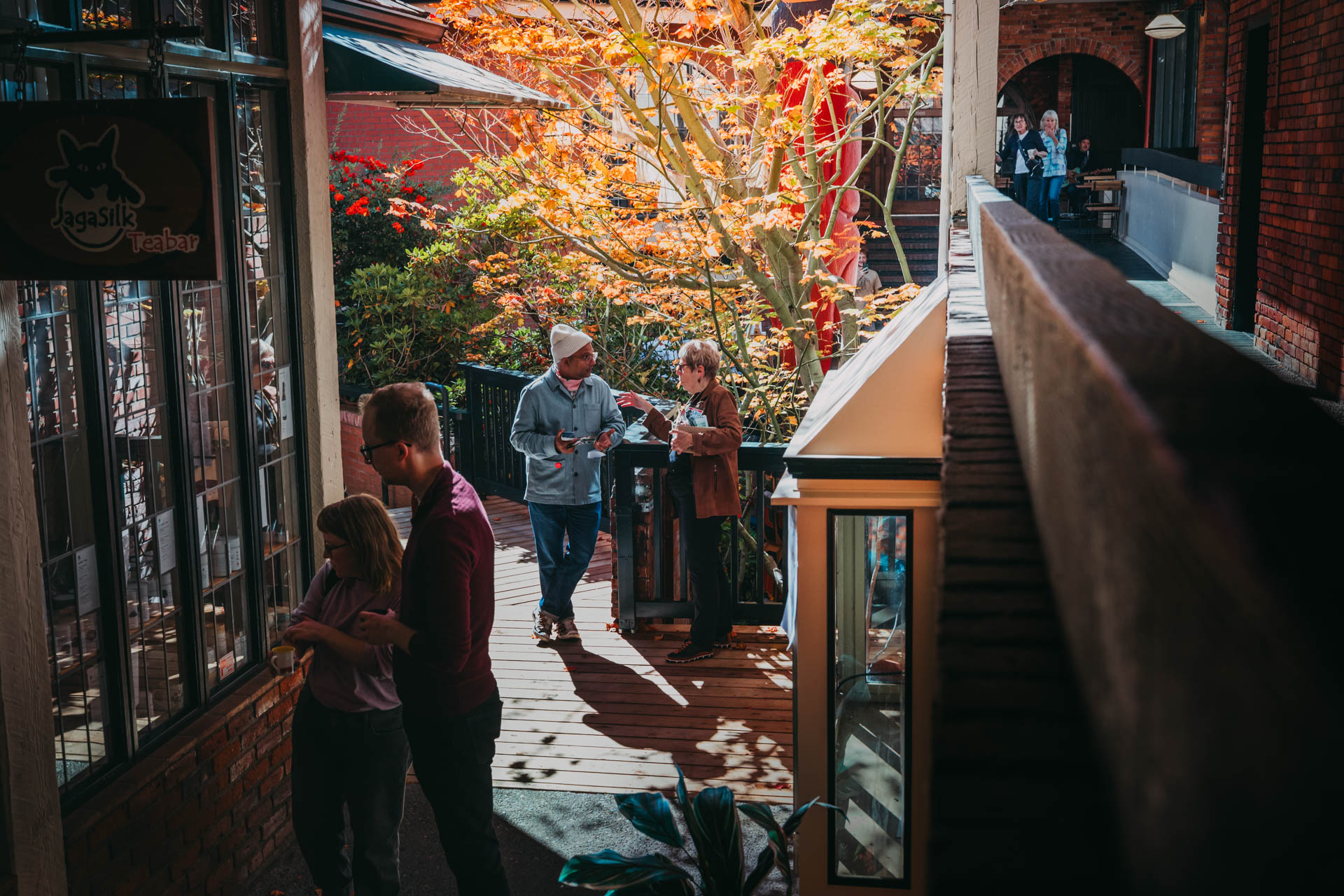
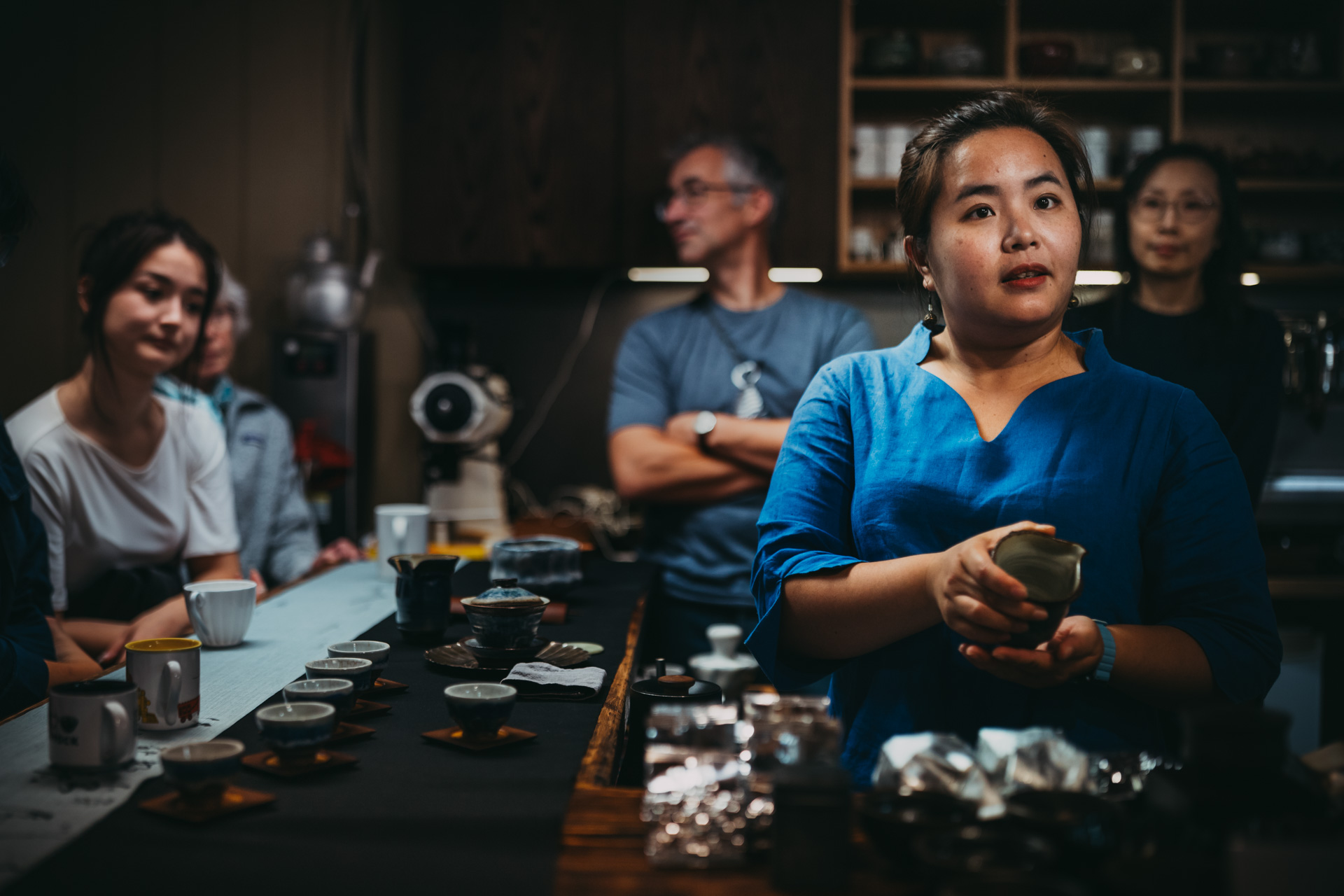
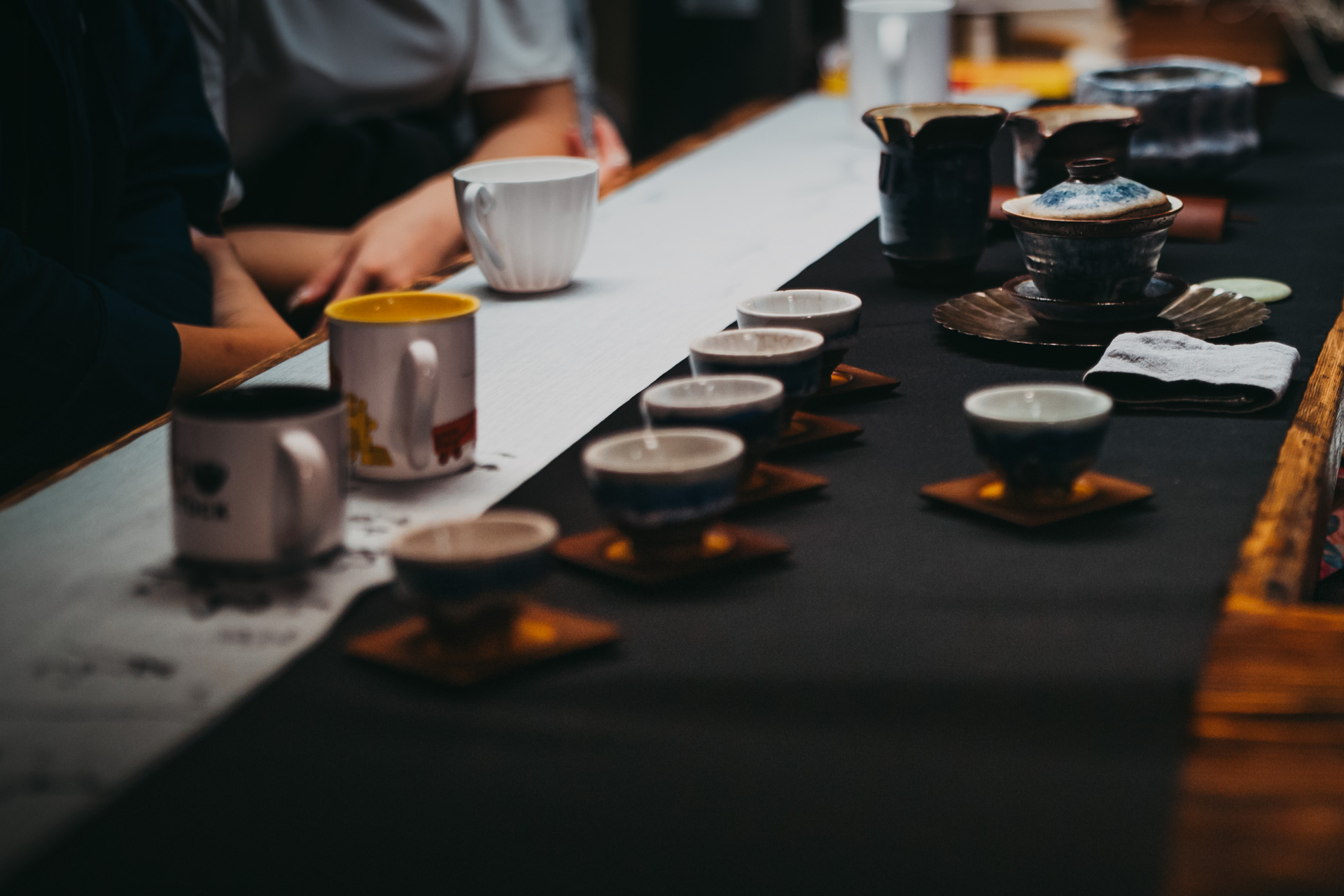
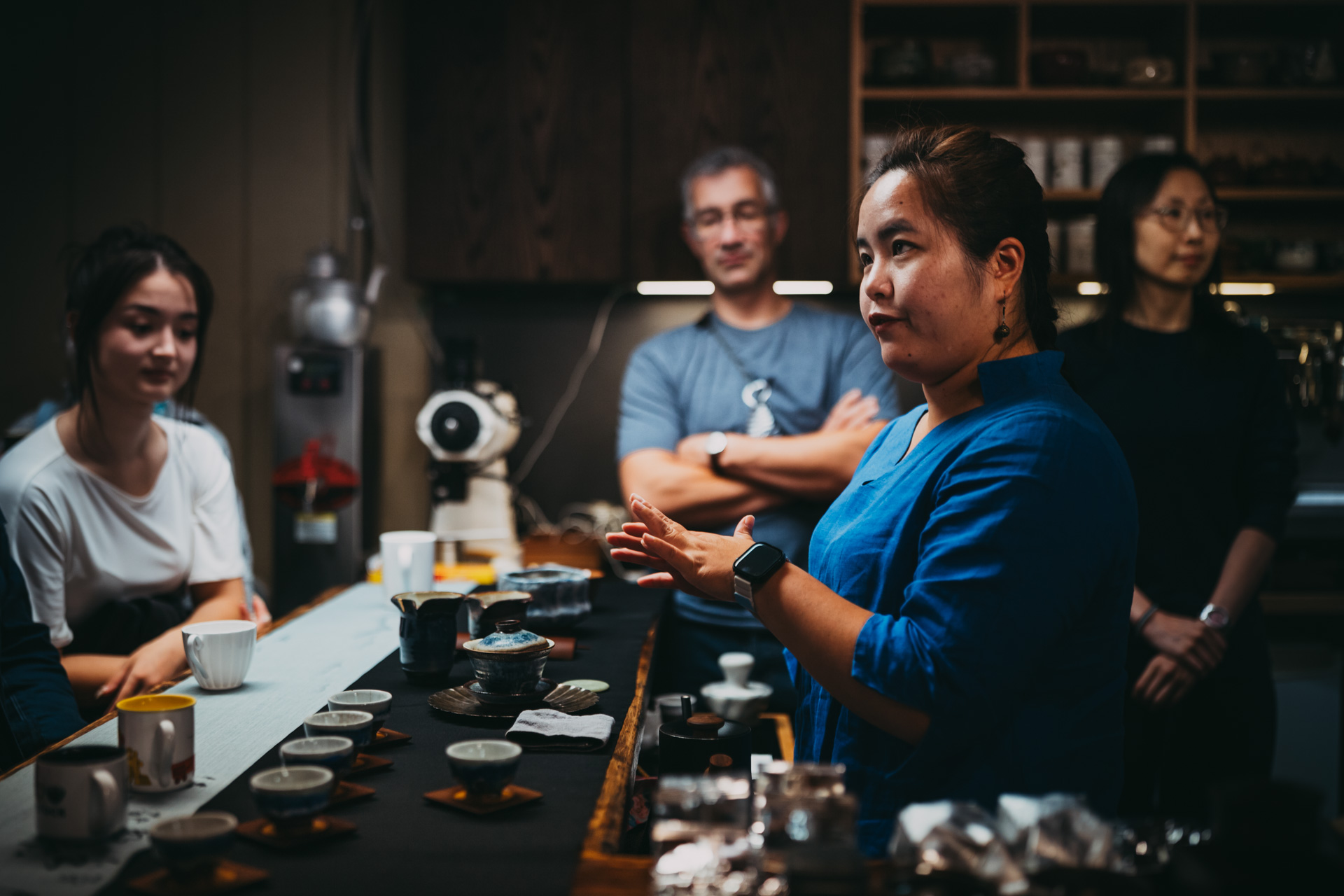
There were so many places at the festival where you wanted to linger a little longer. And while demonstrations and workshops unfolded in one place, conversations and exhibitions were drawing you somewhere else.
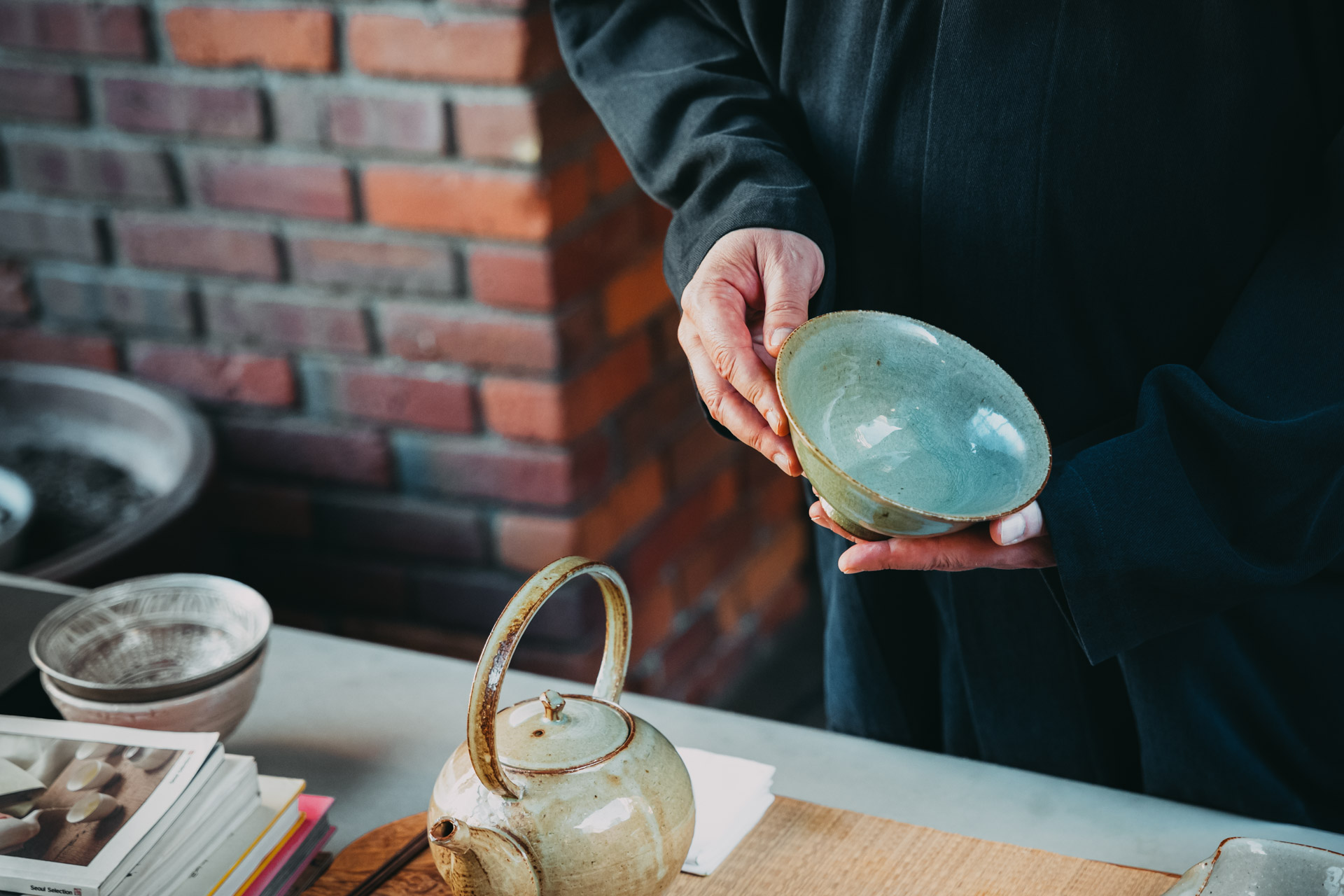
At the Rare Teaware Gallery in the Vic Theatre lobby, it was the vessels themselves that told the stories. Bowls, cups and teapots carried traces of their makers, materials, places and traditions — a reminder that the world of tea is shaped not only by what we drink, but also by the beautiful objects created to prepare and share it.
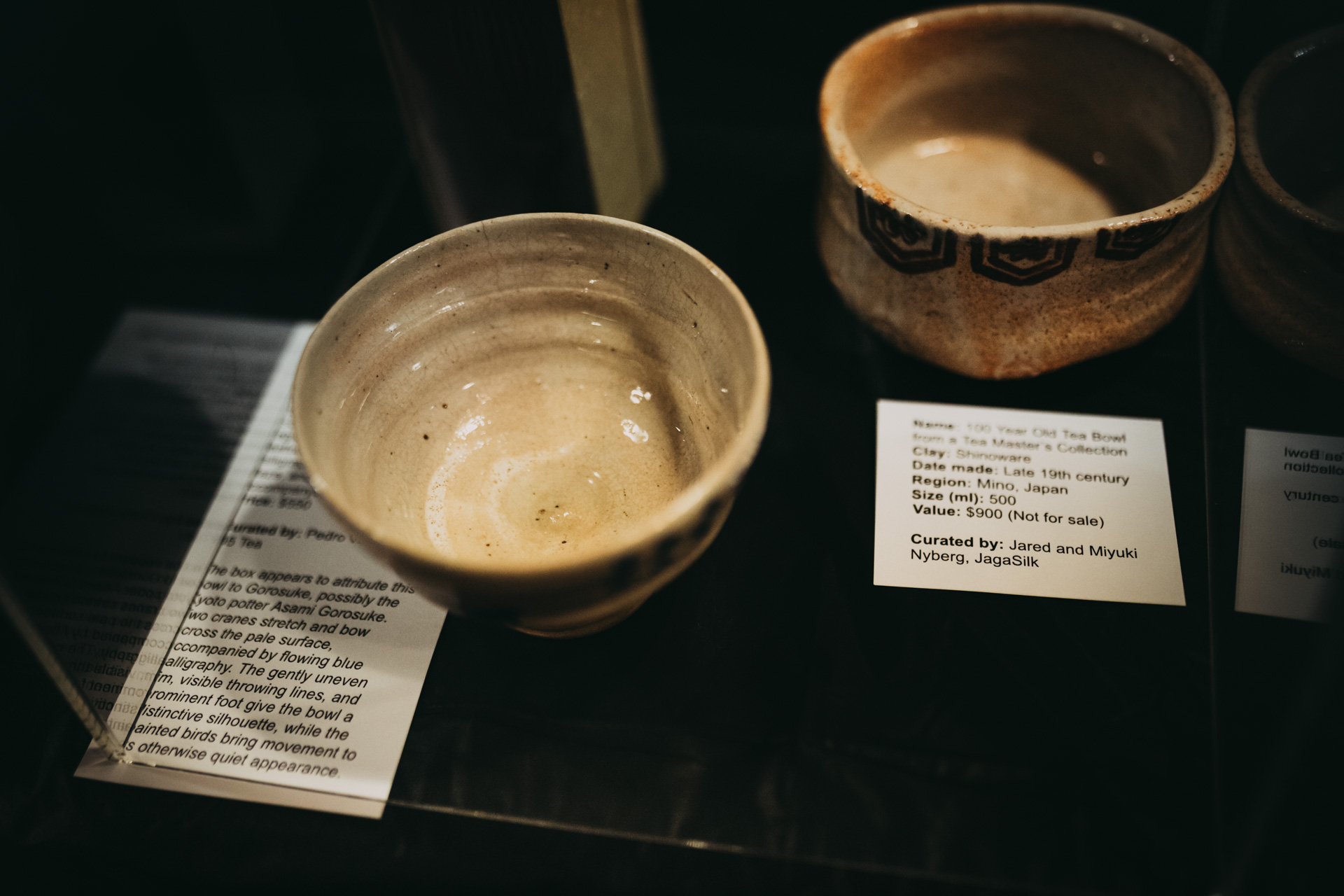
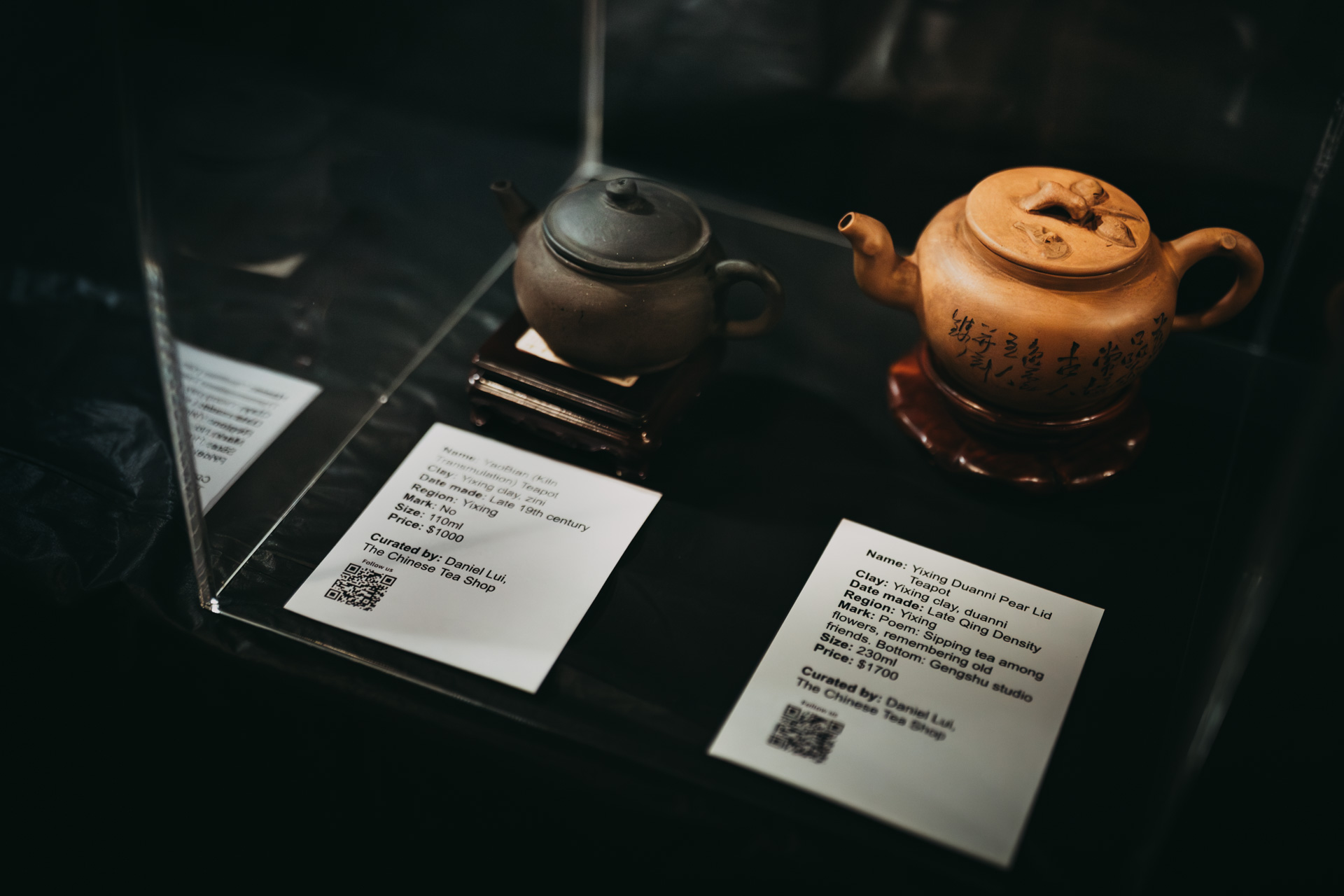
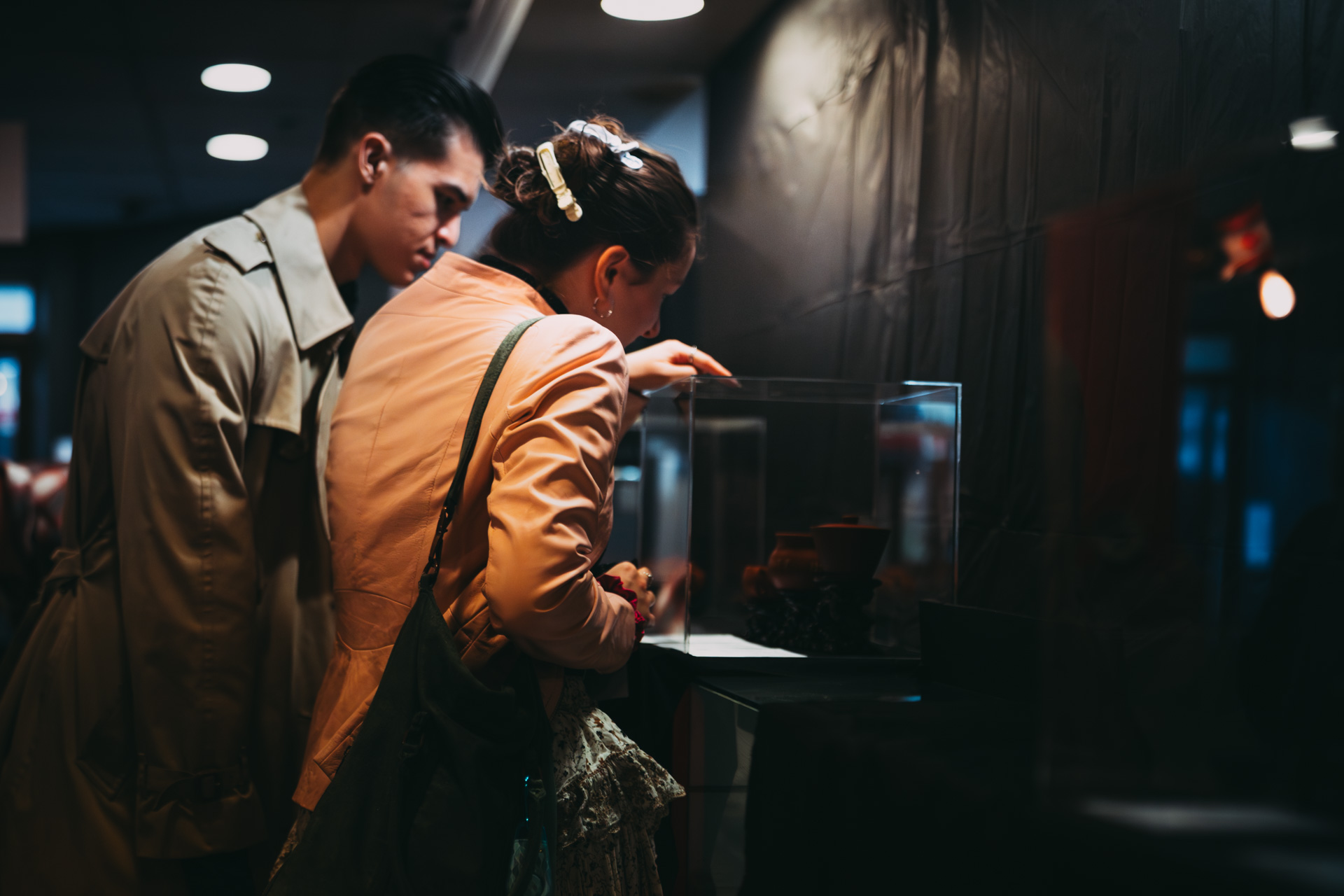
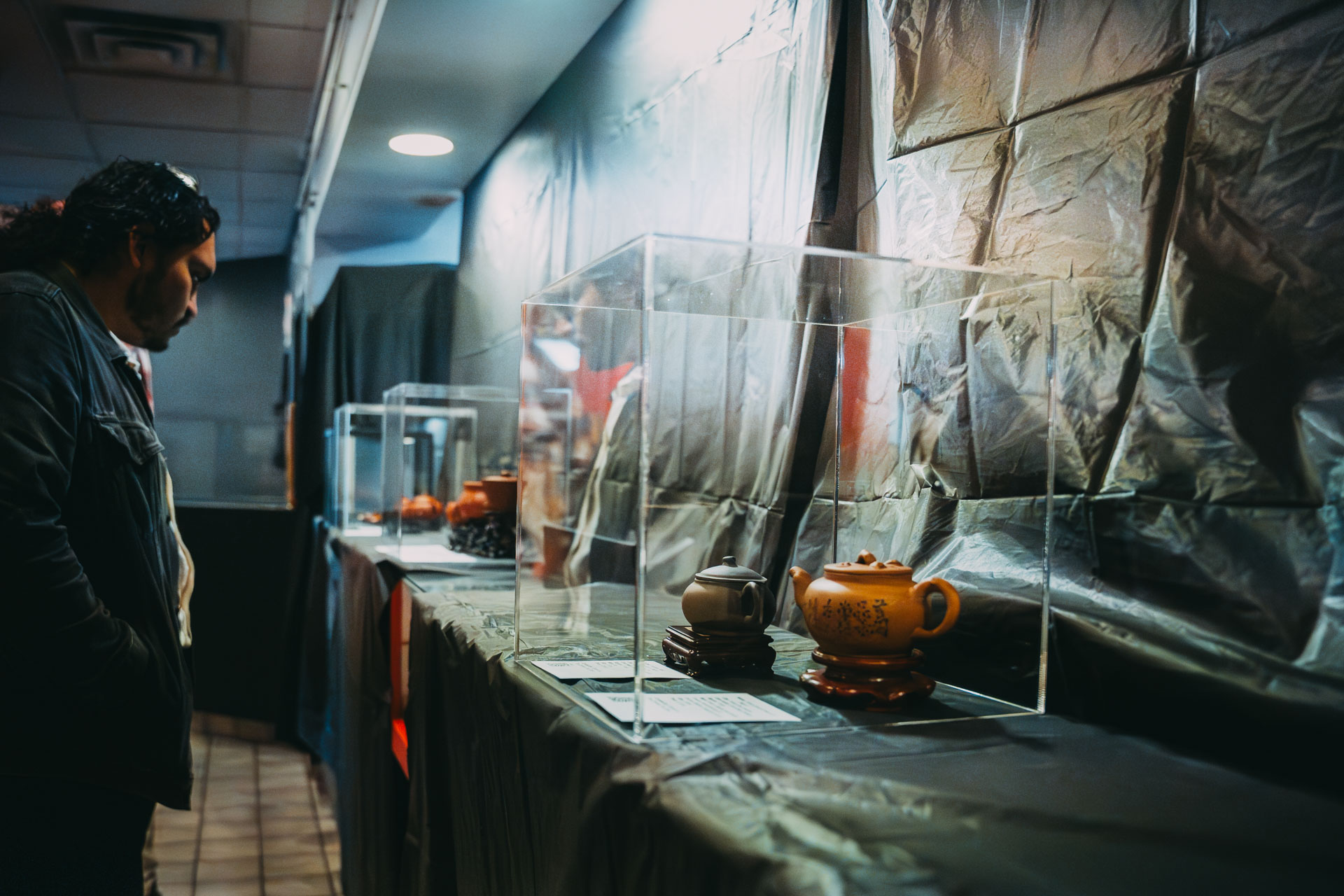
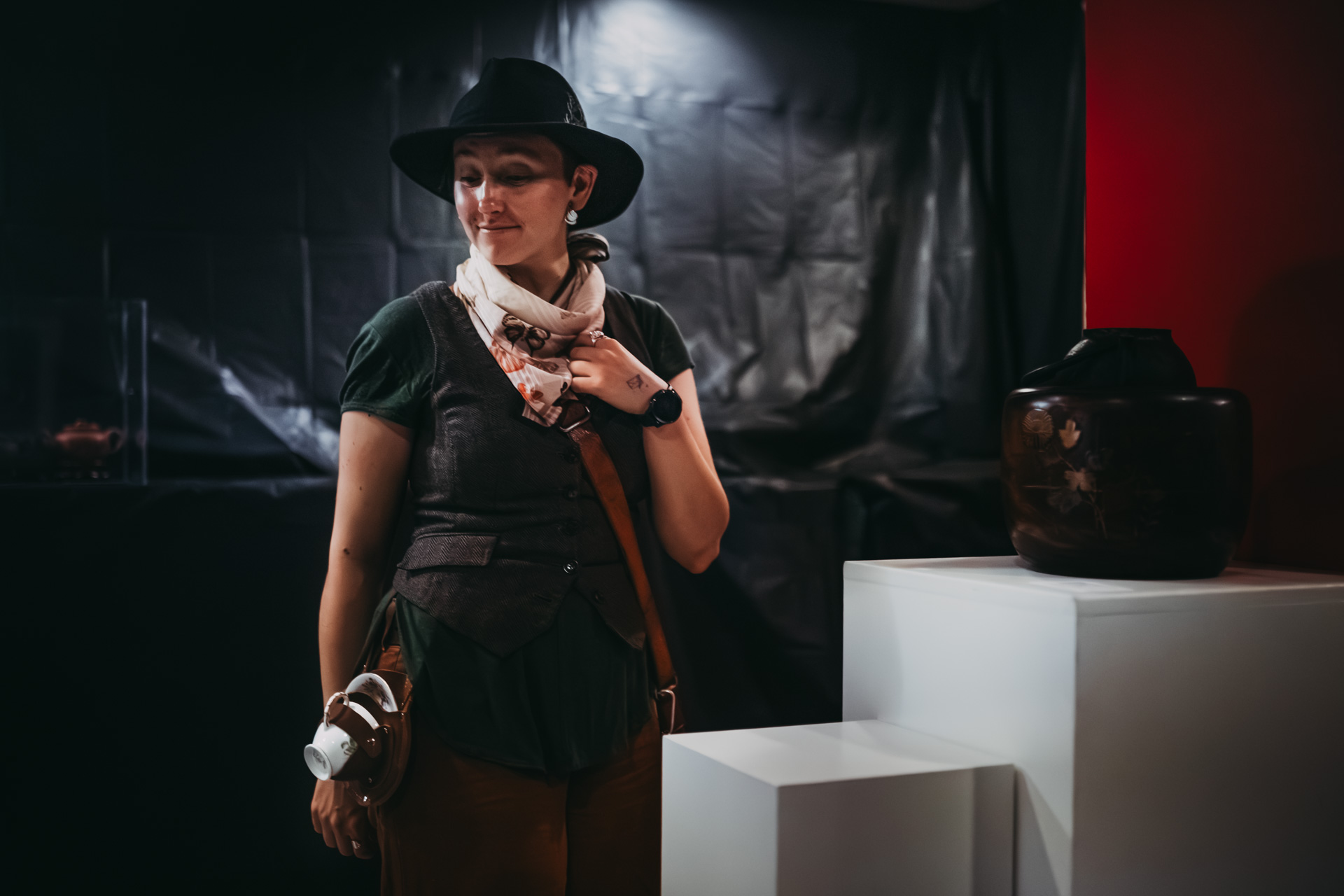

And tea kept leading the conversation in unexpected directions.
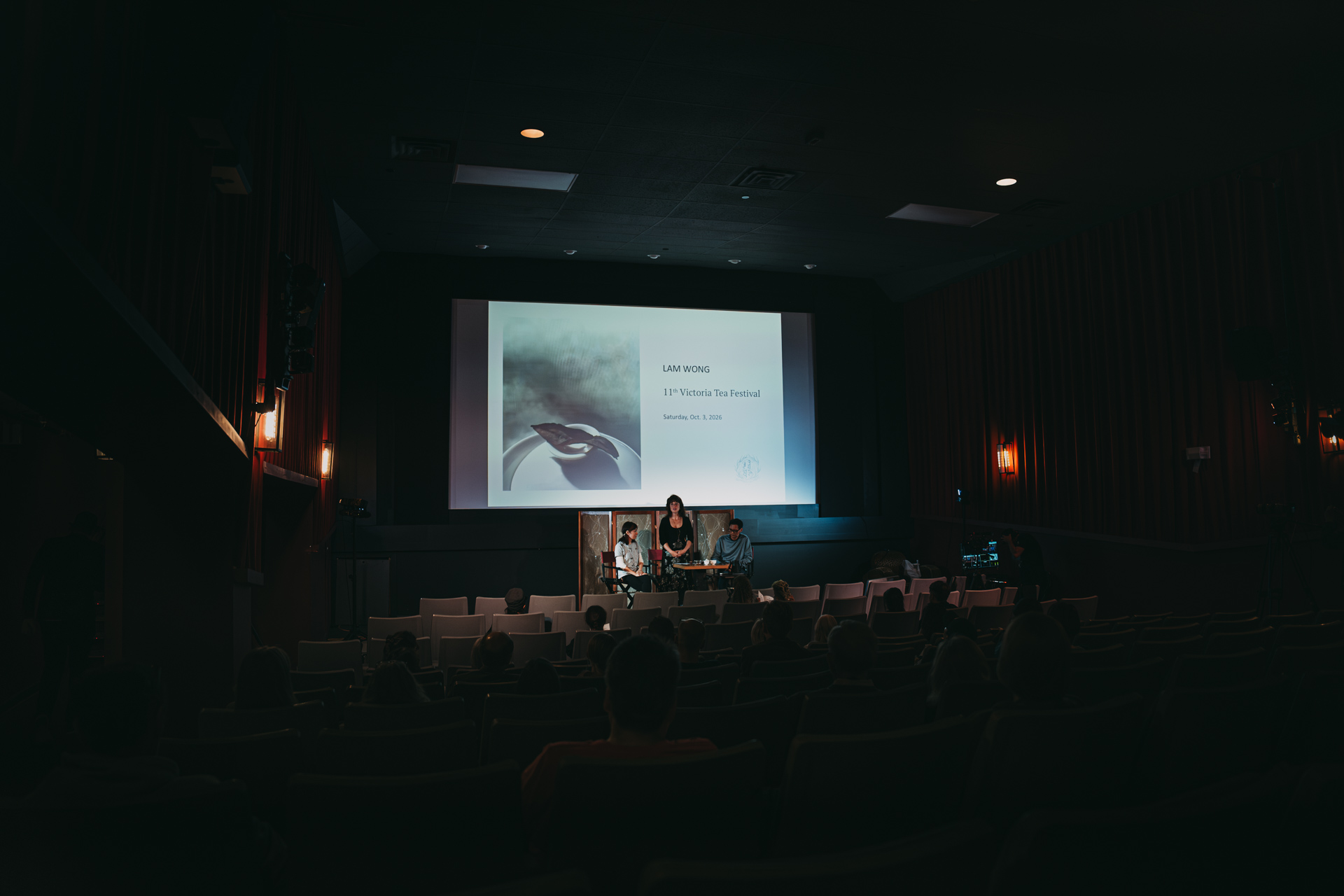
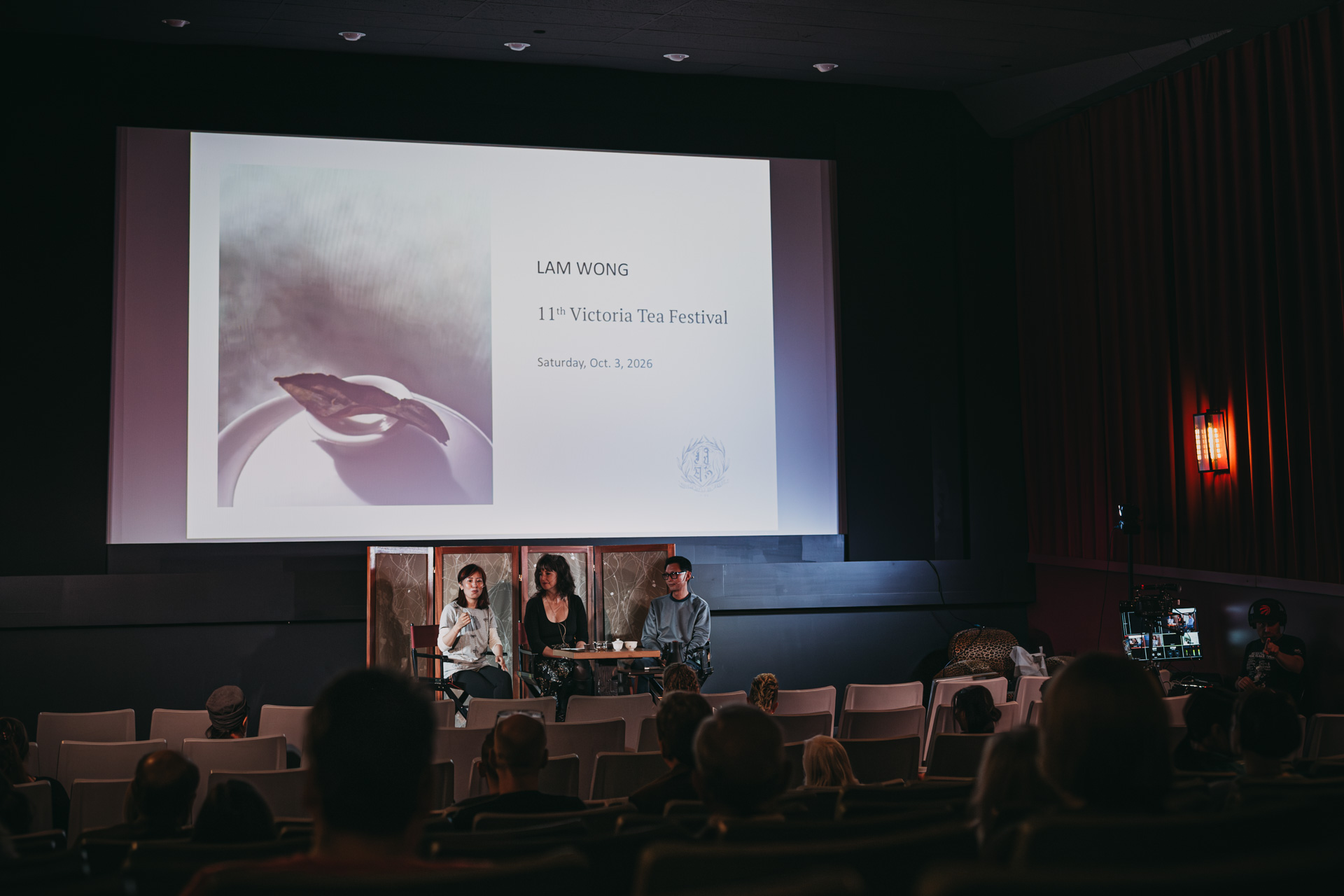
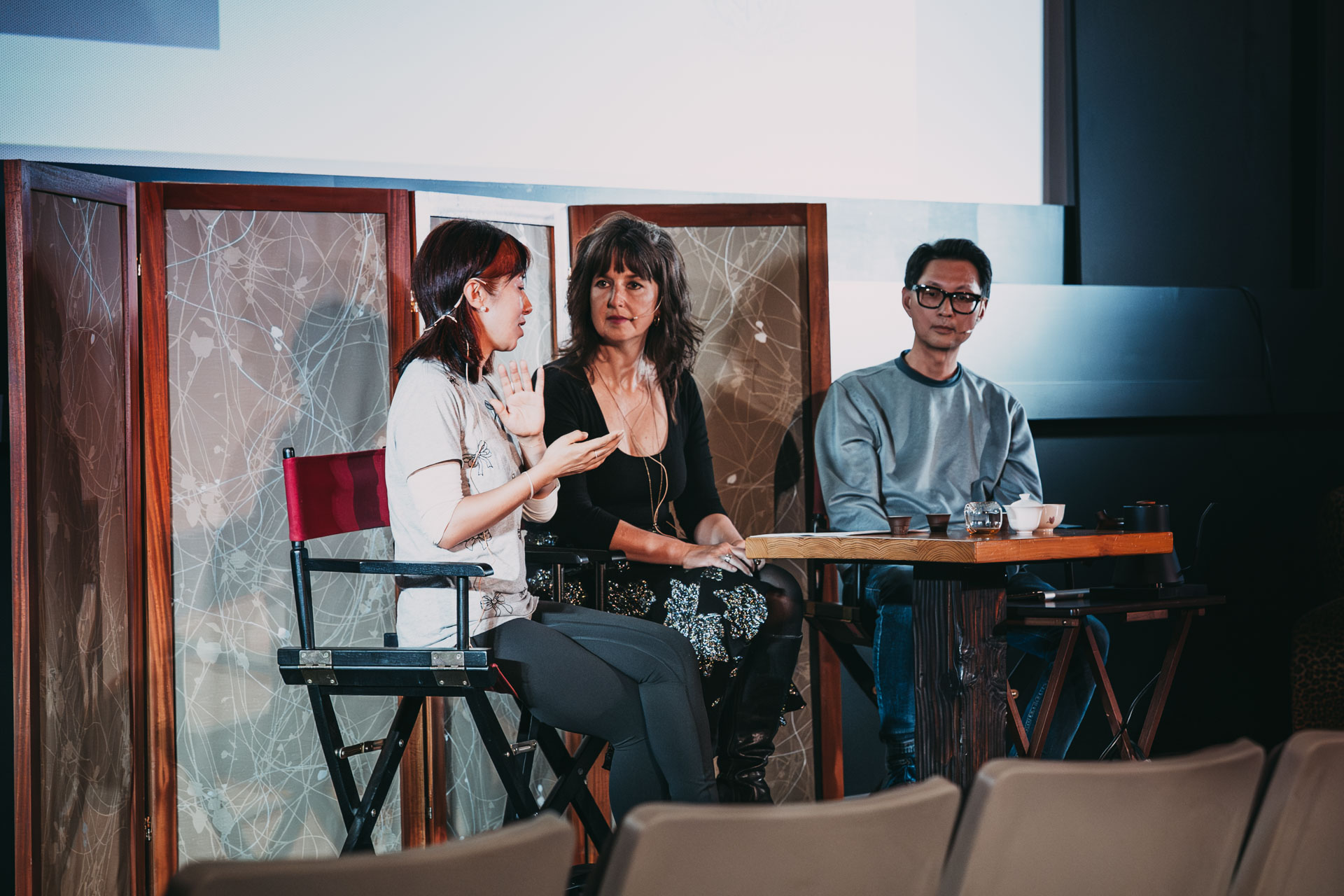
At the International Tea Symposium, Gongfu tea expert Lillian Li and contemporary artist Lam Wong met for Tea Ceremony, Art & Social Imagination, exploring where tea ceremony meets creativity, art and the way we connect with one another. For Wong, the exploration extends far beyond the teacup. His documentary Tea Zen follows that journey through encounters with farmers and tea masters, artists and tea enthusiasts — and even a Zen monk. Here, tea became something more: a ritual, an art, and a language for bringing people together.

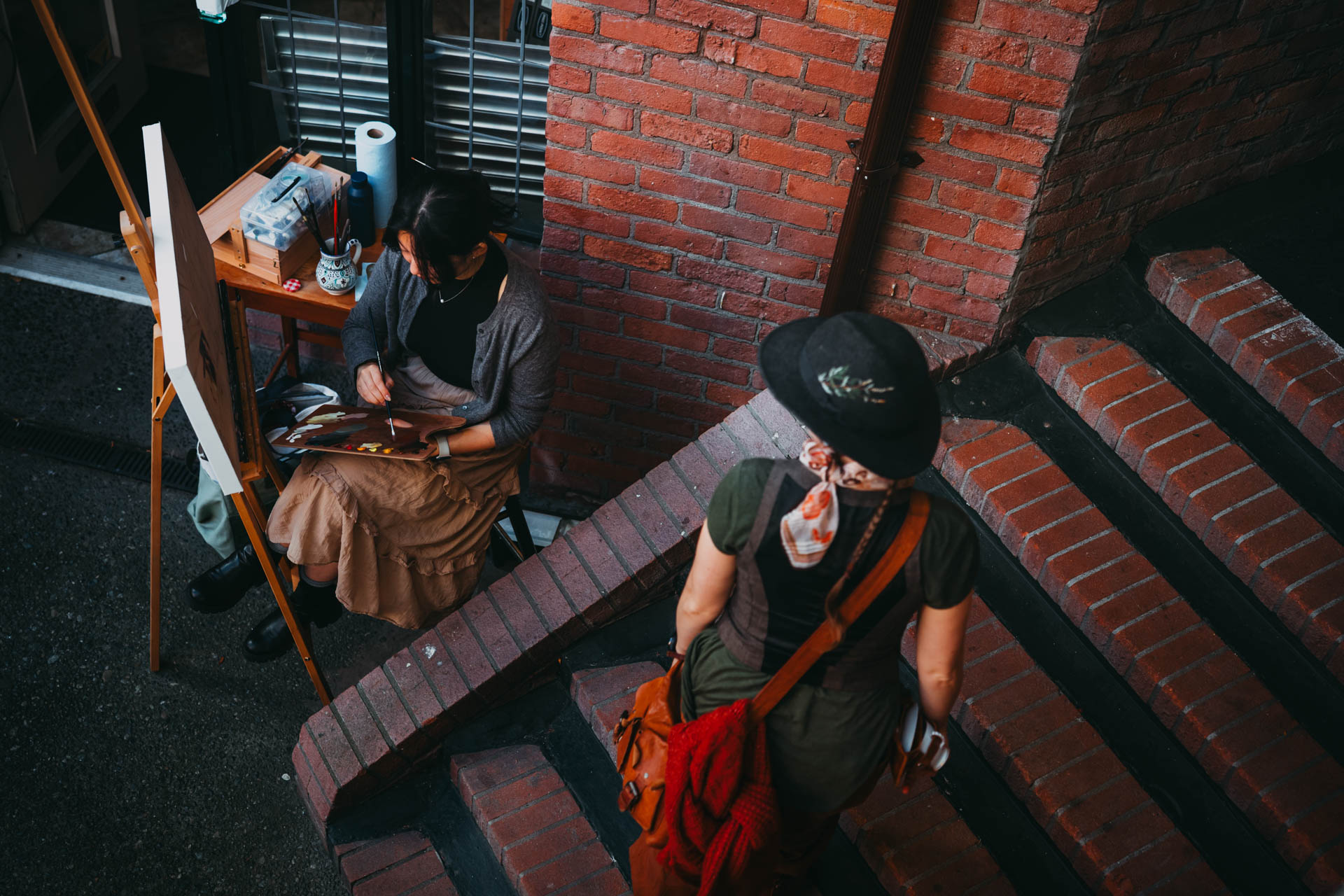

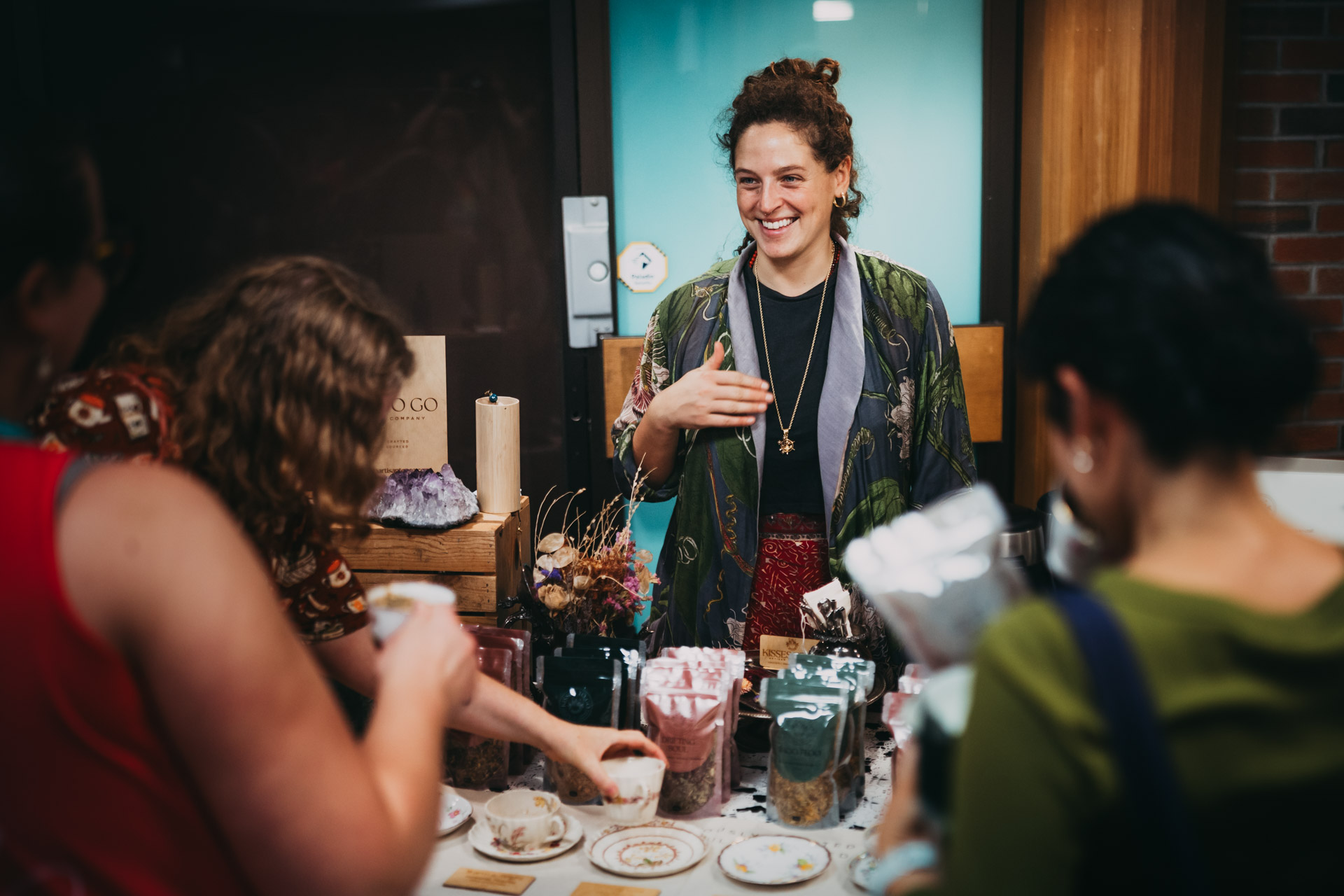
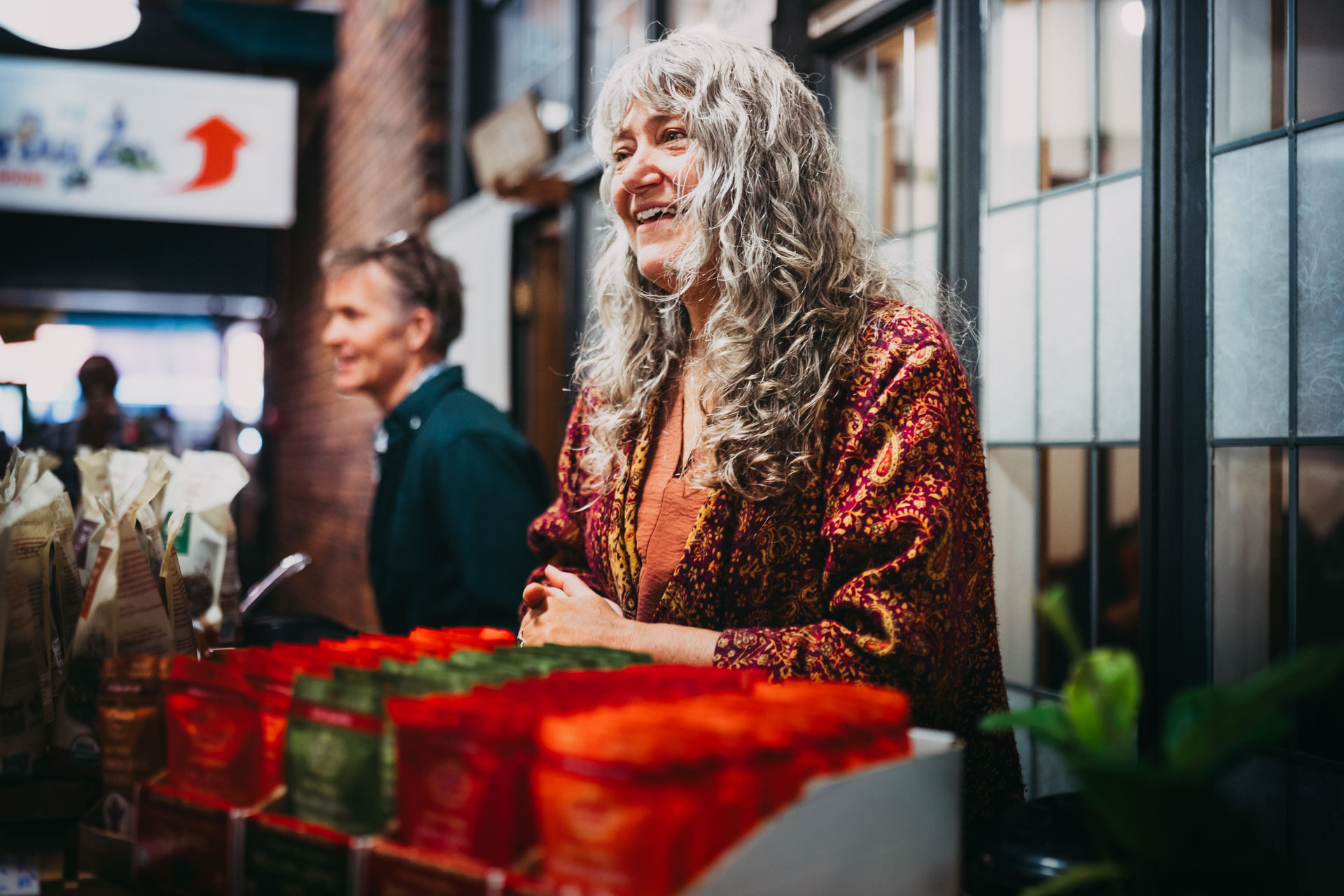
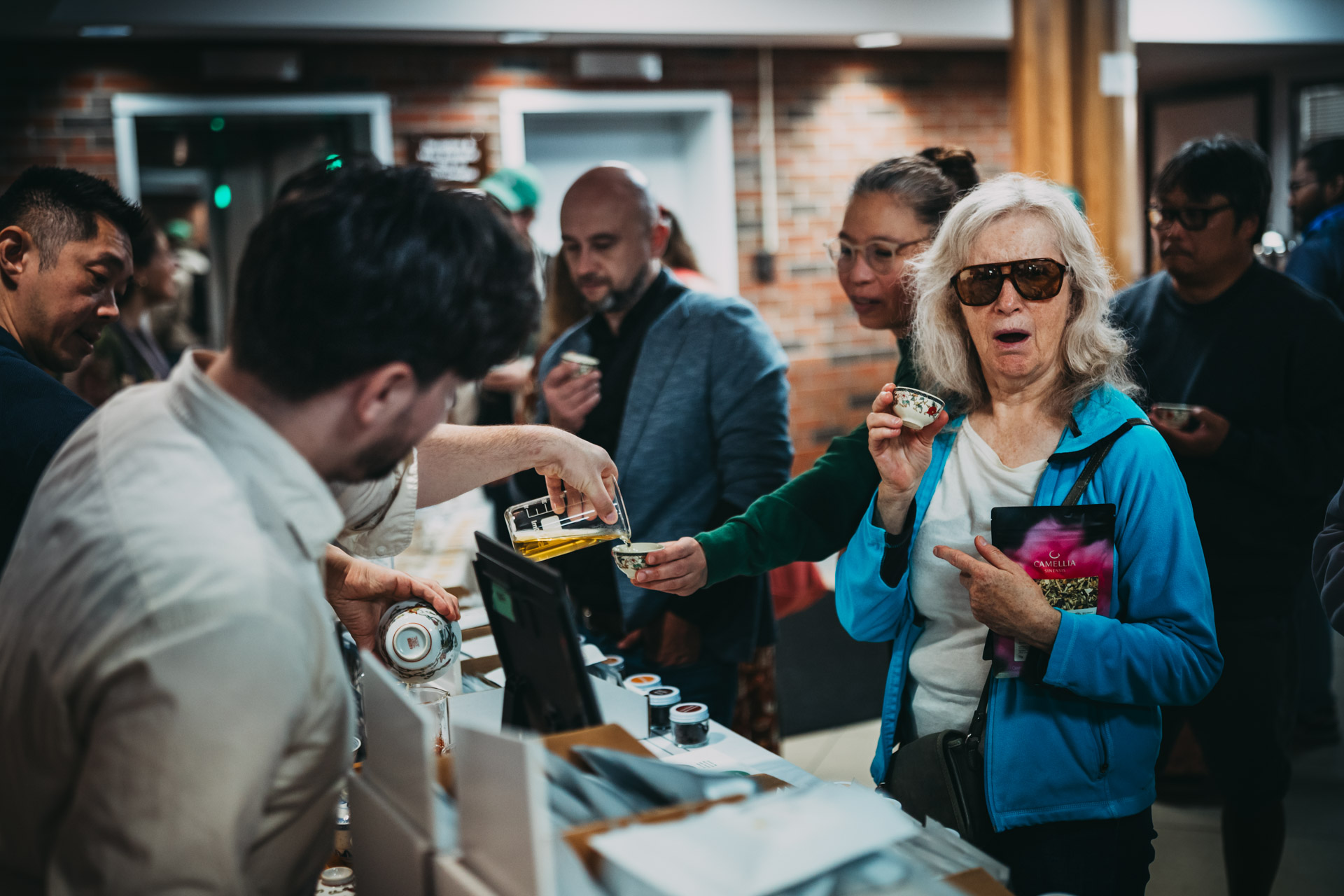
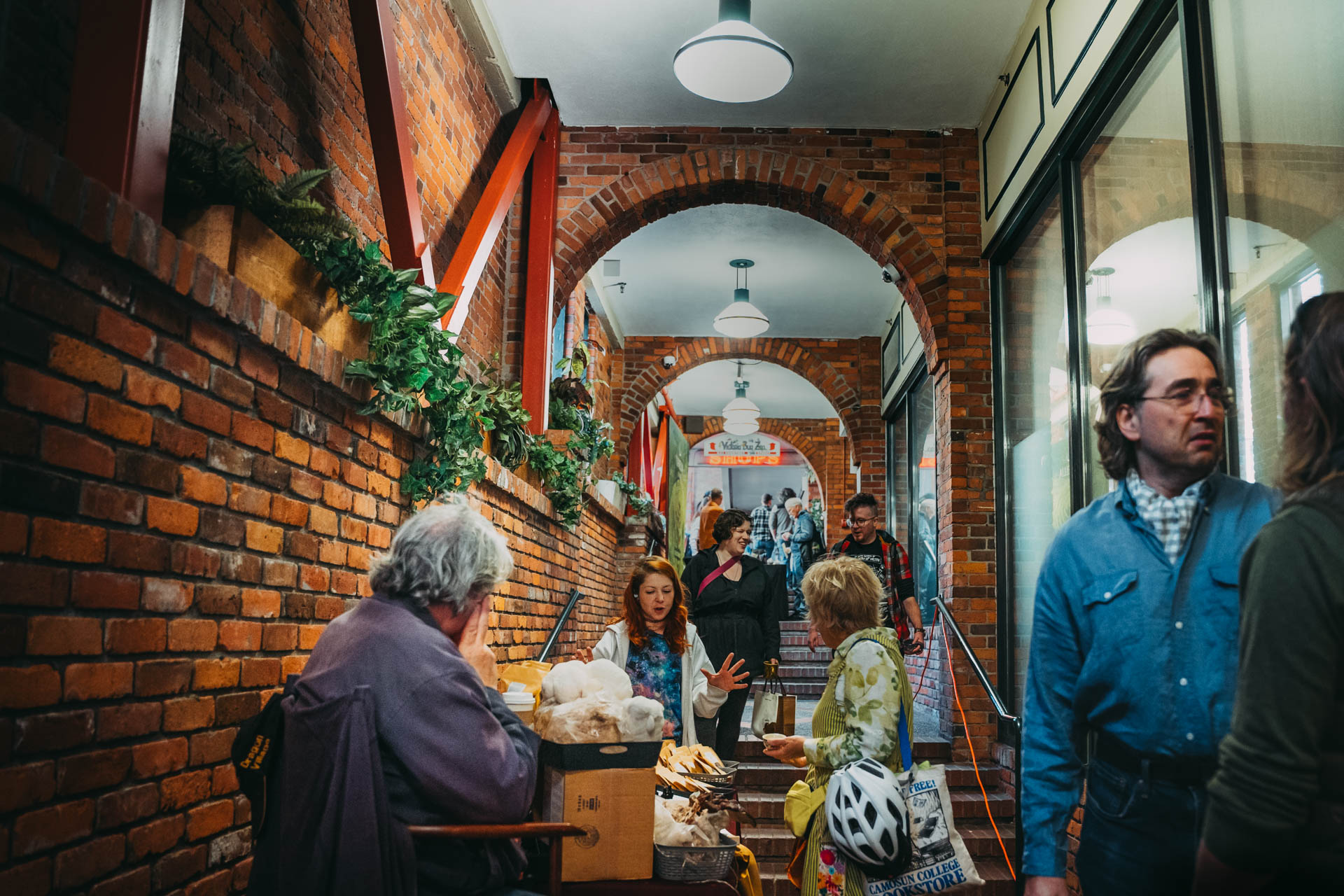
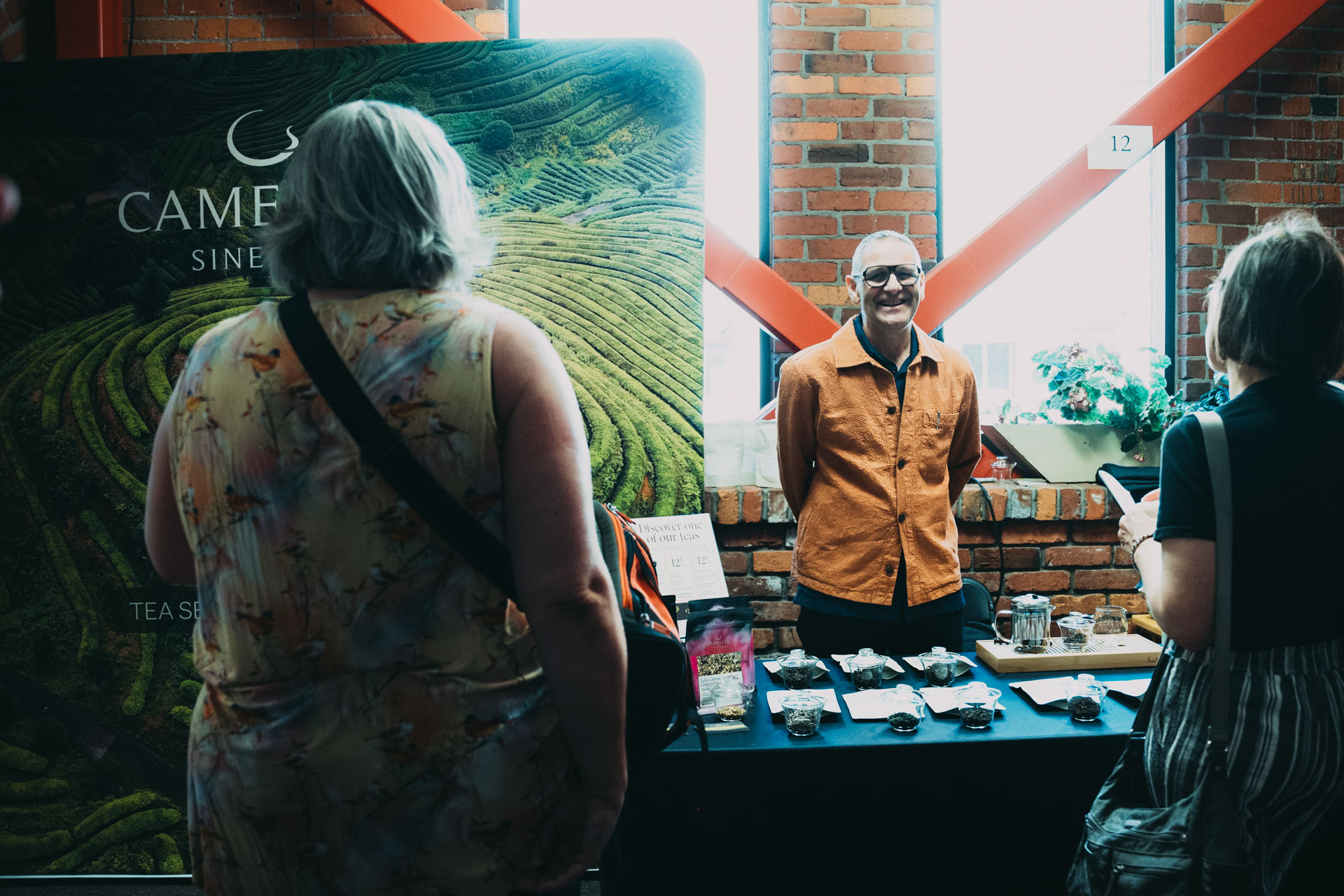
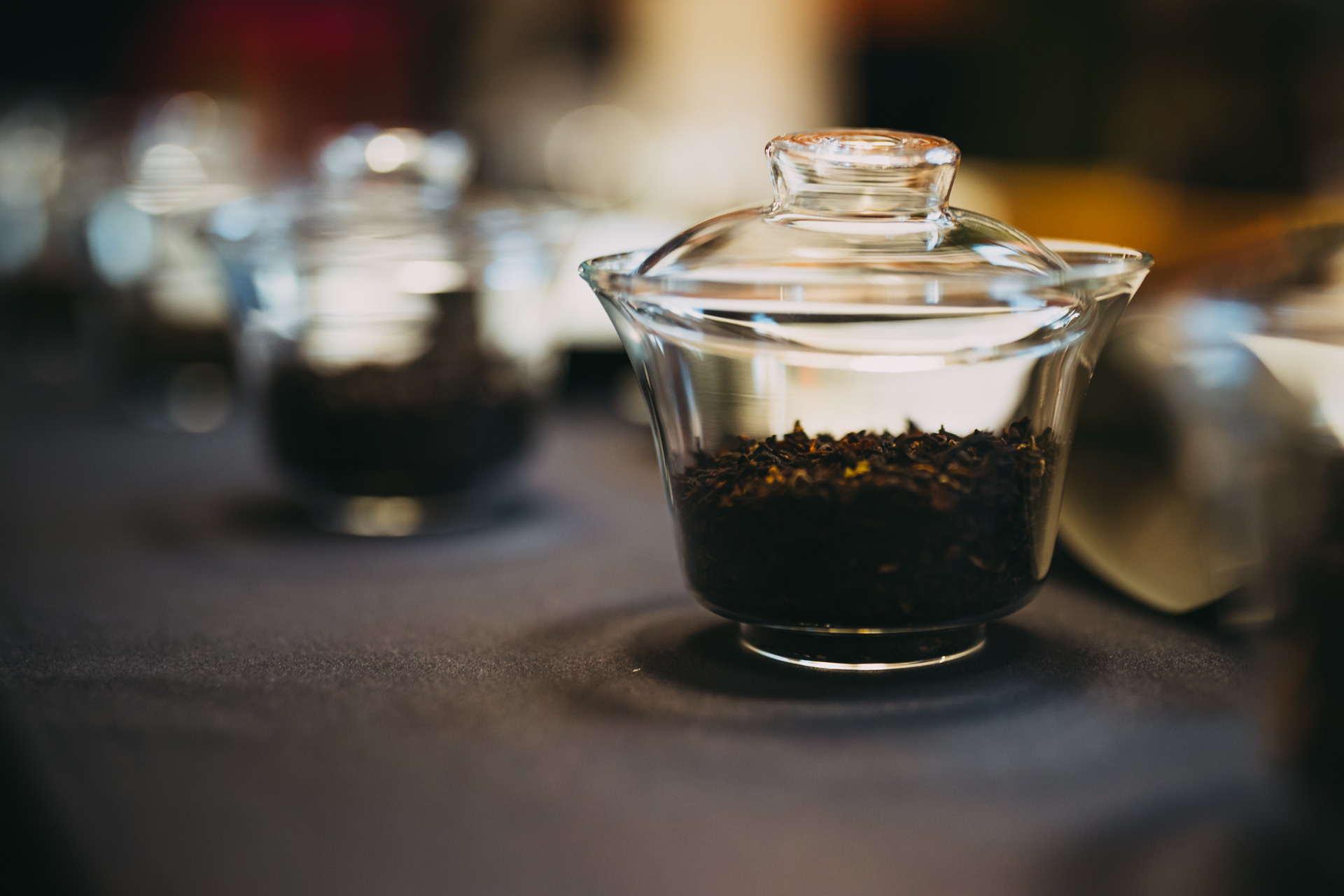
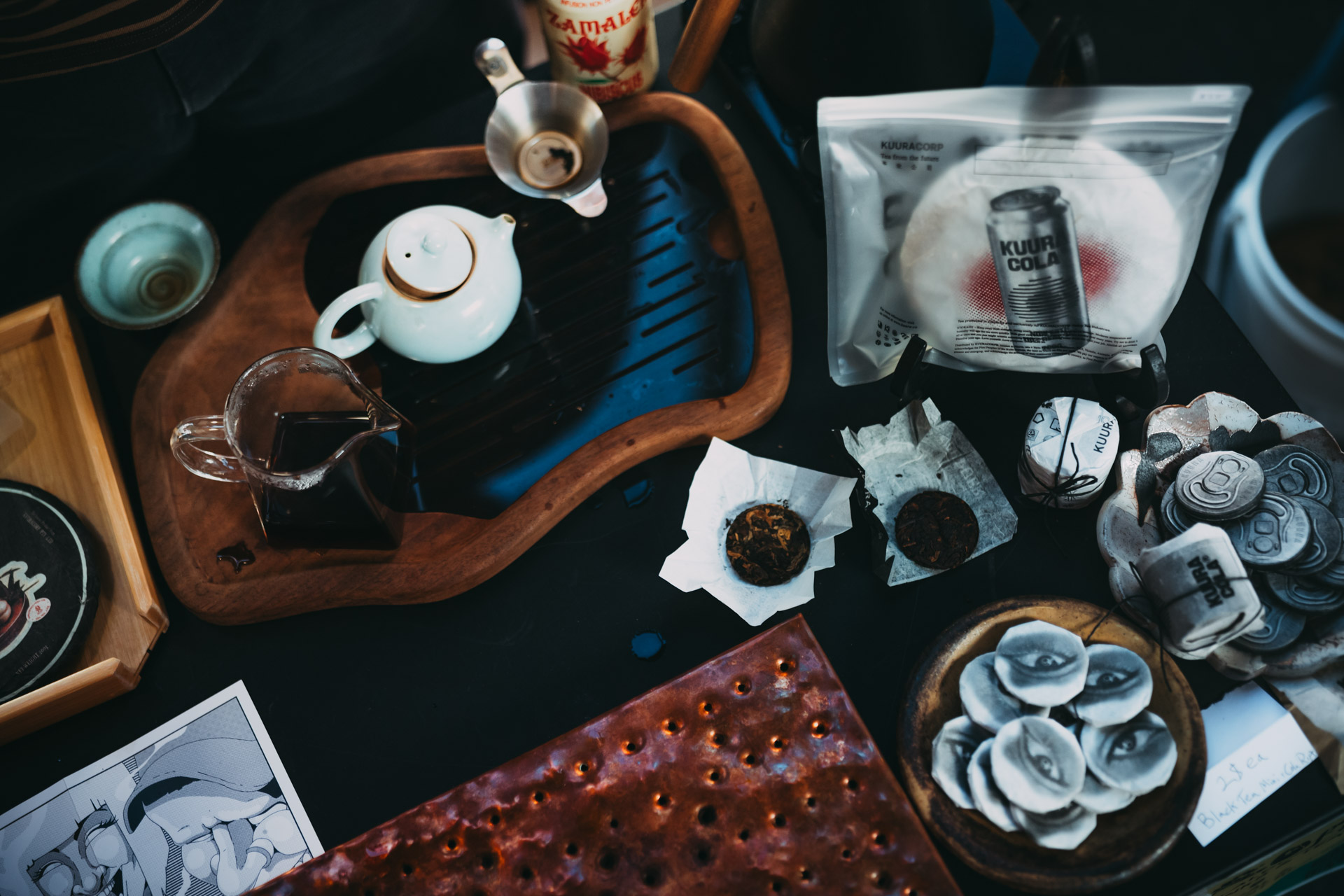
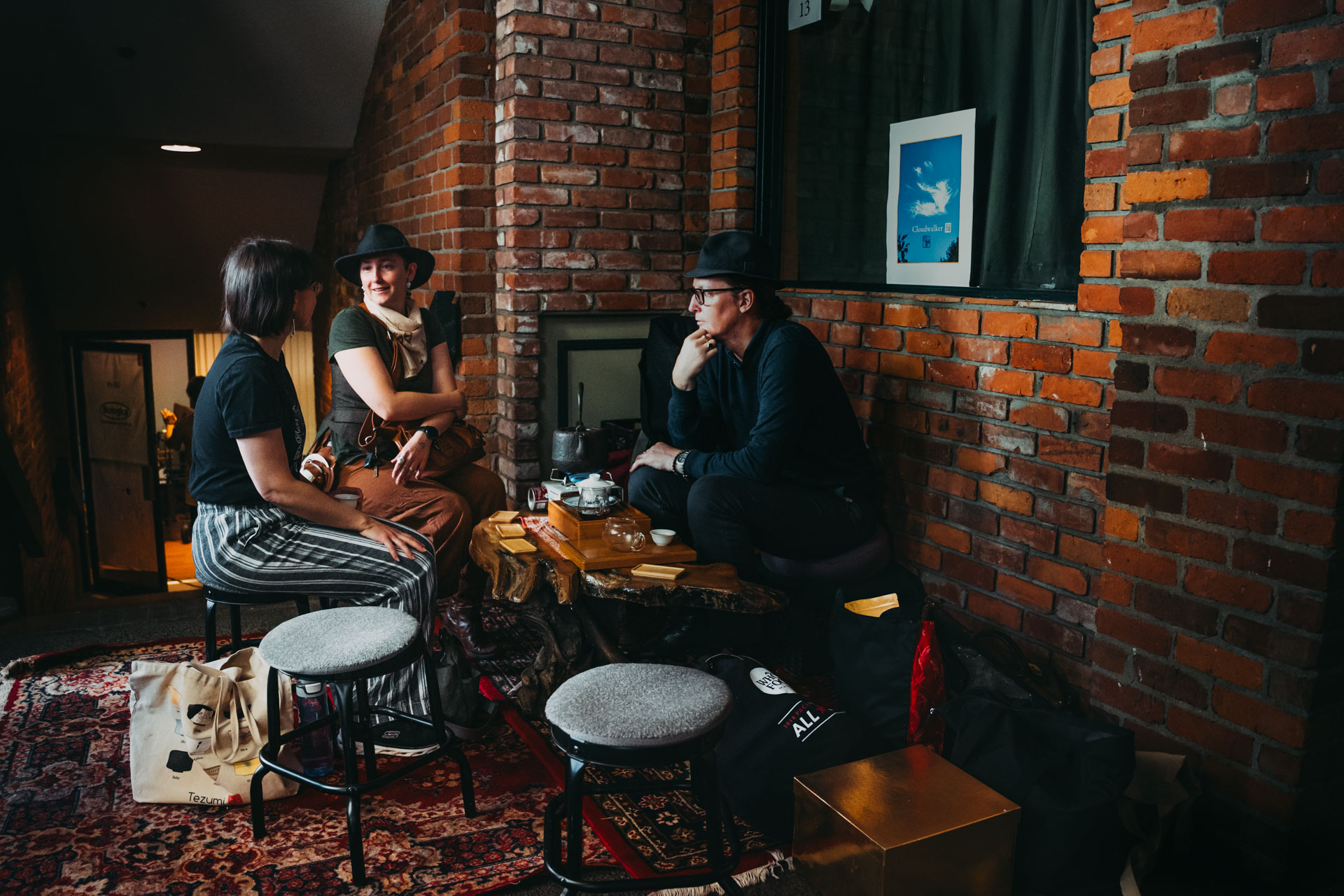
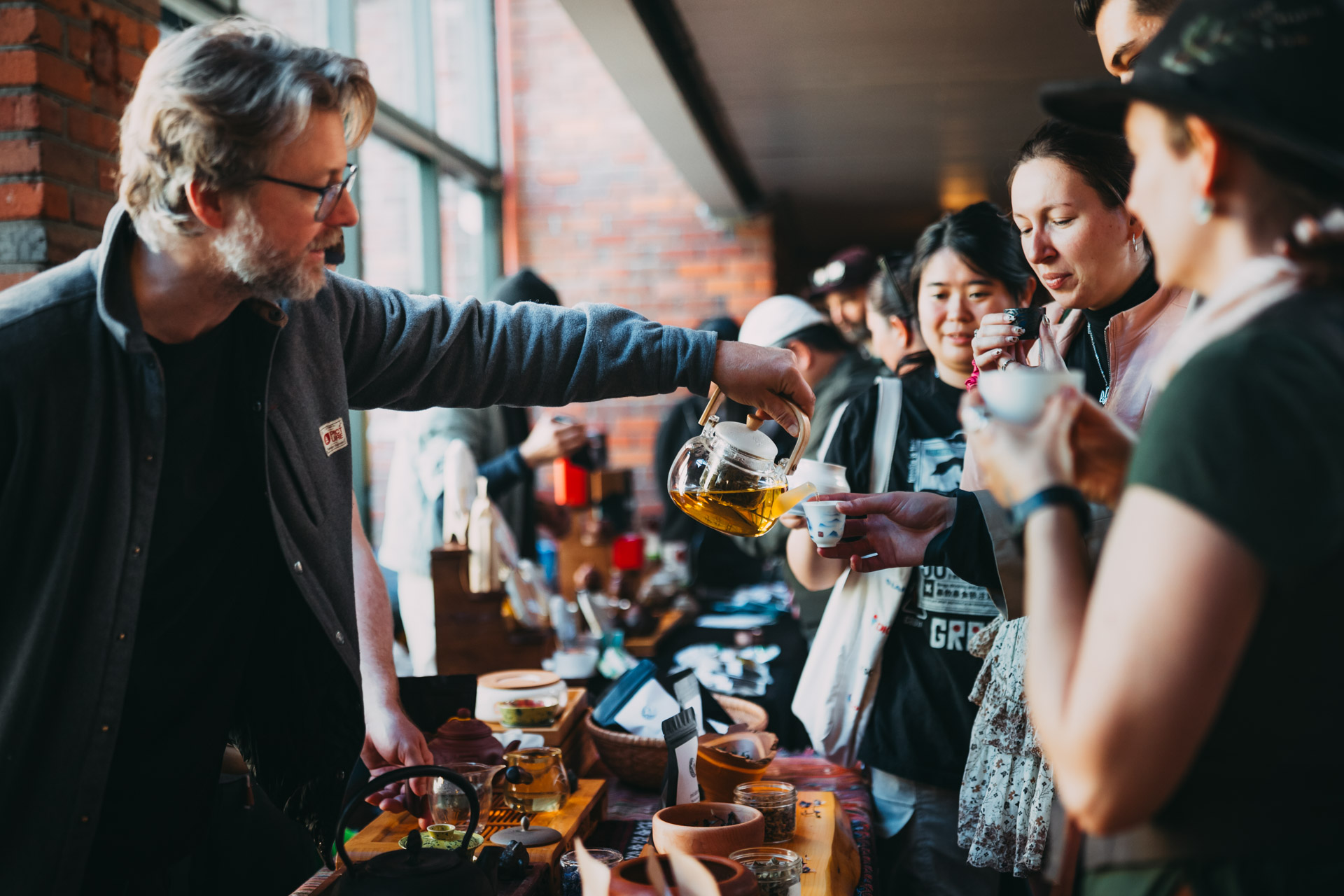
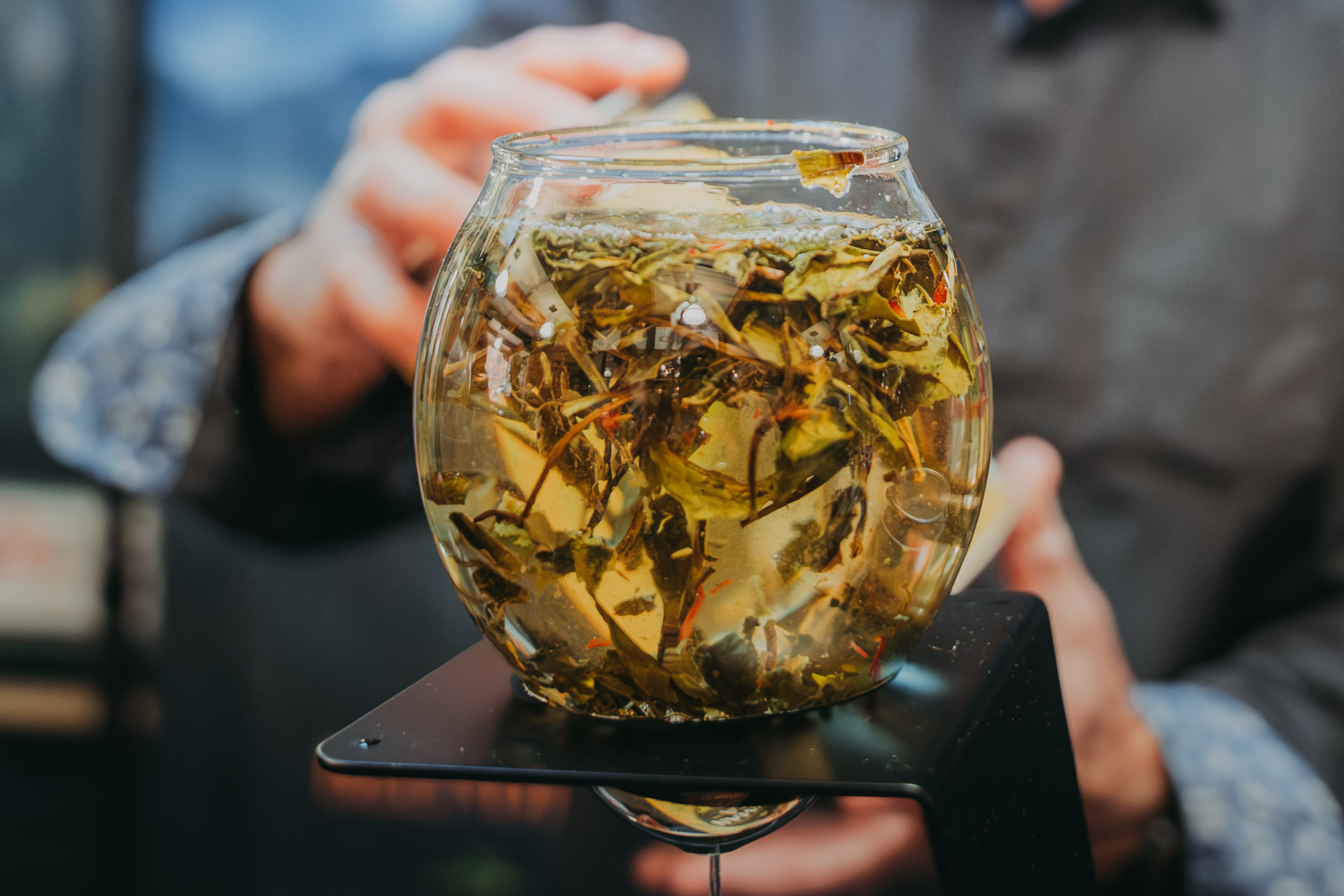
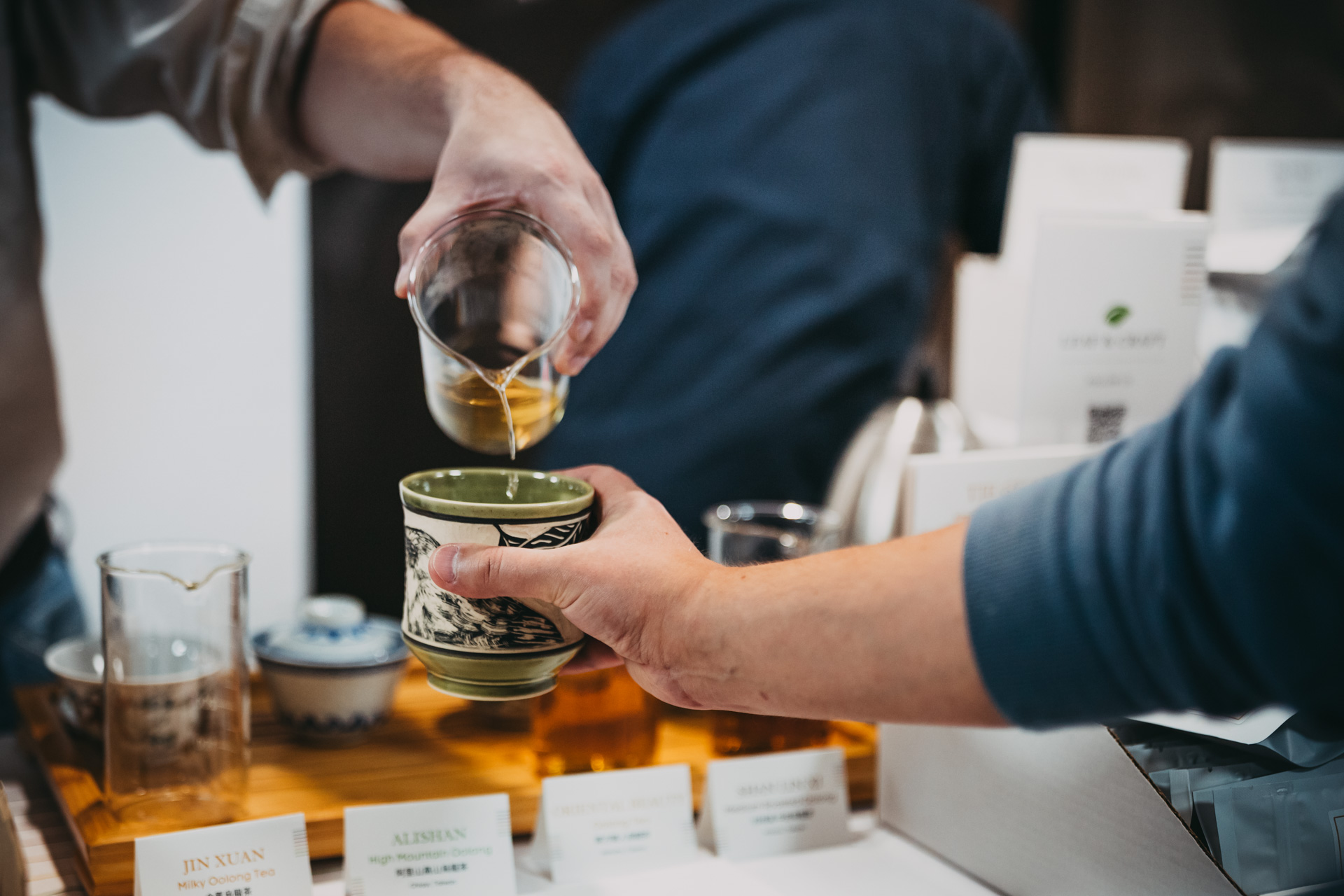
As visitors moved from one festival space to another — from demonstrations and exhibitions to workshops and discussions — tea tables awaited them, with vendors from across British Columbia offering samples of their teas. In the background, Aidan Thorne's live music flowed through the festival, blending naturally into its atmosphere. It was a chance not just to discover wonderful teas and buy them at producer prices, but also to meet the people behind them. Tastings easily turned into conversations, and conversations into new connections. Tea tables, conversations and live music came together to give the festival its relaxed and welcoming character, filled with a special warmth and a distinctly homey charm.
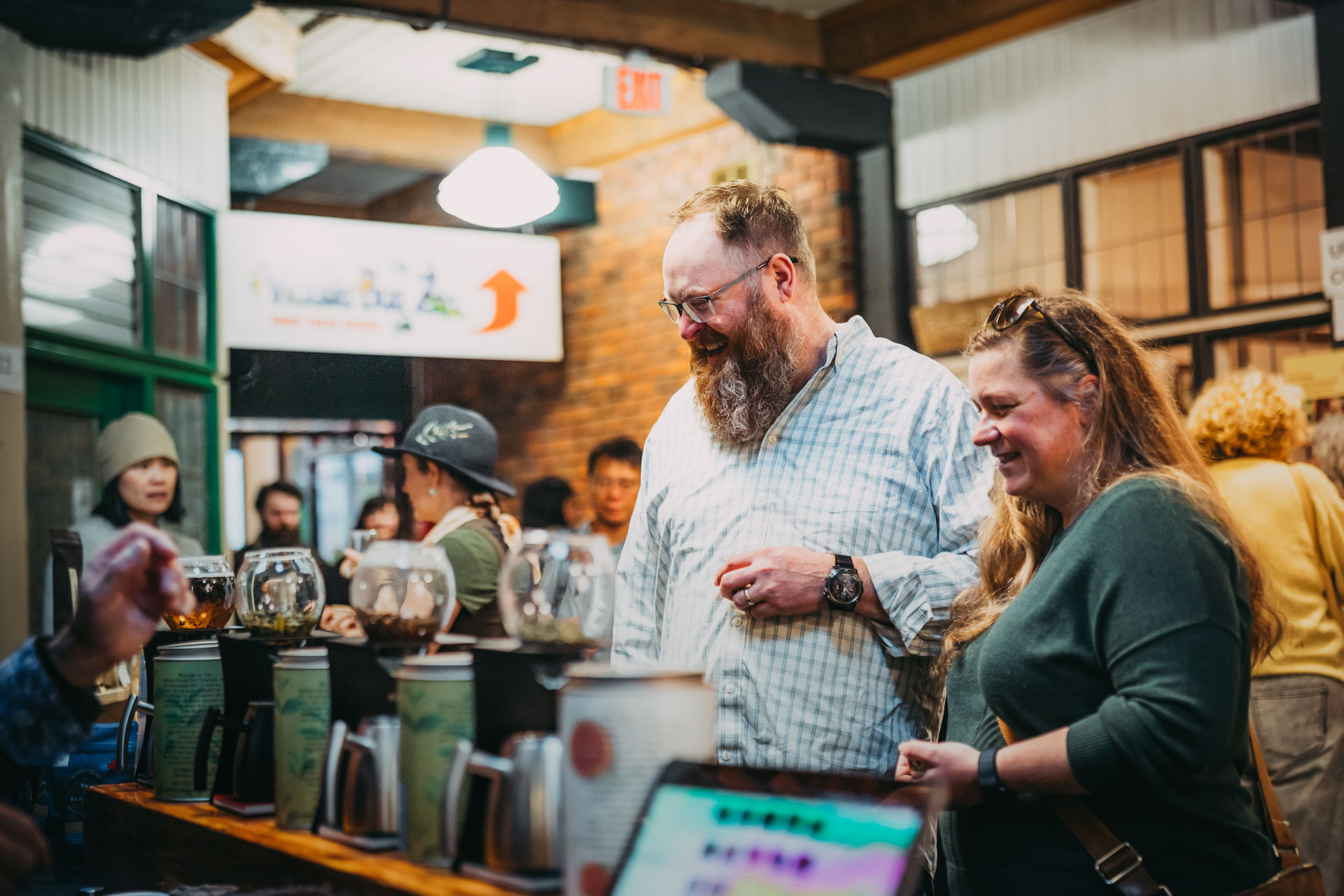
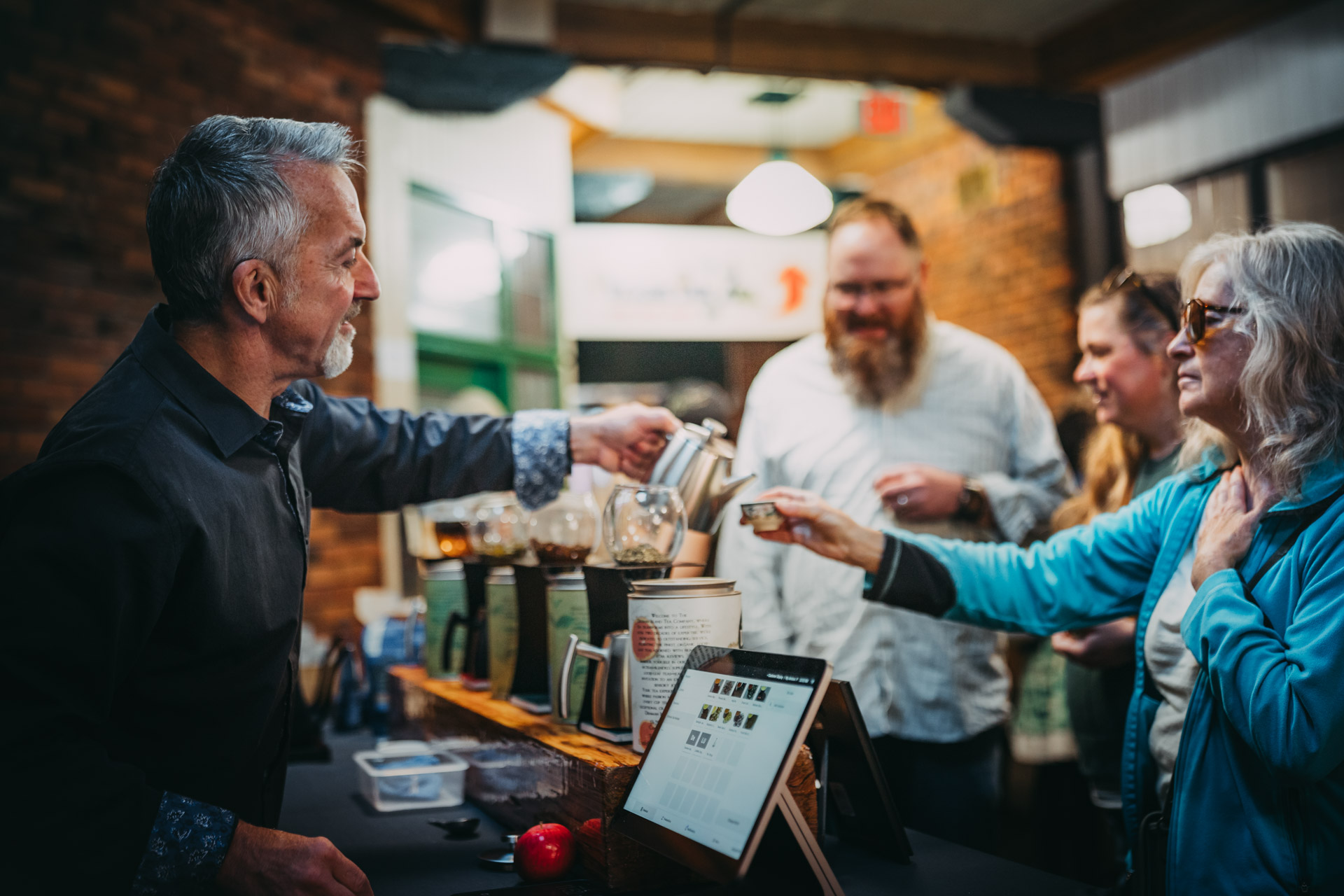
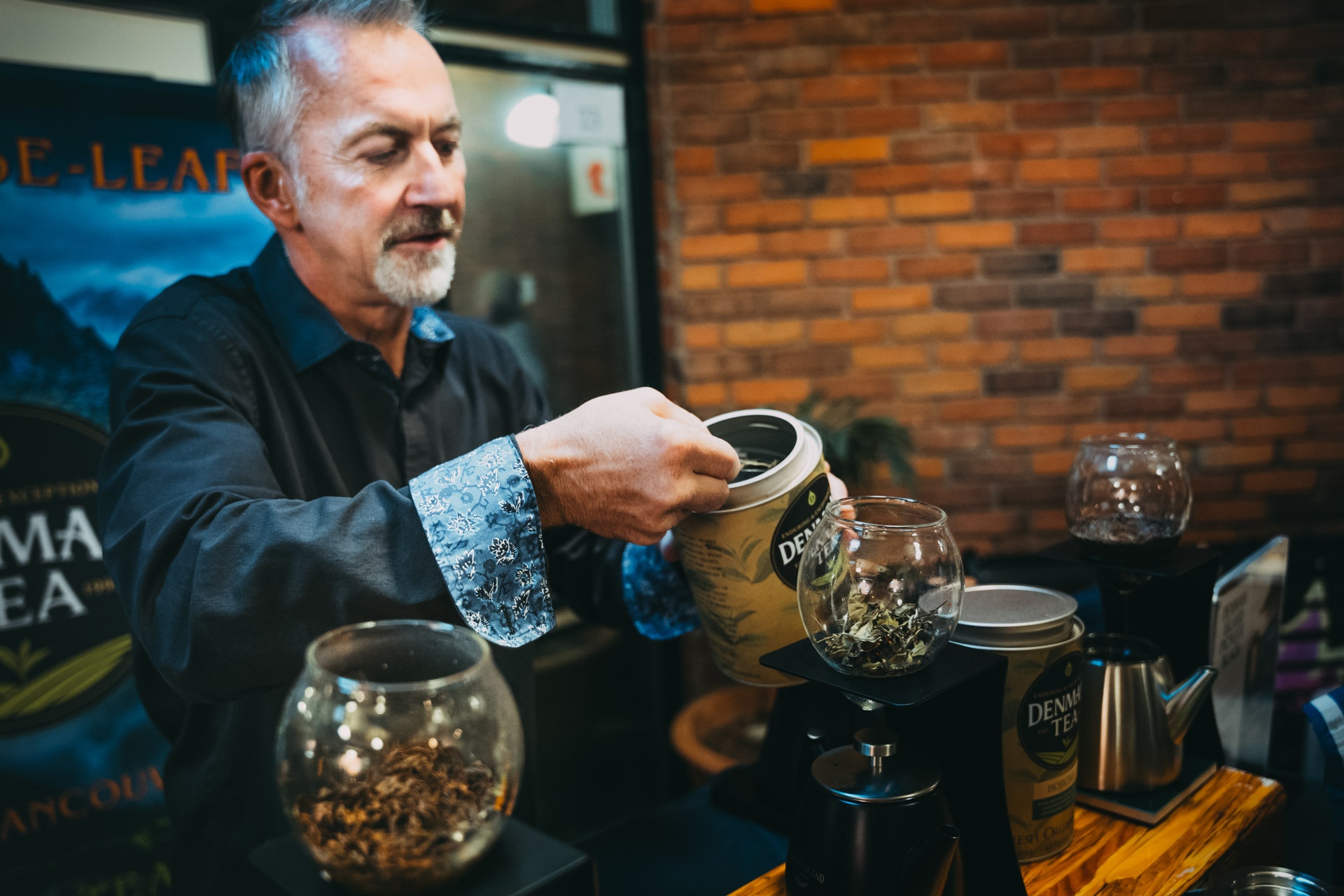
The 11th Victoria Tea Festival Revival showed that tea culture in the capital region is much more than a curiosity for tourists. It is a living culture, sustained by people who never stop exploring the world of tea, practising its traditions and, most importantly, sharing their knowledge and passion with others. Different teas, different traditions and different personal journeys — all came together over tea.


