
For more than eight millennia, humanity has revelled in wine. And as long as the earth and the sky, and people beneath that sky upon this earth, the tradition will live on. Not every place under the sun is destined for winemaking. To make it so, the stars must align, and several conditions must come together.
First of all – climate – there must be enough warmth for the grapes to ripen, but without extreme heat. Soils are also needed – well-drained and mineral-rich – as this has the greatest influence on the taste of the wine. Proper climate and soils must come together on the appropriate terrain, creating an optimal microclimate on slopes or valleys, near a river or the sea. And, finally, the decisive human factor – traditions, technologies, infrastructure.
This is exactly how, and only how, all wine regions in the world have been formed. From the Caucasus, Mesopotamia, and the Near East, extending to Ancient Greece and Rome and the rest of Europe, and further – to the New World, particularly in North America. Thus the winemaking tradition has reached British Columbia and Vancouver Island.
Pioneers of the Vine
The first attempts at winemaking on the island began as early as the 19th century, but those early experiments did not yield consistent results — the climate and soils proved challenging for traditional European grape varieties. It was only at the end of the 1970s that the first wineries appeared, producing wine from grapes specially adapted to the local cool climate.
The first recognized winery was Zanatta Winery in the Cowichan Valley, founded in the 1980s, which was the first to release wine made from locally grown grapes, thus marking the beginning of commercial winemaking on the island.
Known as ‘Warm Land’ by the First Nations, the valley’s maritime-Mediterranean climate — with warm, dry summers and mild, wet winters — along with its proximity to the coast and diverse soils of glacial sand, stone, clay, and loam, create a unique terroir. It is this unique combination of climate and soils on the slopes of the surrounding mountains and in the Cowichan River valley, which flows broadly into the Salish Sea, complemented by the work and inspiration of island pioneers, that has created the Cowichan Country wine region.
Over the past half-century, the local wine industry has developed and reached a world-class level, with the valley’s most renowned wineries including Averill Creek, Zanatta, Cherry Point, and Enrico.
In 2020, the Cowichan Valley became an official wine subregion of Vancouver Island.
The Vine’s Awakening
This was preceded by wider recognition that the wine region gained at the turn of the century. It was then, in the early 2000s, that the Cowichan Valley Wine Festival was held for the first time, organized by the non-profit association Cowichan Wineries Society.
The Cowichan Valley Wine Festival is a wine route offering meetings with winemakers, introducing visitors to the culture, and providing an opportunity to experience the valley’s unique atmosphere. The festival has been running for a quarter of a century. Each year, the number of participating wineries, events, and visitors grows — including both wine connoisseurs and those wishing to immerse themselves in the local wine tradition, perhaps for the first time, but certainly not for the last.
Traditionally, the festival, which runs throughout August, opens with the ceremonial Kickoff Party on the eve of the start, held at the Malahat SkyWalk. The famous treetop observation tower, offering panoramic views of the valley and the Salish Sea, serves tastings and light snacks accompanied by music in the evening light.
The festival itself takes place in a ‘passport-tour’ format — tickets are purchased online, confirmation is sent by email, and at the winery it is enough to show it on a smartphone to receive a souvenir glass and a festival map-passport, which serves as an entry to tastings at the wineries. Each winery marked in the passport places a stamp, and by collecting them all, participants can take part in a prize draw. It should be noted that some wineries require prior reservation, which should be taken into account when planning the route independently. However, there are also limousine tours — visiting 3–5 wineries in a day with a professional driver and guide.
So, throughout August, in the Cowichan Valley wine region, located about a 45-minute drive from Victoria, just beyond the Malahat, an incredible, heady festival takes place. This year, 13 wineries are participating in the festival:
The winery is known for its minimal-intervention approach: whole-cluster fermentations foot-trodden and aged on the lees, with wild fermentation as standard. Nothing is added to the wines except a touch of sulphur just before bottling. All Averill Creek wines are unfined and unfiltered, preserving their natural expression.
The estate’s signature grape is Pinot Noir — one of the world’s great varietals, originating in Burgundy but beautifully adapted to the island’s northern climate. The purest expression of the winery’s philosophy is the 2022 Somenos Pinot Noir. Fermented in a six-ton French oak vat and aged in traditional French oak barriques, with gentle punch-downs up to three times a day as needed, this whole-cluster, unfiltered Pinot Noir shows freshness, elegance, and a subtle, savory spice.
Beyond the estate tasting room, Averill Creek wines can be found in wine shops and restaurants across Vancouver Island and mainland British Columbia.
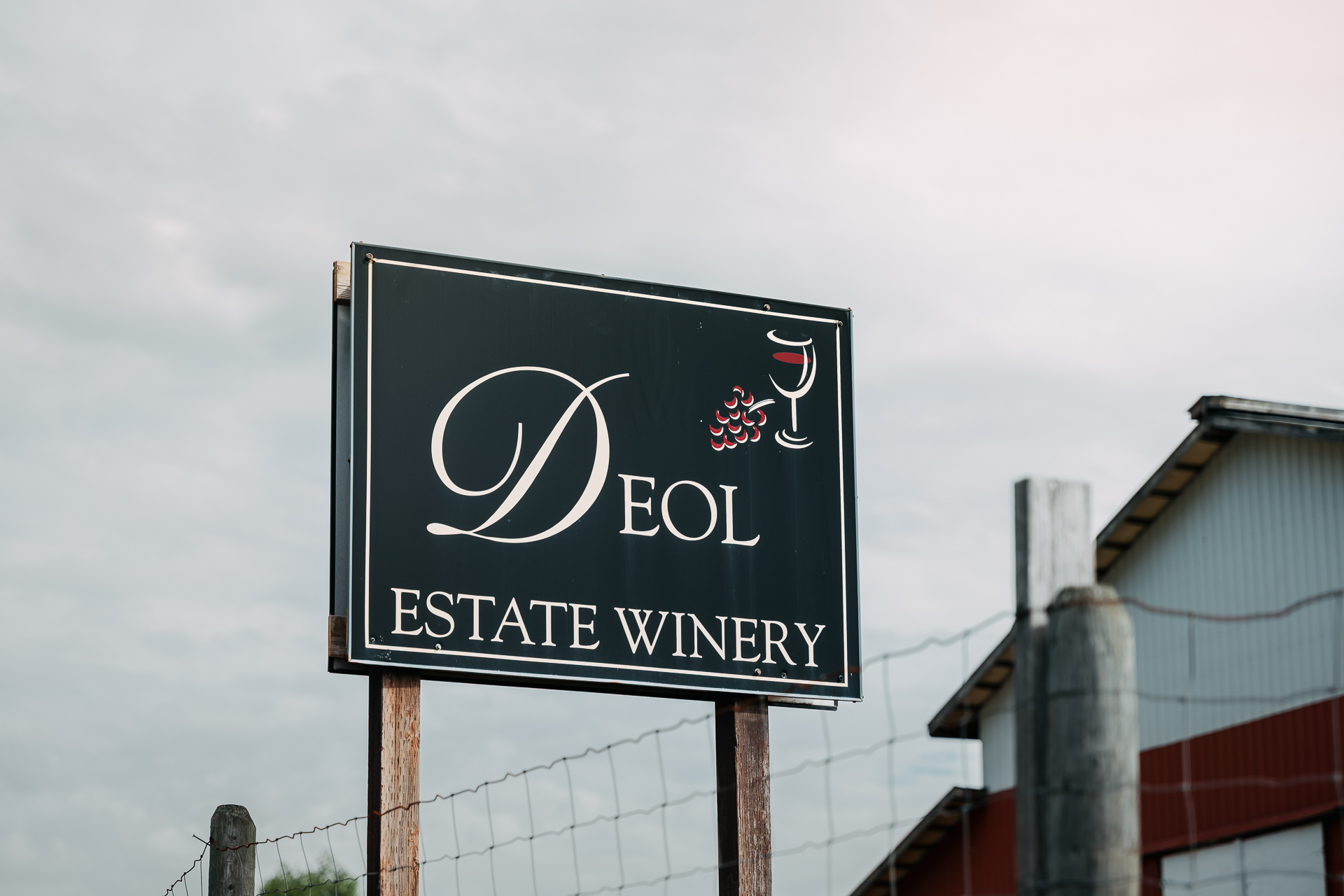
In 1999, the Deol family bought a 32-acre dairy farm on Somenos Road in North Cowichan, which they transformed into a vineyard. Today, Deol Vineyard encompasses 18 acres under vine, planted with eight grape varieties, the primary being Pinot Gris, Pinot Noir, Maréchal Foch, and Gamay Noir. At first, the family sold their grapes to other local wineries, but in 2008 they released their first vintage under their own label.
The winery produces a Blanc de Noir (white), Somenos Red, and a Gamay Rosé. A standout is the 2021 Gamay Rosé — a late-harvest wine, cold-soaked for 48 hours, with notes of ripe cherry and fresh wild raspberry, and a striking “midnight rose” hue. These approachable, budget-friendly local wines can often be found at community farmers’ markets and local events.
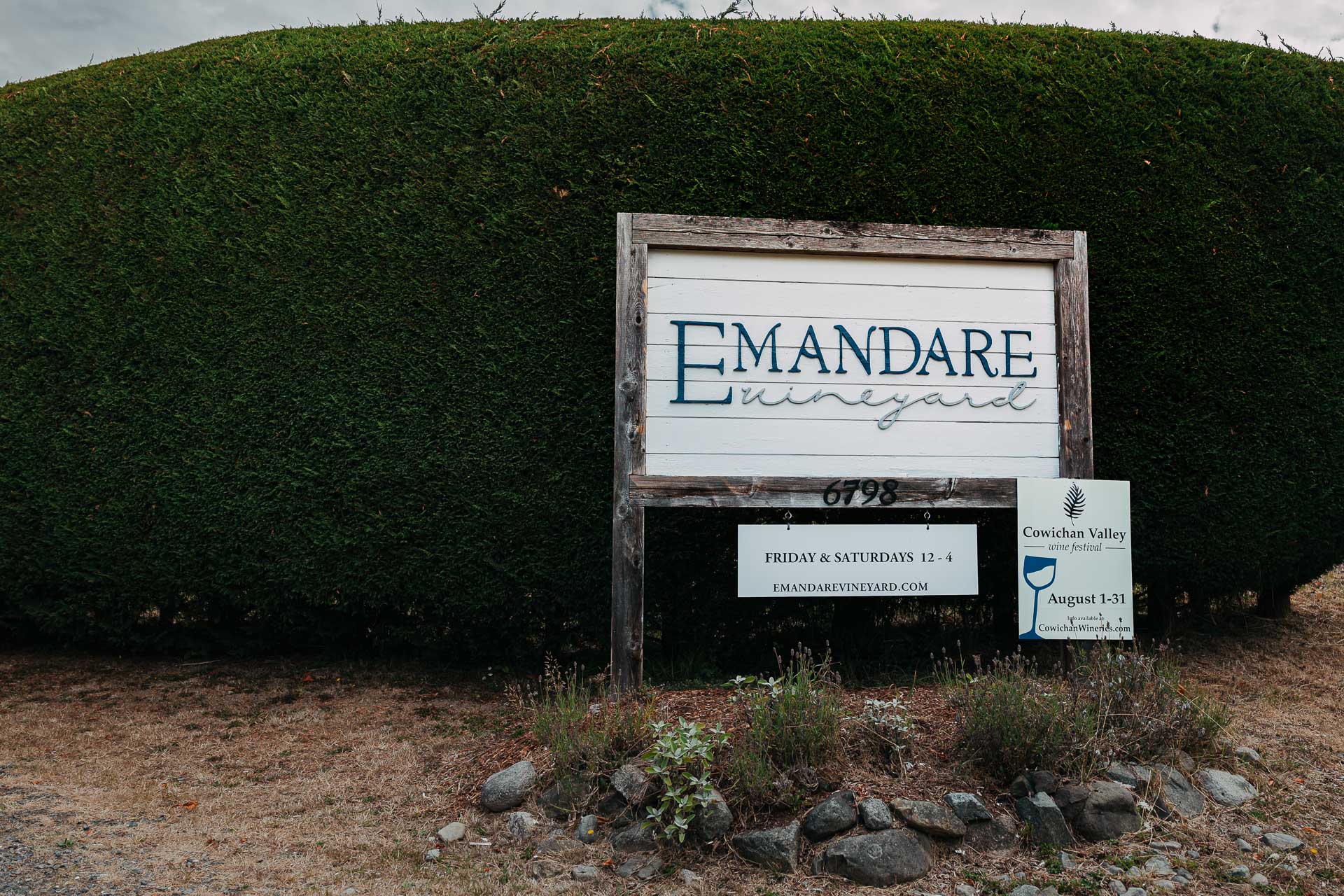
In 2013, the couple purchased the neglected 8.5-acre Fleurie Vineyard, set in the rain shadow of Mount Prevost’s southern slope with sweeping views of Somenos Lake. With a deep commitment to soil health, they brought the land back to life using natural methods: mulching, wood chips from pruning, and cover crops in place of chemicals.
Following an Old World, low-intervention philosophy, Emandare is a true estate winery, crafting wines solely from their own vines. “Grapes are grown, not made,” is their guiding belief. Since 2014, all wines have been naturally fermented without added yeasts, aged in neutral French oak, and bottled unfined and unfiltered — letting the vineyard’s character shine.
Their portfolio spans rosé, red, white, and sparkling wines, with standouts including the 2023 Estate Maréchal Foch, the 2022 Blanc de Blancs (traditional method), and two elegant Pinot Noirs: 2023 Wolff and 2023 Estate.
To complete the experience, the property also offers the Tractor Shed Guest House — a welcoming retreat for up to six guests, featuring a BBQ, hot tub, and vineyard-view terrace.
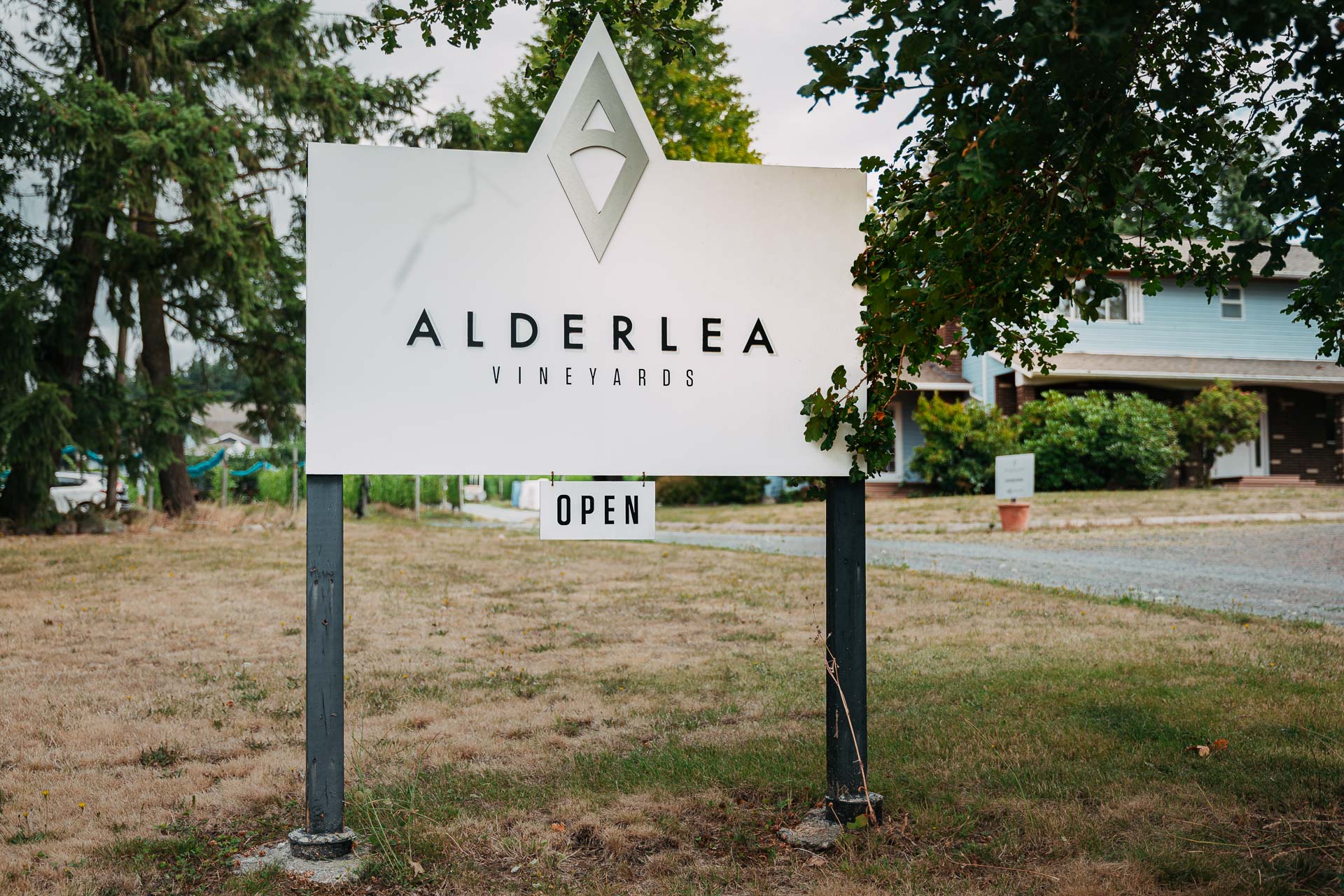
Zac and Julie have embraced a path of low-intervention, sustainable viticulture, producing vegan wines free from pesticides and herbicides. Their approach relies on natural pest control (beneficial insects), water recycling, wastewater filtration, and smart irrigation with sensor technology. Even the vineyard tractor runs on biodiesel made from recycled restaurant oil.
The winery is open for visits year-round, but by appointment only, ensuring a personalized and intimate experience for guests.
Alderlea produces vegan wines crafted with low-intervention fermentation, passive cooling, and minimal energy use. Their portfolio includes classic whites — Bacchus, Pinot Gris, and Sauvignon Blanc (one of the few producers of Bacchus on the island) — as well as reds, including Pinot Noir, Clarinet (from Maréchal Foch), Merlot, and Matrix (a blend of Cabernet Foch, Merlot, and Cabernet Libre).
Their commitment to high standards has earned widespread recognition, with numerous awards highlighting the winery’s excellence — a list worthy of a dedicated article.
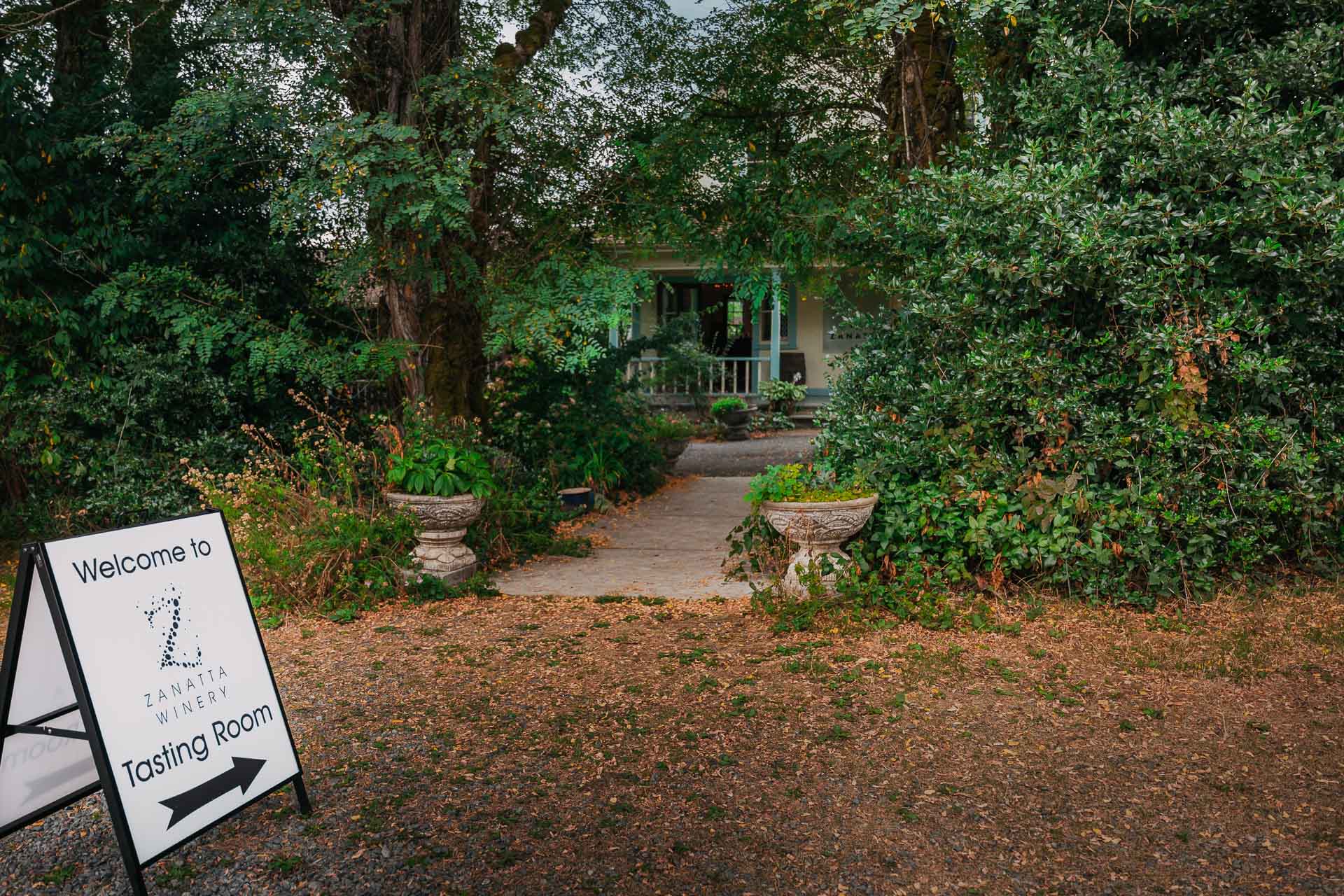
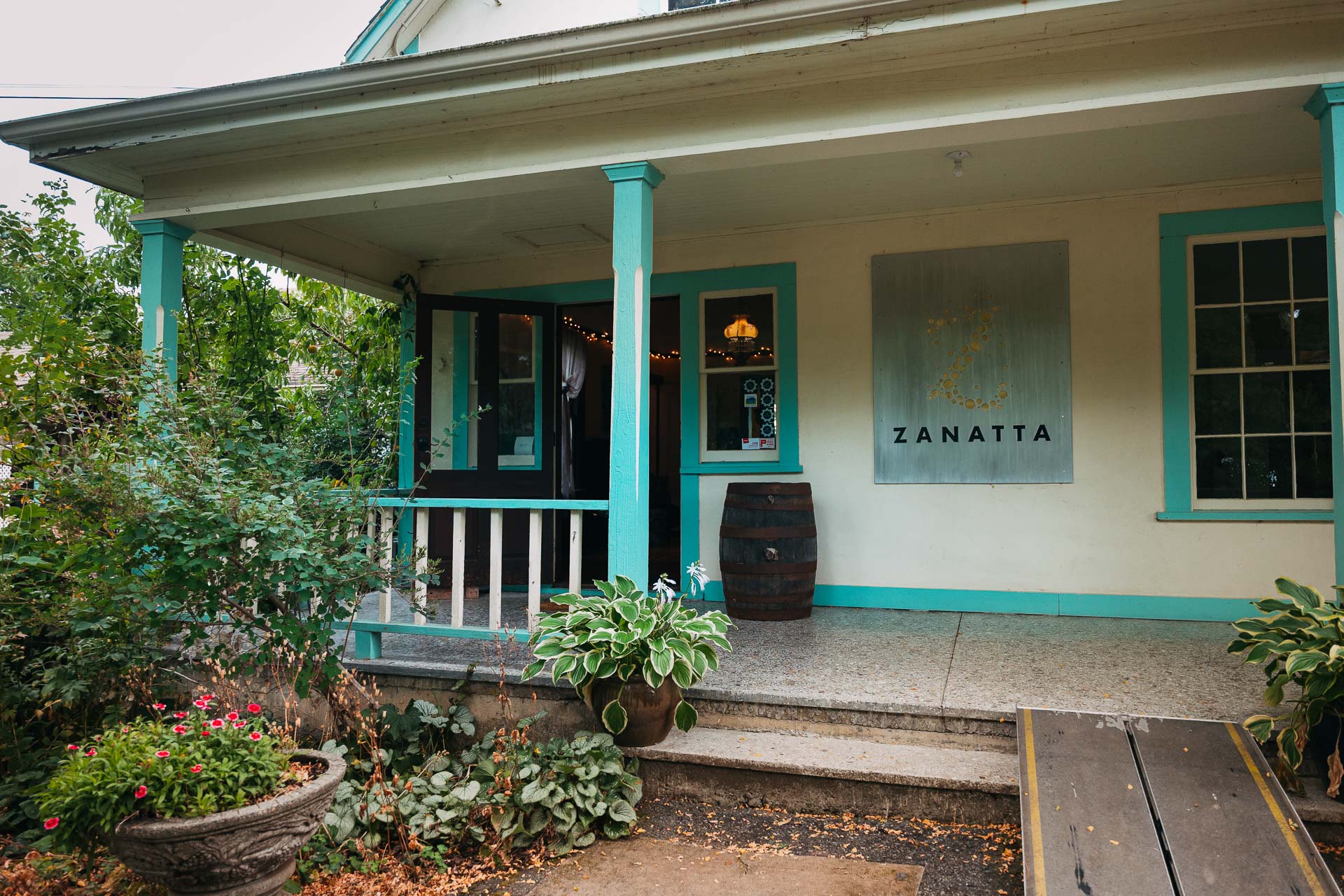
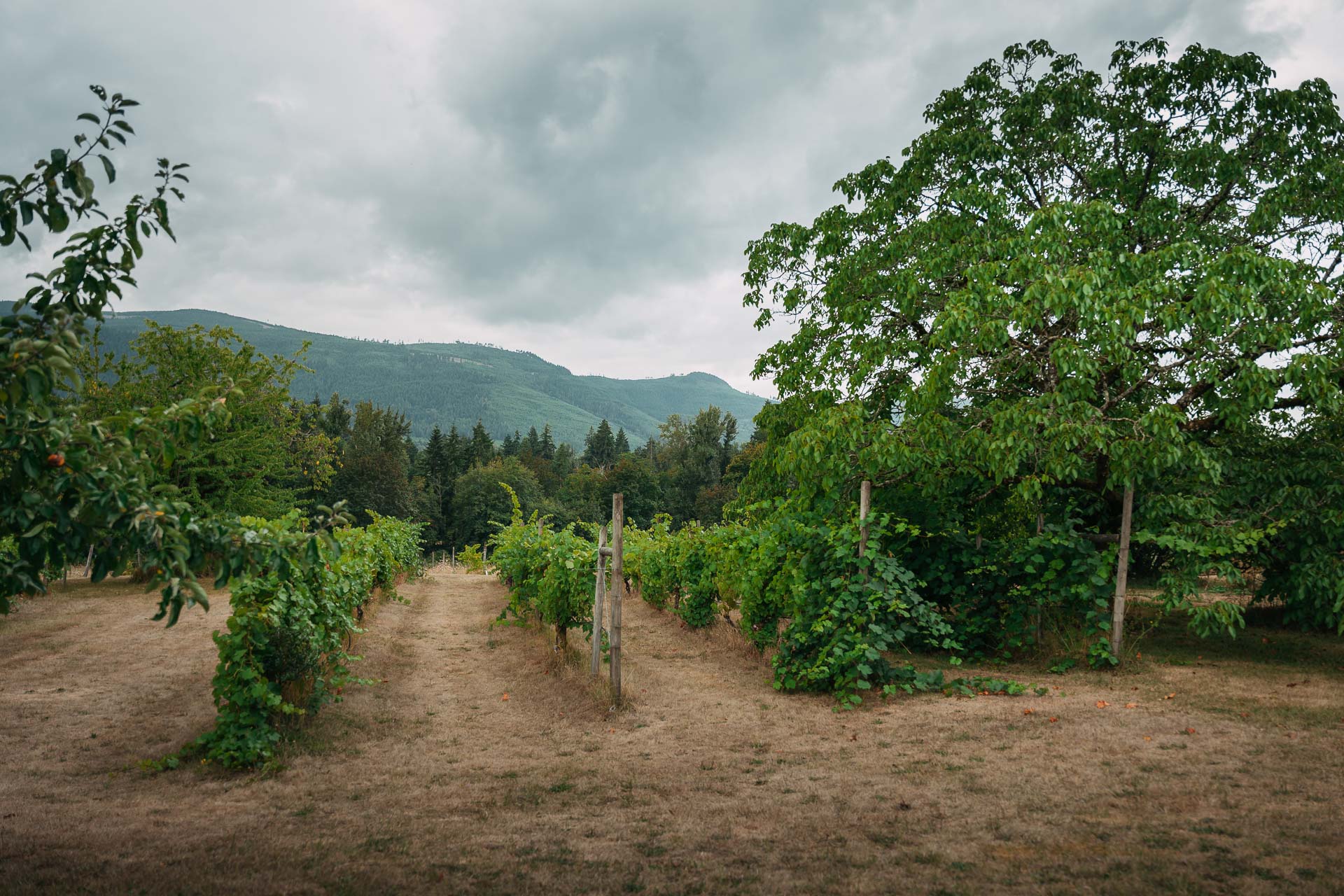
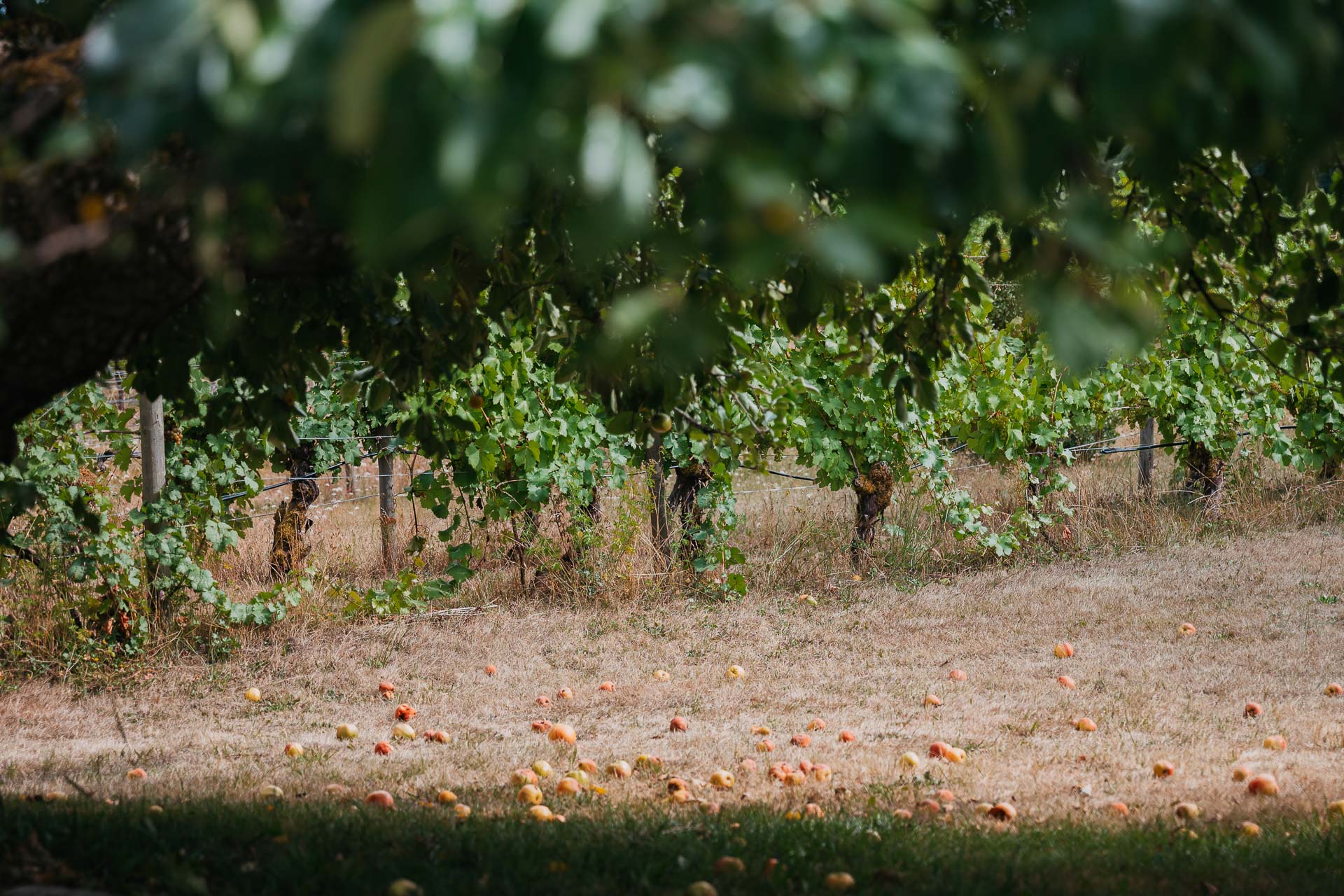
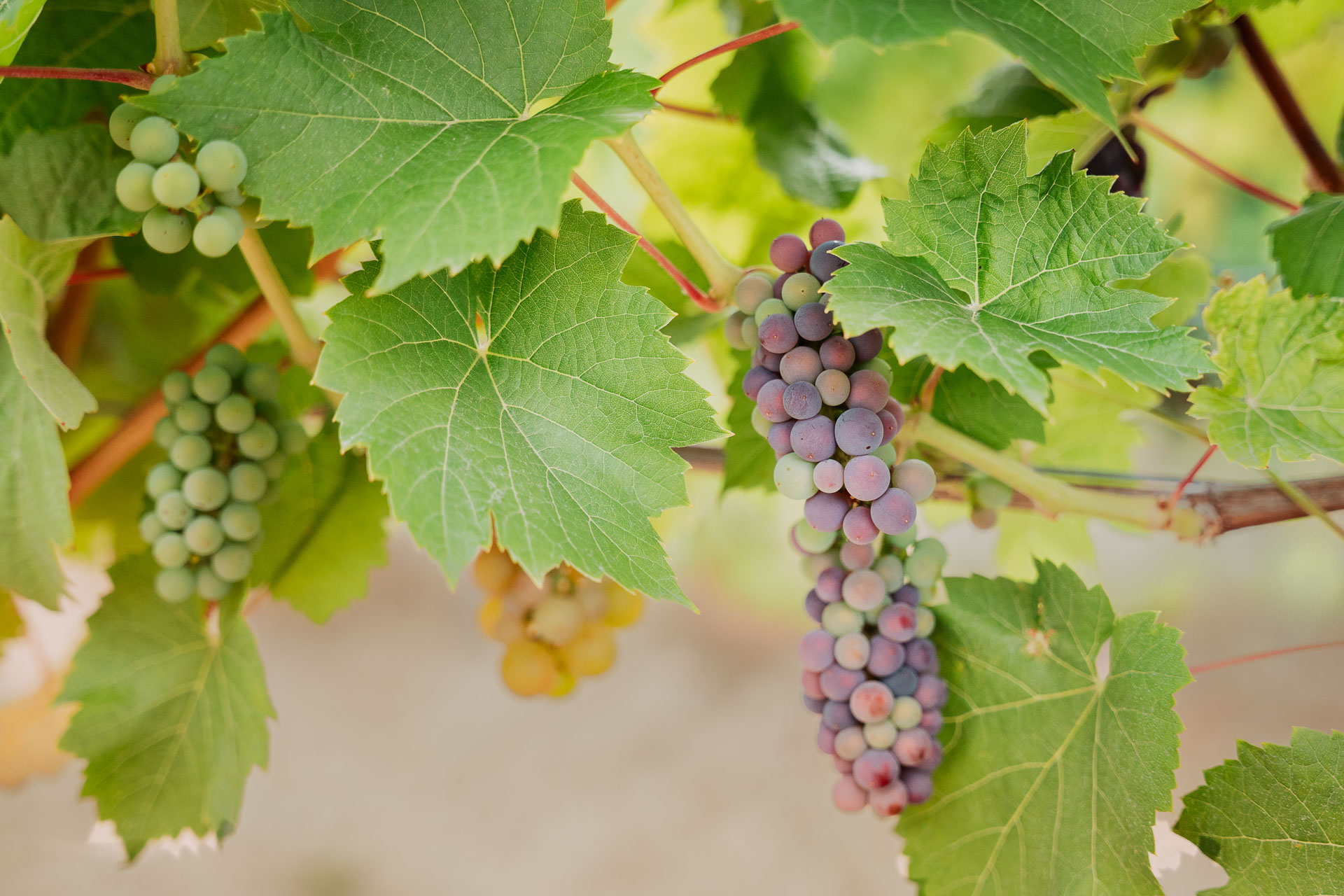
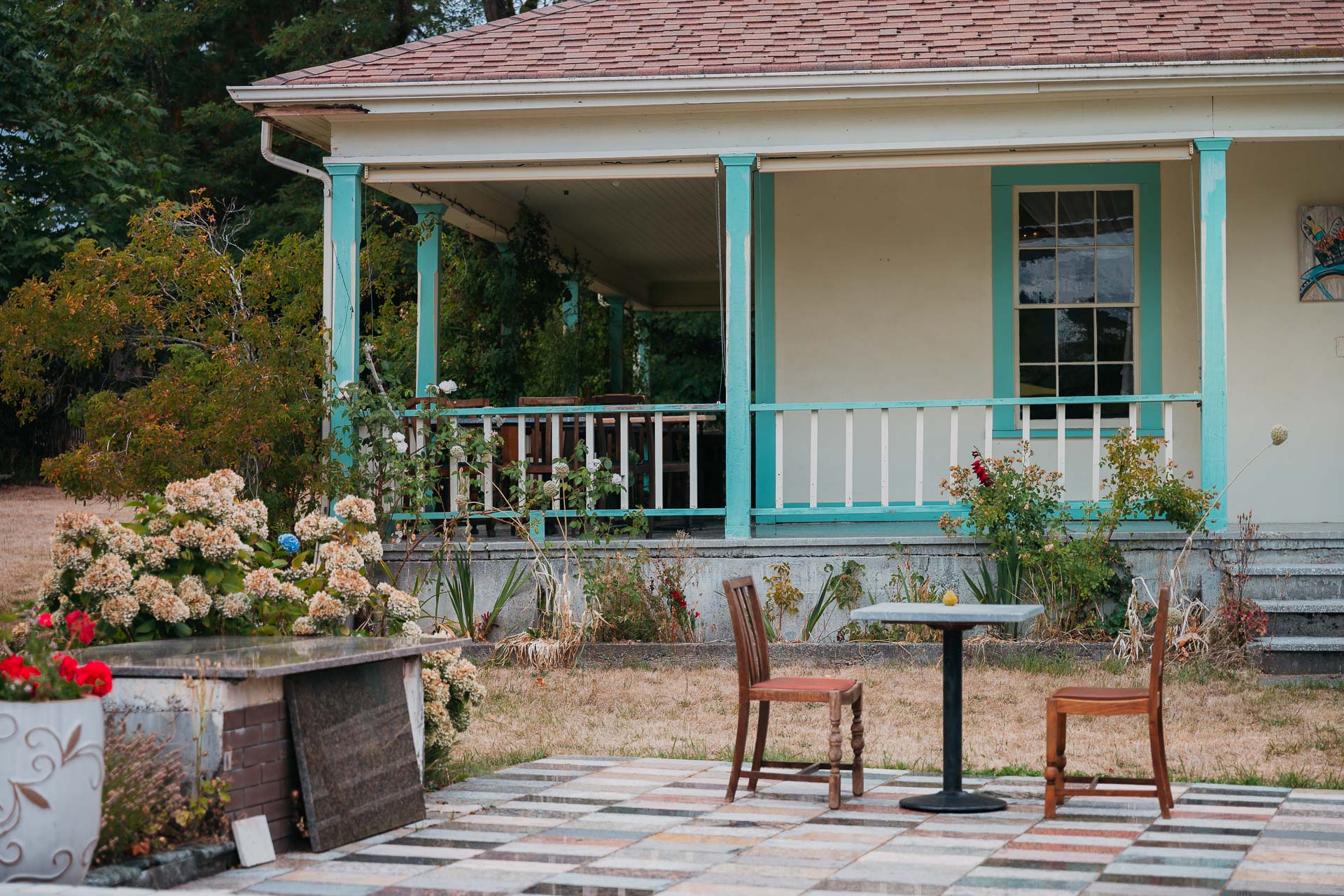
The Zanatta family arrived from Italy in the 1950s and initially focused on dairy farming before transforming their land into an experimental vineyard. In the 1980s, their project became part of the government-supported Duncan Project, helping to establish viticulture on Vancouver Island. As a result, Zanatta Winery became a pioneer in the region, experimenting with grape varieties suited to the island’s unique climate.
For over half a century, the winery has remained in the family - today it is run by Loretta Zanatta and her husband Jim Moody. Loretta joined the business after studying enology in Italy, while Jim has overseen winemaking since the late 1990s.
Zanatta is known for cultivating rare grape varieties such as Ortega, Cayuga, and Auxerrois, uncommon on Canadian wine lists. Key varietals also include Pinot Gris, Pinot Noir, Madeleine × Sylvaner, and Leon Millot, alongside over 30 experimental grapes. Signature wines include Sparkling Fantasia Brut, Damasco (a popular white blend), and Pinot Noir. Sparkling wines are crafted using the traditional méthode champenoise, with meticulous hand-riddling and dégorgement.
The winery offers an inviting, rustic tasting experience, framed by vineyard panoramas, historic buildings, and the charm of a 1903 farmhouse with a veranda and patio housing the tasting room. The wine shop and tasting room operate seasonally, typically from May to October. The winery also hosts weddings and private events, adding another dimension to its enduring appeal.
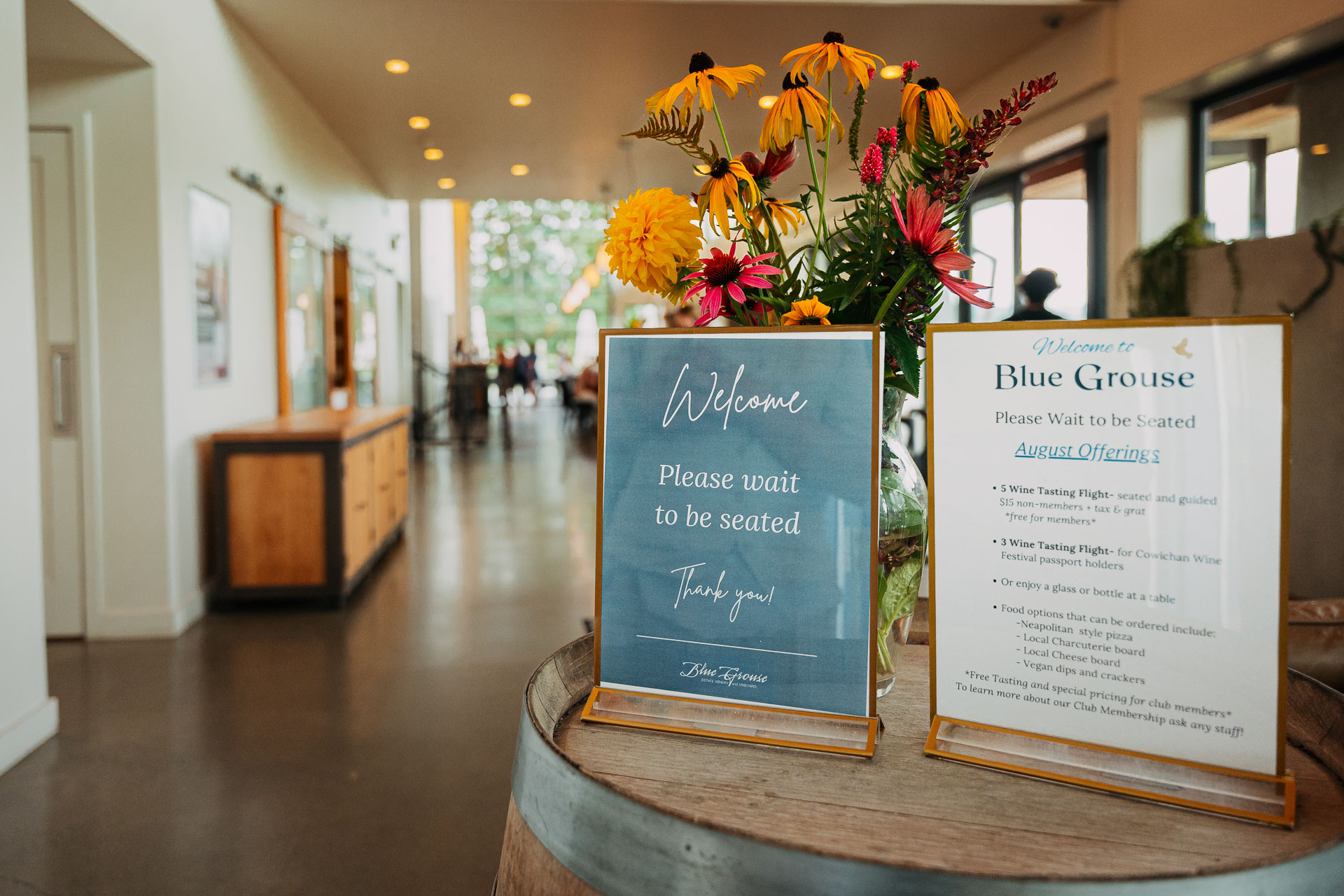
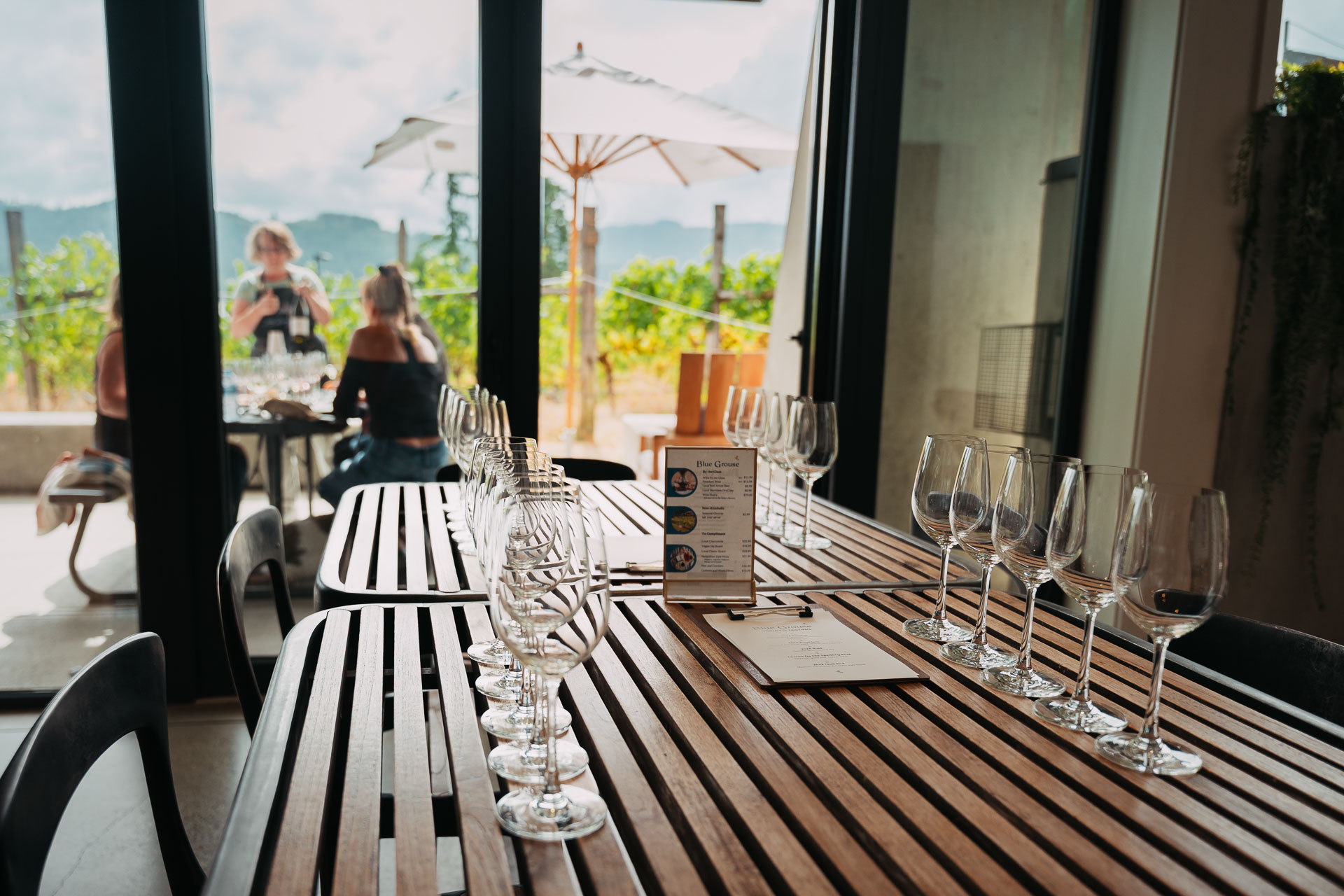
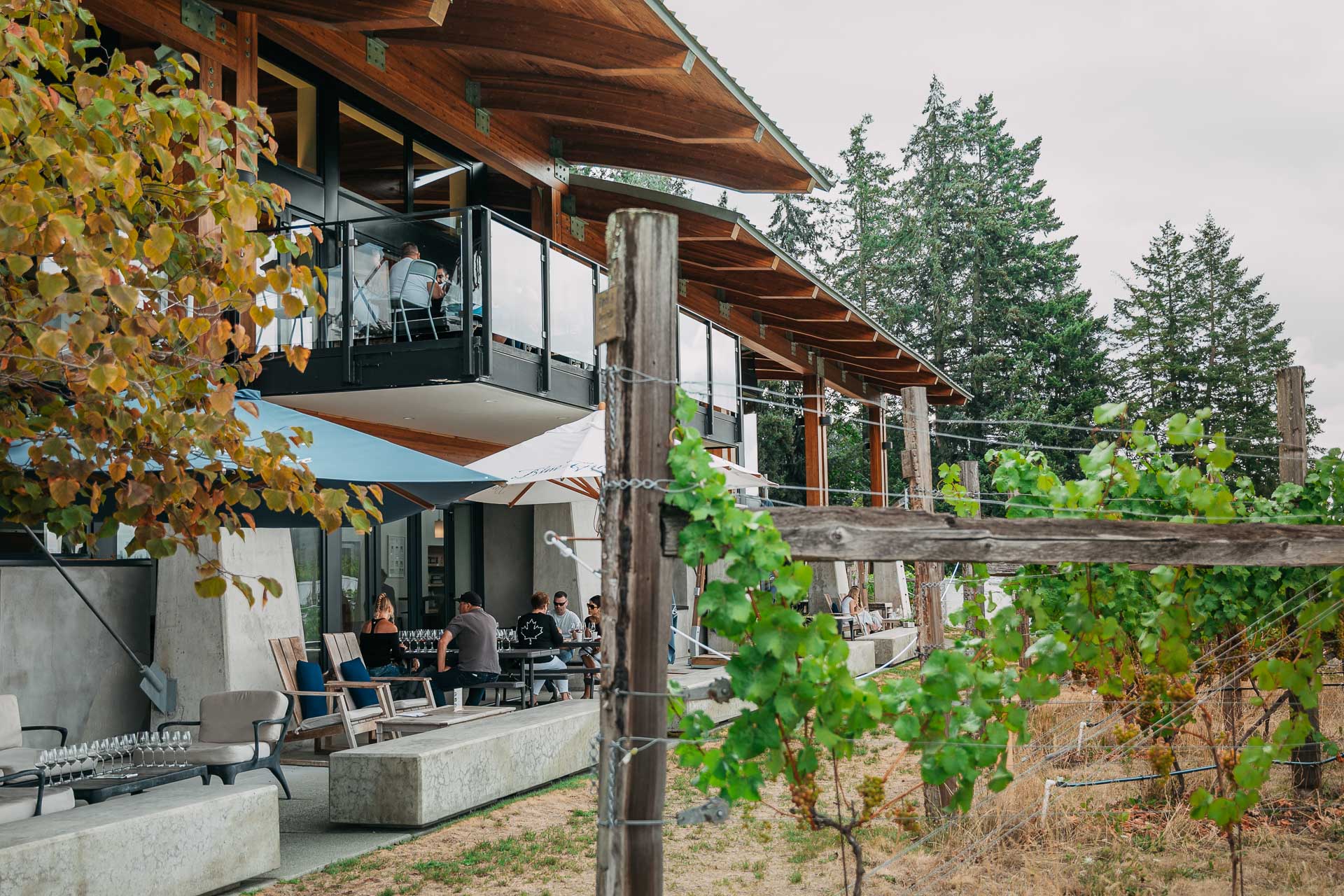
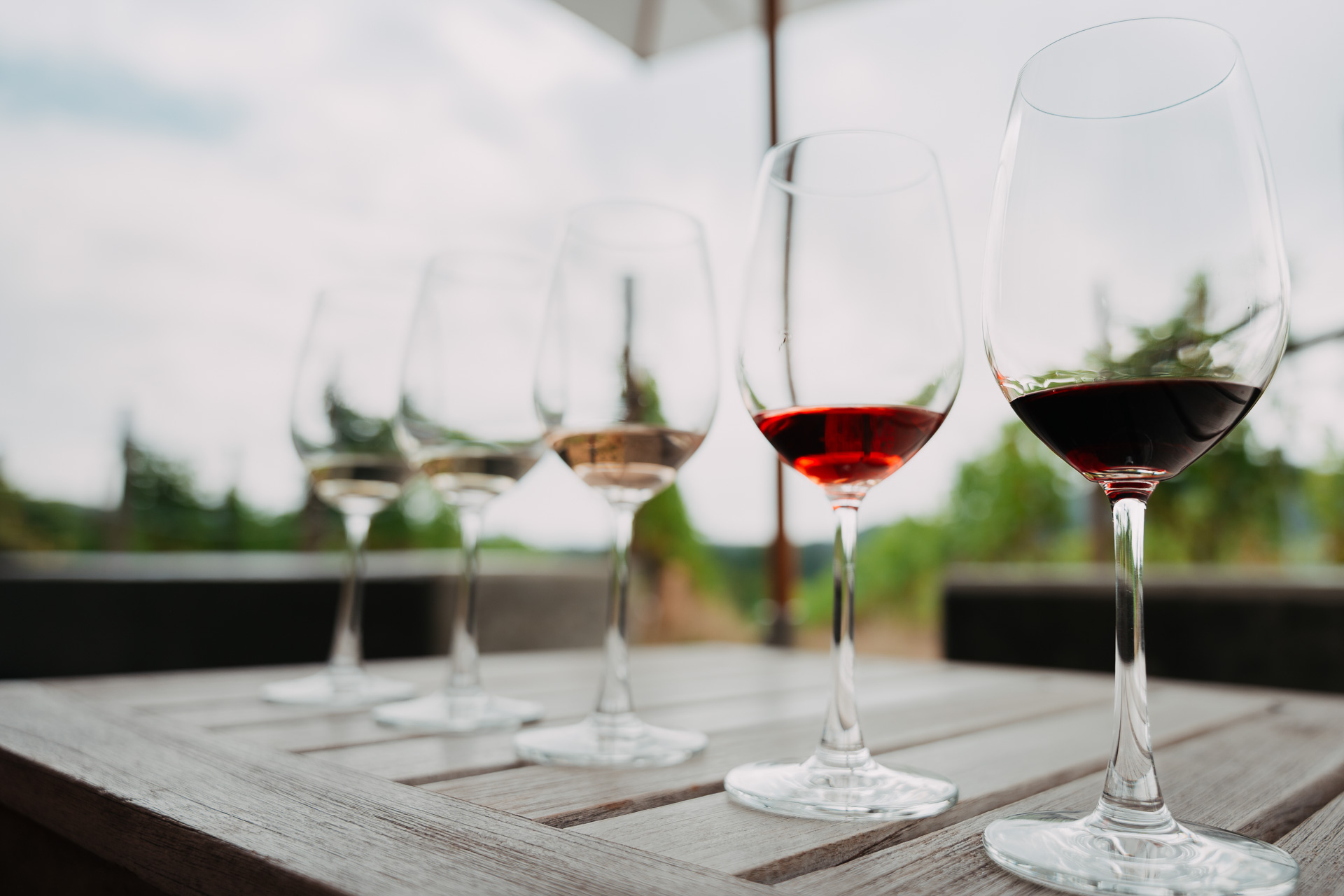
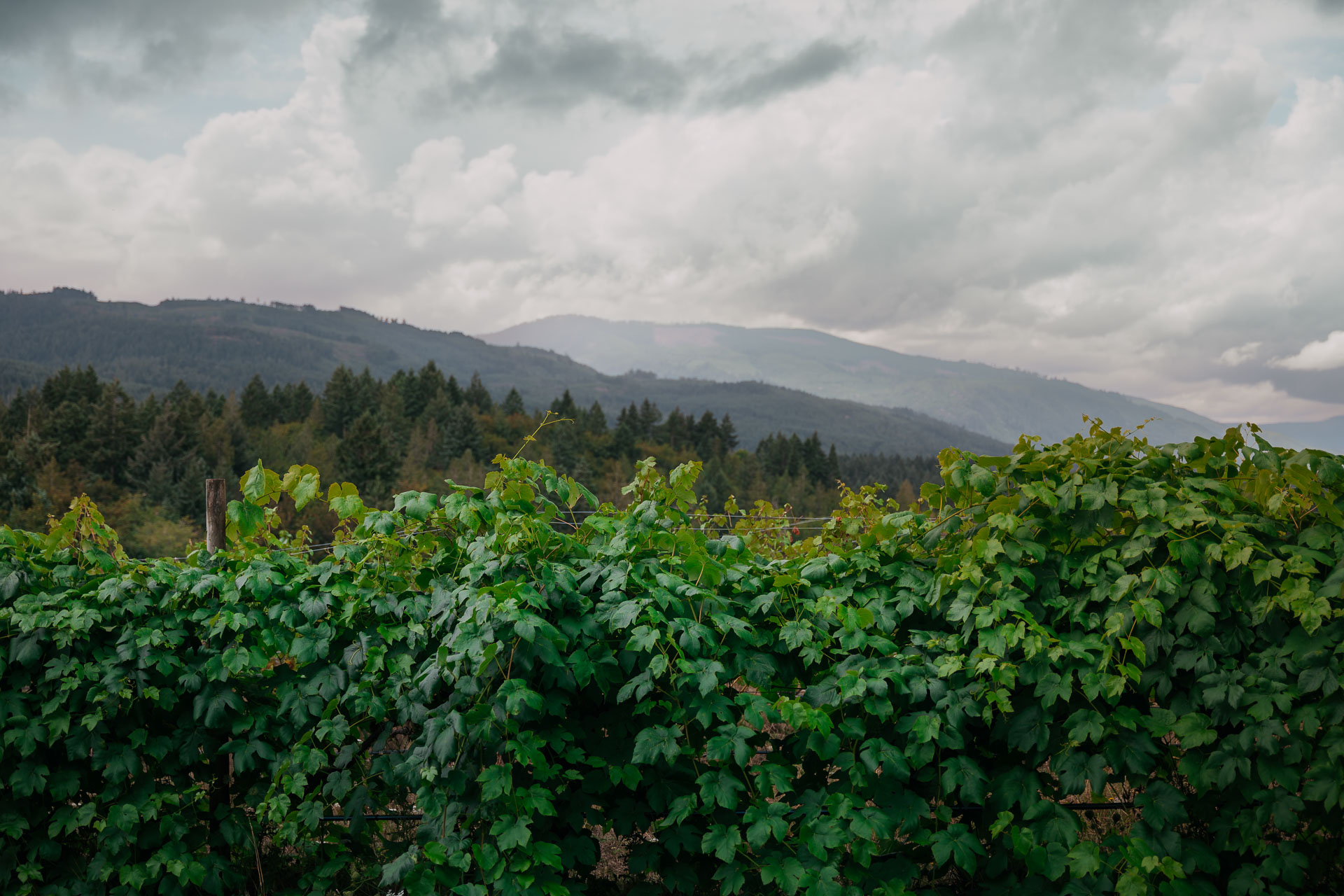
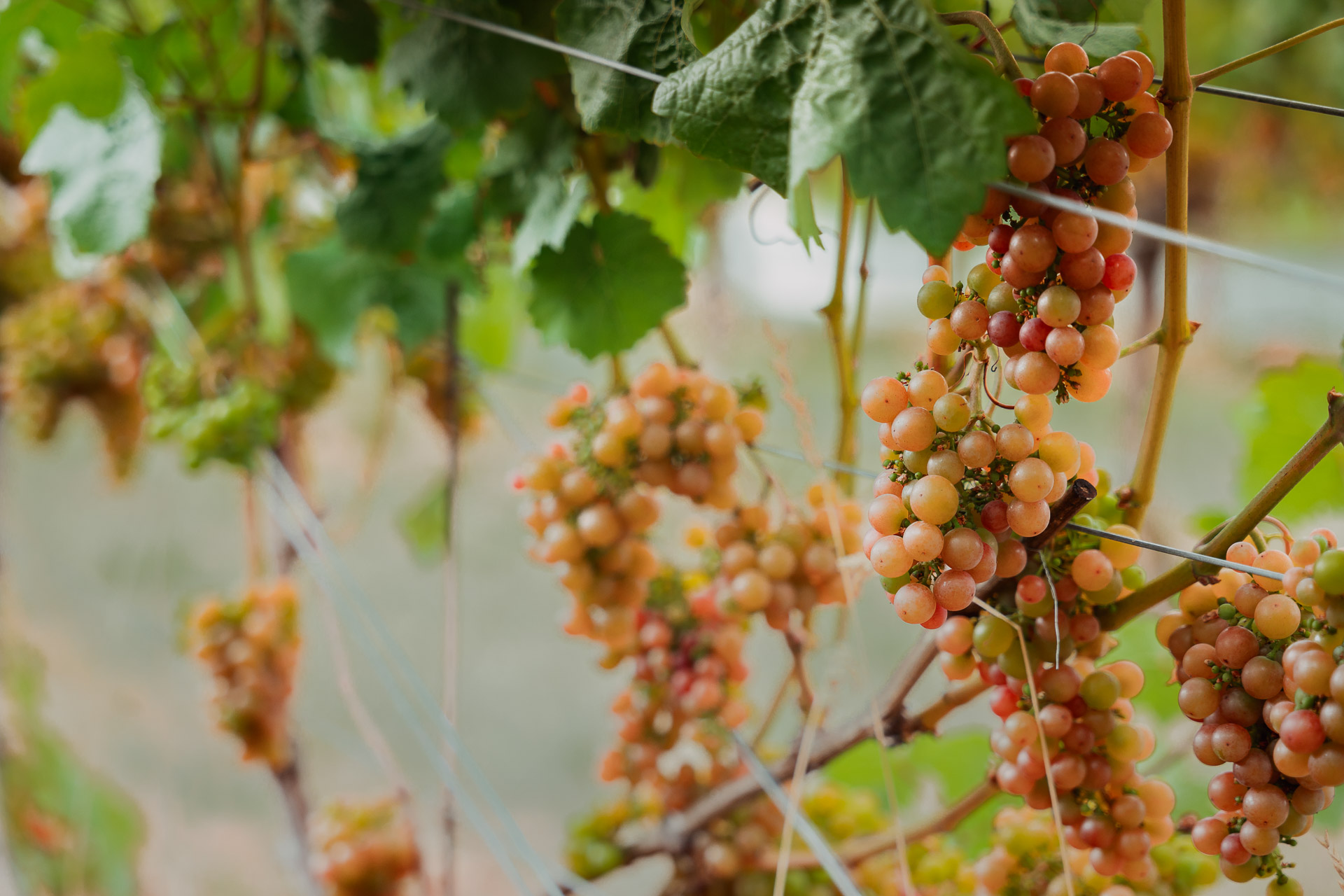
The estate encompasses 65 acres, planted with classic European varietals such as Pinot Noir, Pinot Gris, Bacchus, Gamay Noir, and Muscat. The valley’s unique climate allows grapes to ripen slowly, preserving natural acidity and aromatic depth, resulting in wines that reflect the elegance of European traditions.
Blue Grouse offers a “vine-to-glass” experience, with tasting formats designed for every kind of visitor. The estate also hosts private events and seasonal festivals, making it a vibrant hub for both locals and visitors.
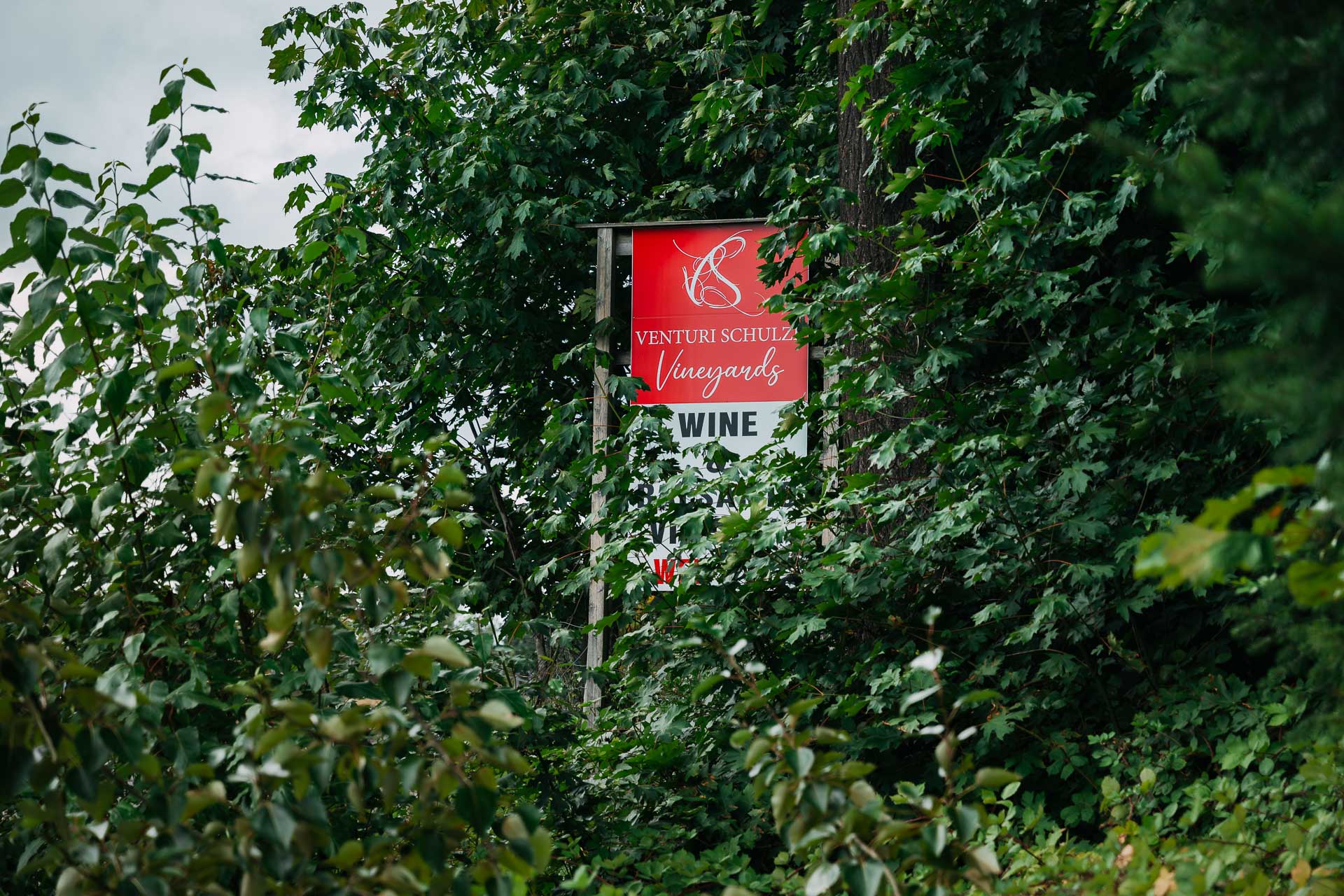
On a few acres, they cultivate Pinot Noir, Pinot Gris, Pinot Auxerrois, Madeleine Sylvaner, Siegerrebe, Schönburger, Ortega, and Kerner. The winery produces both wines and balsamic vinegar exclusively from its own vineyards, with vines growing on their own roots. It is especially famous for its balsamic vinegar, aged for over 12 years in barrels made from five different types of wood, making it truly unique on the market.
Venturi-Schulze wine portfolio includes Kerner, Pinot Noir, Terracotta, and the dessert wine Brandenburg No.3. These wines are distinguished by their rich fruit and spice aromas and natural texture.
Most of the wines are pre-allocated to a restaurant in Victoria and a wine cellar in Seattle, so the only real opportunity to taste them is through tastings, which are available by online reservation only.
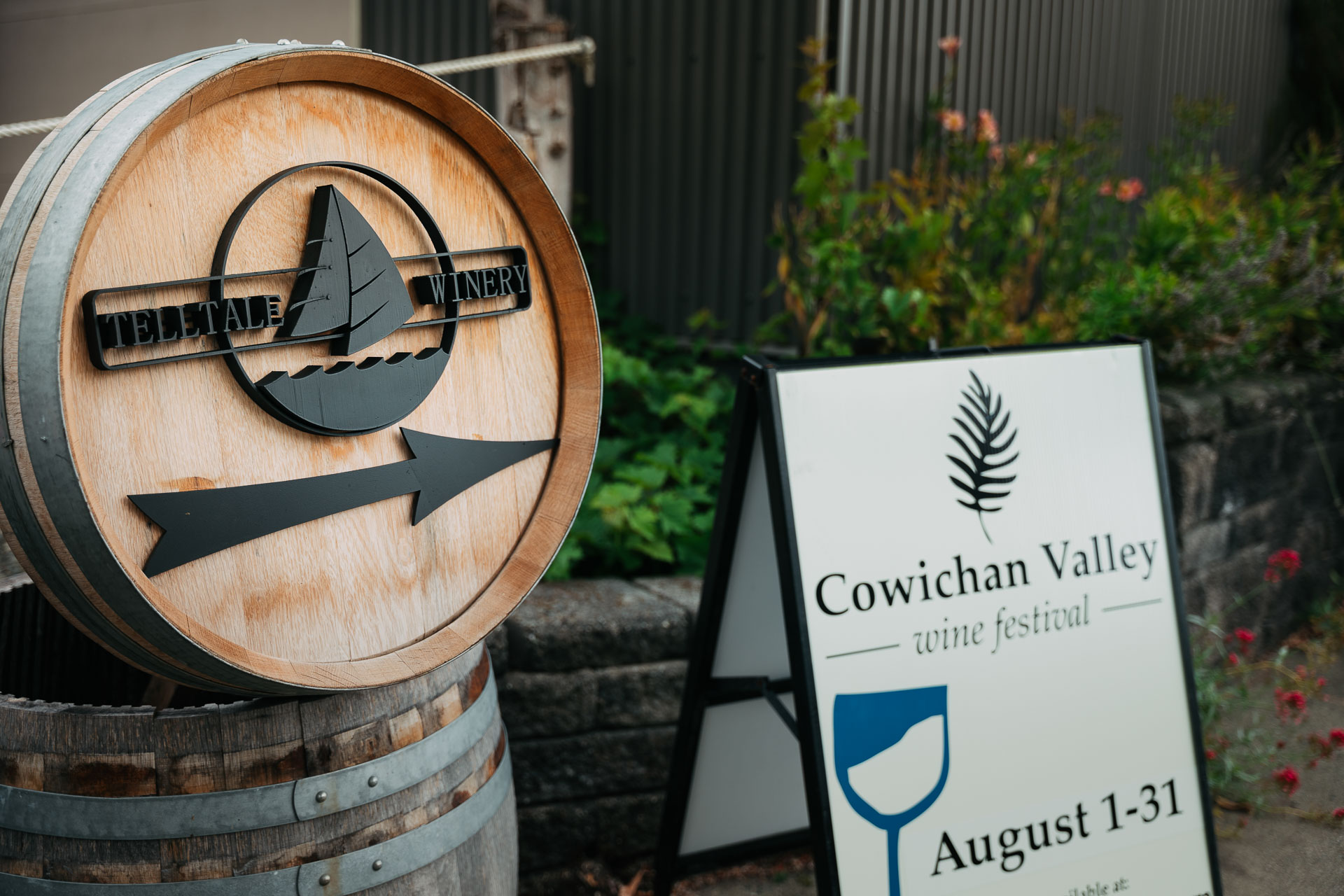
The focus is on sustainable farming without the use of pesticides, herbicides, or synthetic fertilizers. The winery follows a minimal-intervention approach to winemaking: grapes are harvested by hand, and the wines are neither filtered nor fined. Regenerative farming practices are also used, including grazing Icelandic sheep and Embden geese to manage cover crops and provide natural fertilization.
Telltale Winery wines are available only on-site and include:
Vivace — a blend of 14 white grape varieties, including Pinot Gris, Gewürztraminer, Müller-Thurgau, Ortega, and others;
Estate Blend — 50% Pinot Gris and 50% Pinot Blanc, fermented and aged on the lees in neutral French and American oak barrels;
Brio — a medium-bodied wine with bright red fruit, aged in oak barrels to add subtle tannins and notes of vanilla;
Gewürztraminer — skin-fermented, dry, with aromas of citrus, spice, and lychee;
Pinot Noir — a light wine with aromas of ripe red fruits such as cherry and raspberry, with a maritime influence that lends minerality.
Tastings are available on weekends and privately by appointment.
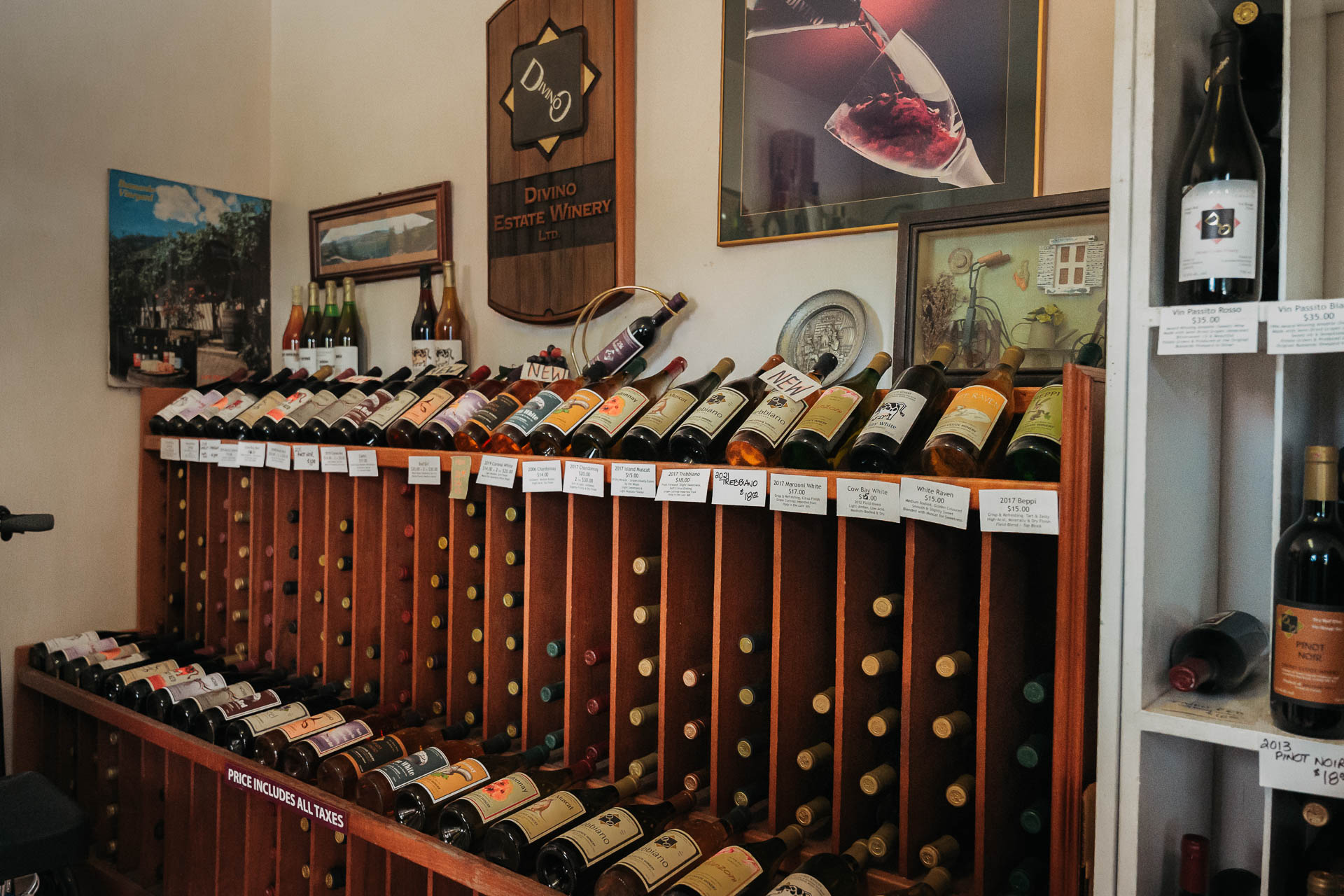
Divino Estate Winery Ltd is a 100% estate winery, using grapes exclusively from its own production. It specializes in growing classic European grape varieties: Cabernet Franc, Castel, Chardonnay, Gamay Noir, Merlot, Muscat, Pinot Blanc, Pinot Gris, Pinot Noir, and Trebbiano Toscana. The varieties were chosen with the natural conditions of the Cowichan Valley in mind, allowing the creation of wines with a distinct “Old World” influence.
In addition to wines, the winery offers seasonal fruits and vegetables as well as its own vinegars.
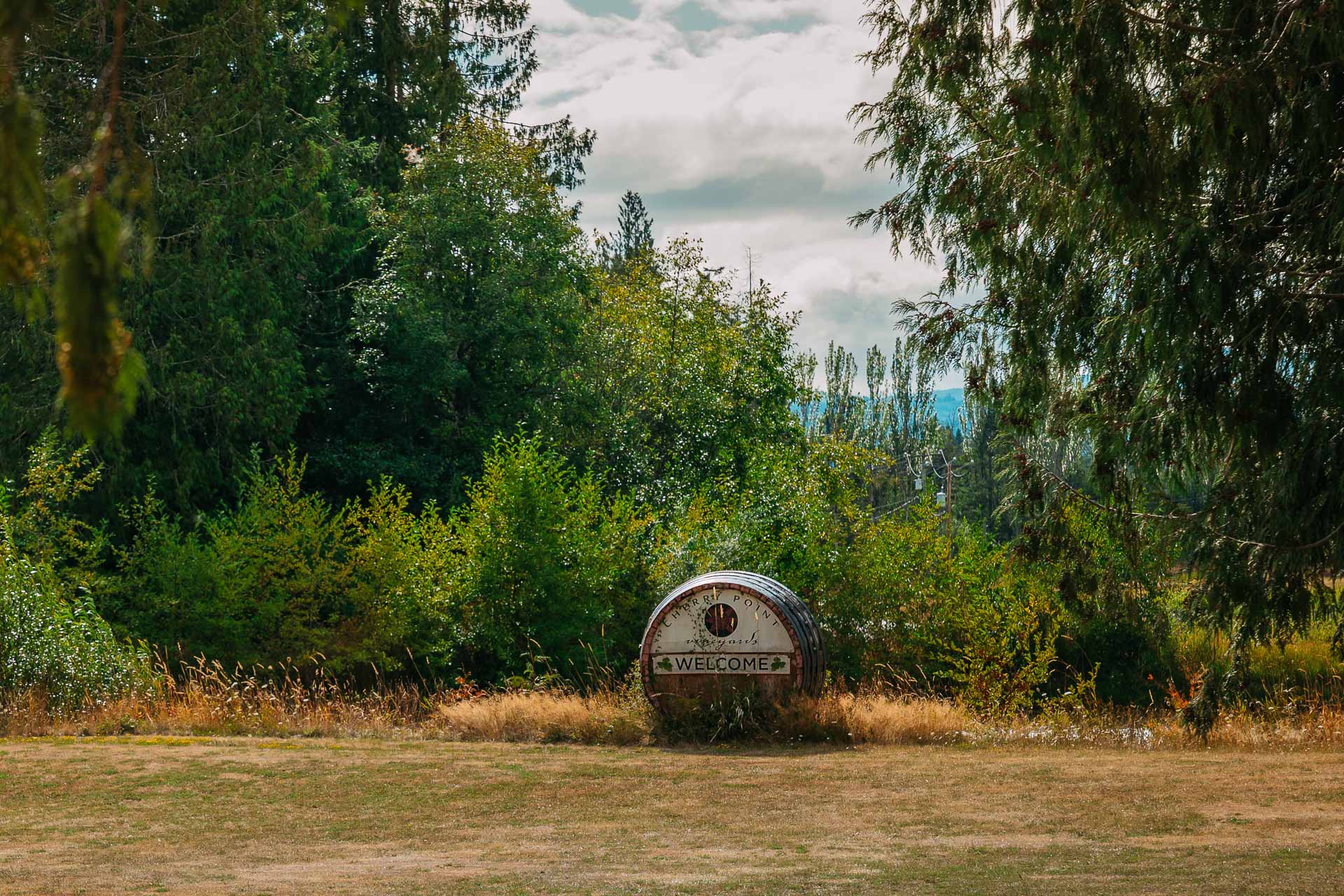
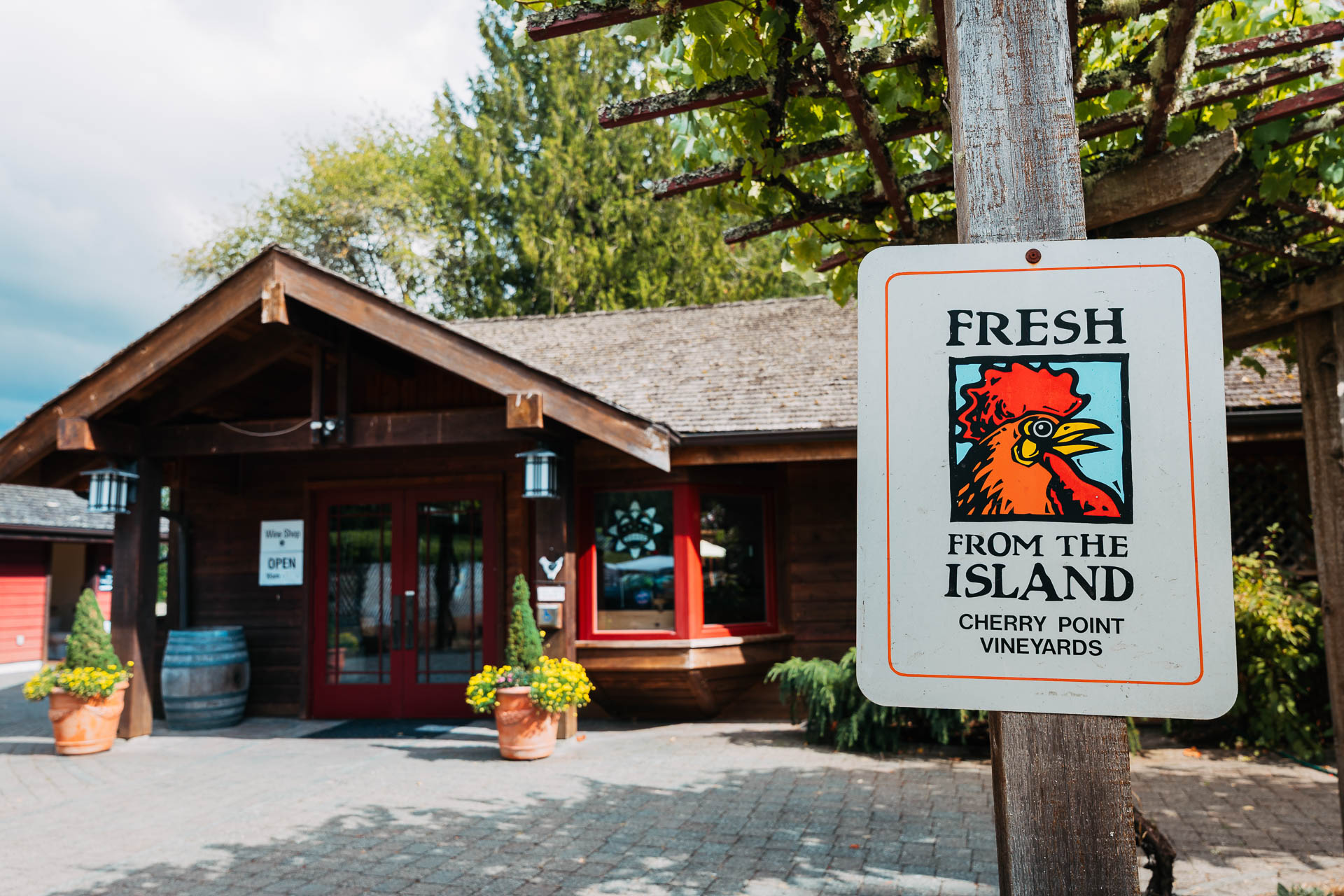
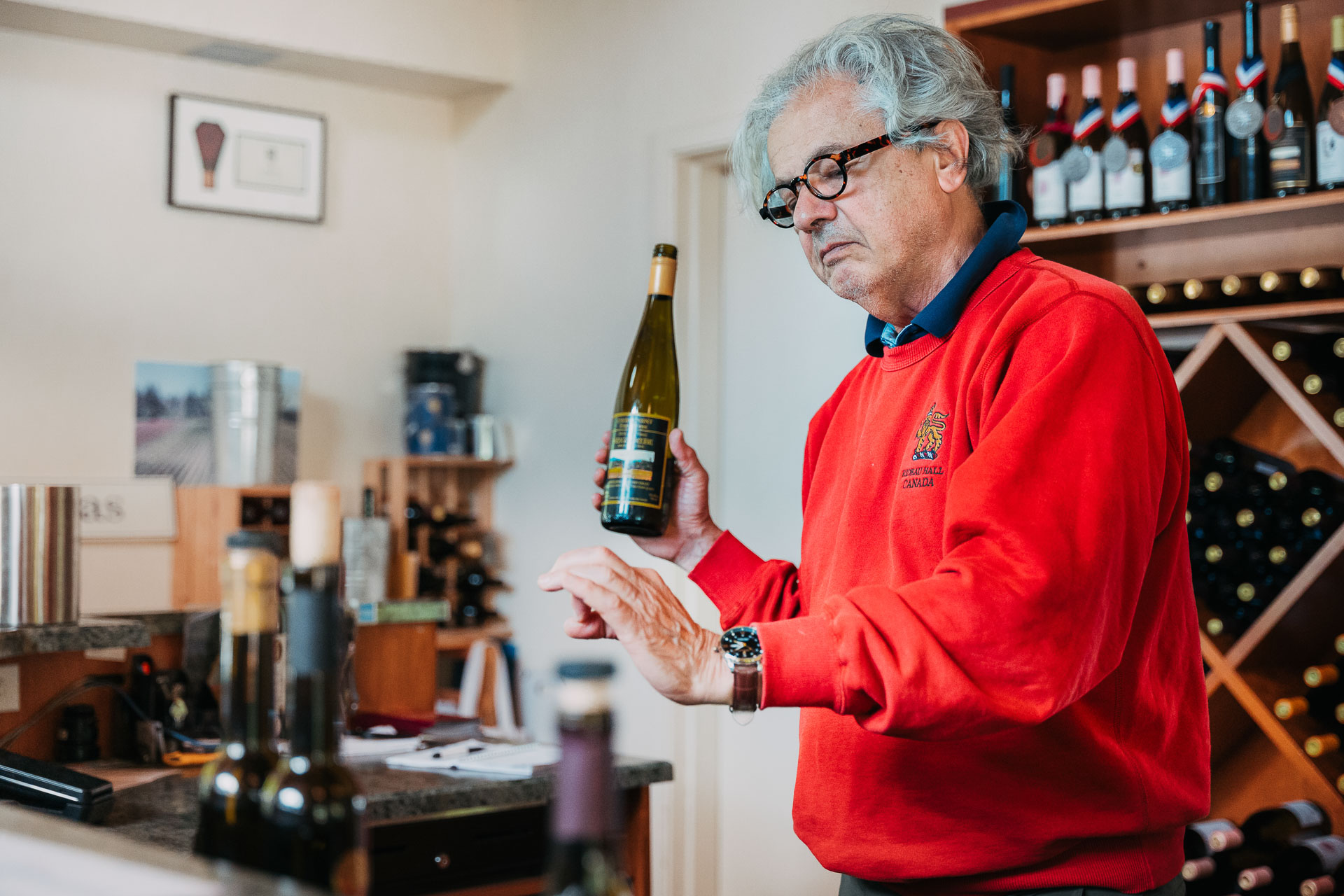
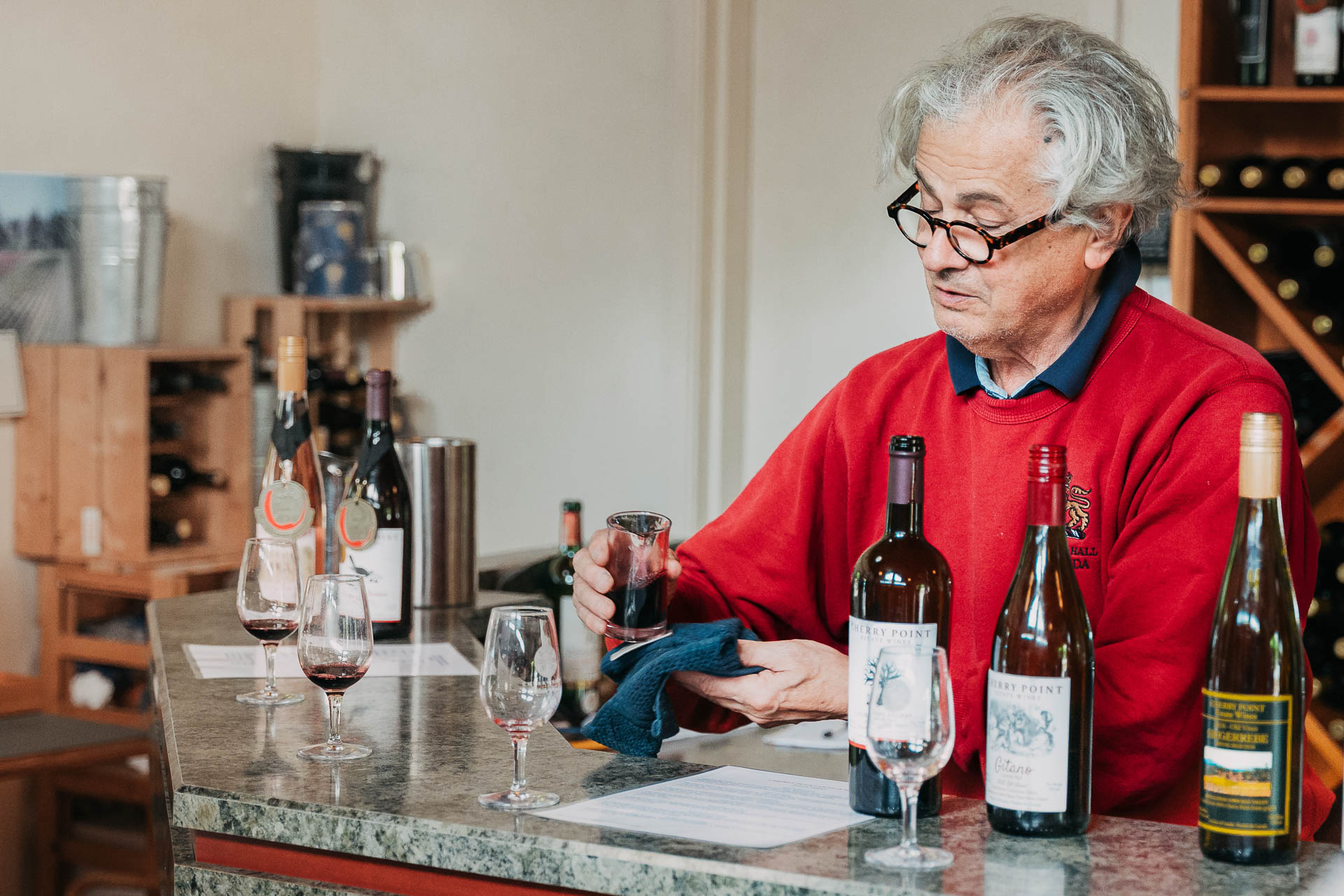
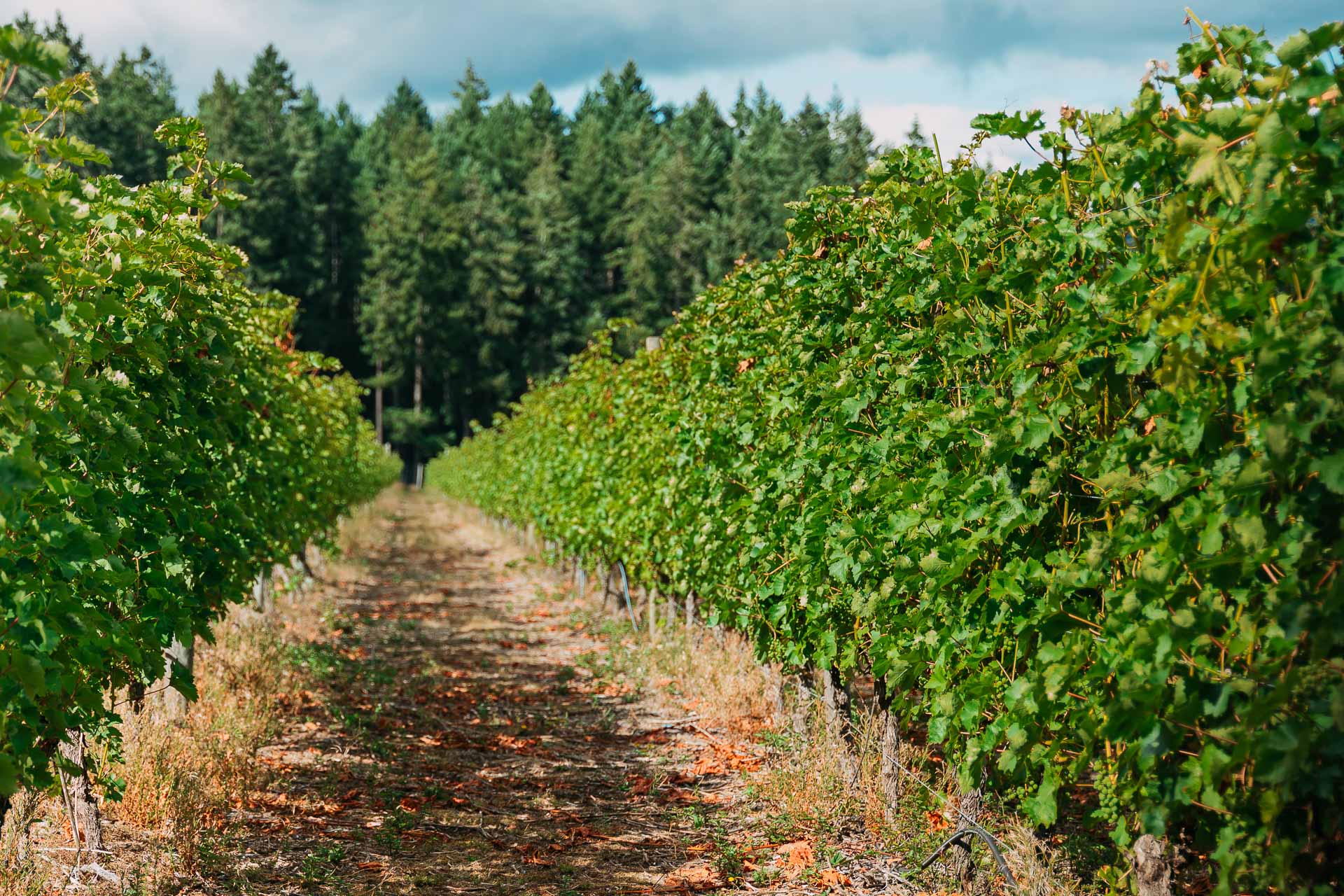
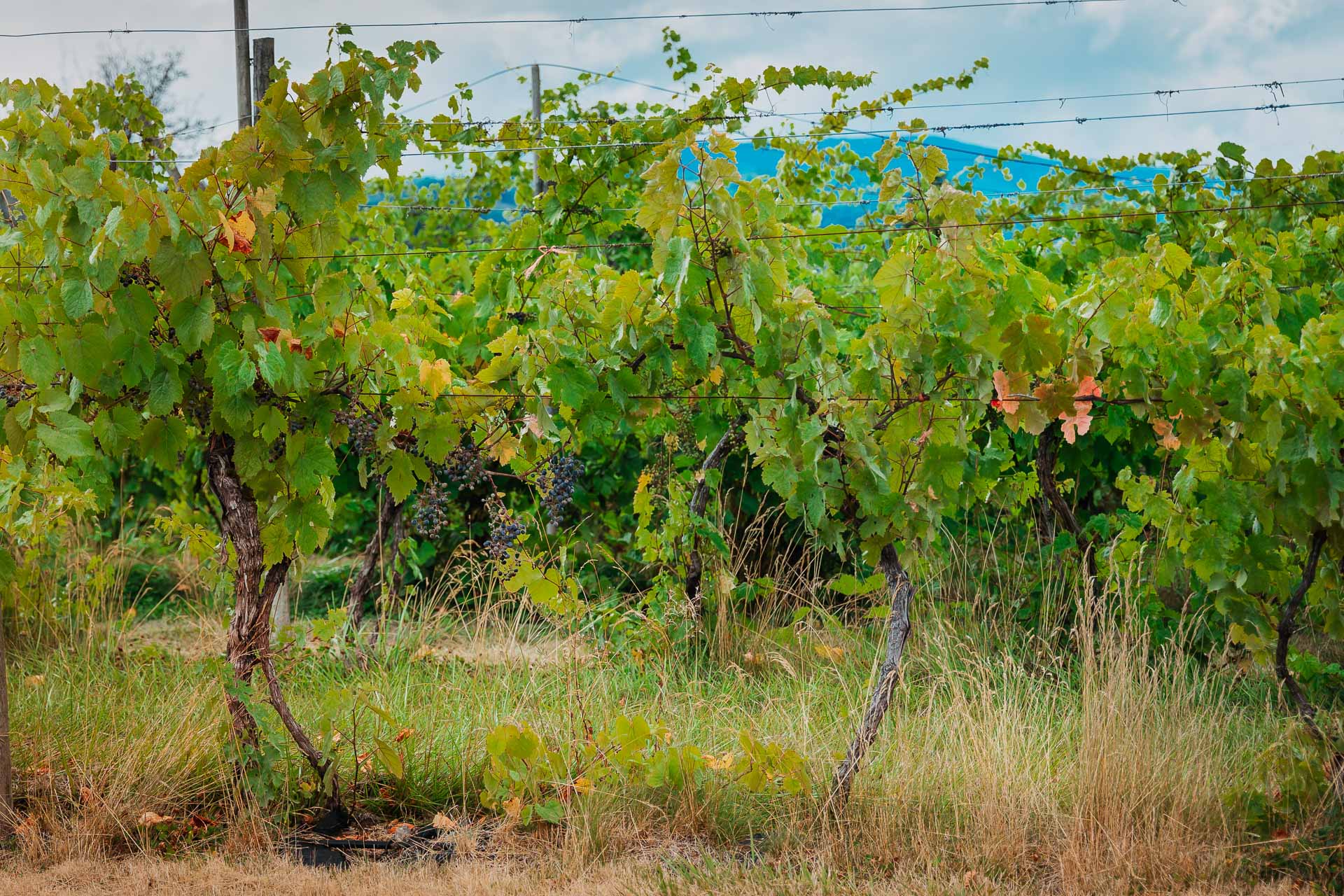
The Cherry Point Estate Wines vineyard was established in 1990 on a former mink ranch, and by 1994 the winery had obtained its official licence, making it one of the region’s older wineries. Today, Cherry Point spans 24 acres and grows an impressive range of varieties: from whites such as Gewürztraminer, Pinot Gris, Pinot Blanc, Ortega, Siegerrebe, and the rare Epicure, to reds like Pinot Noir, Zweigelt, Agria, Castel, and Cabernet Libre. The local whites are expressive and elegant, while the reds are deep with a long, textured finish — both instantly recognizable.
Here, in a pastoral valley of green hills and majestic forests, mild winters and generous sunshine create ideal conditions for winemaking — the gravel and stones on the vineyard slopes are warmly heated by the sun, while winter rains flow through the mineral-rich glacial moraine and collect in a pond, from which they return to the vines in summer, enriching them. Combined with the circulation of marine air, this shapes the wines’ unique character and structure.
But Cherry Point is not only about wine — it is also about the experience. The warm family atmosphere and the hospitality of the hosts create the feeling of a true wine home. Here, soil, water, and sun resonate on the same frequency, their intertwining bringing forth the character of true wine. Every part of it, every bottle, is a tale of the Cowichan Valley’s history; every glass is a return to this paradise. Once you taste this magic, you will long to come back again and again.
Since it’s opening in June 2024, the winery has combined regenerative agriculture with modern winemaking expertise, offering a selection of wines including the 2024 Kismet, Gamay Noir, 2022 Pinot Gris, 2024 Muscat, 2024 Rosé, 2023 Pinot Gris, 2023 Zweigelt, and 2022 Storming the Castel. The winery also announces its upcoming releases: 2024 Muscat, 2024 Rosé, and Gamay Noir.
Guests can enjoy tastings in the tasting room or on the open-air terrace overlooking the vineyards and lavender fields. A special feature: the tasting fee is waived with the purchase of two bottles. Reservations are recommended for groups of six or more.
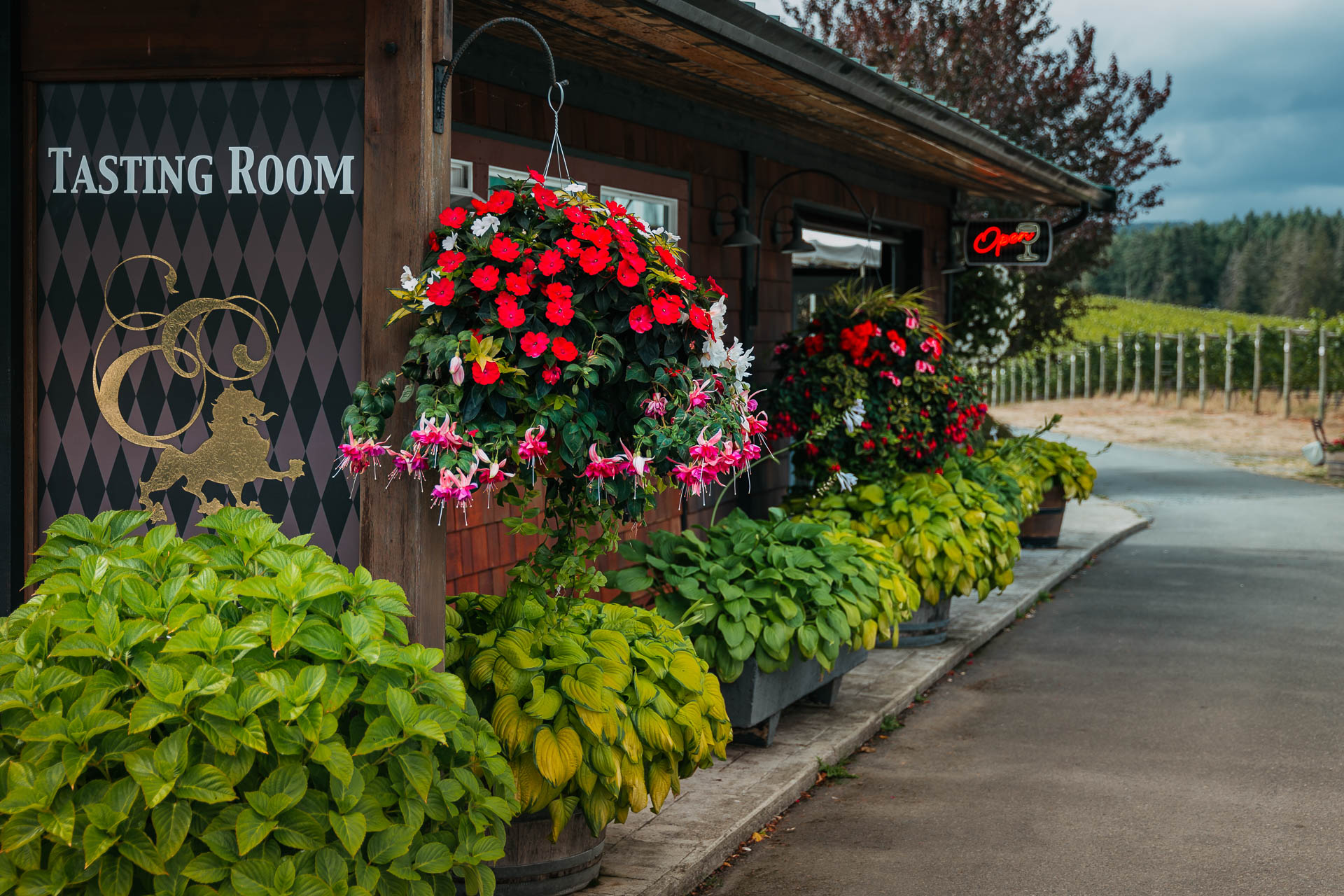
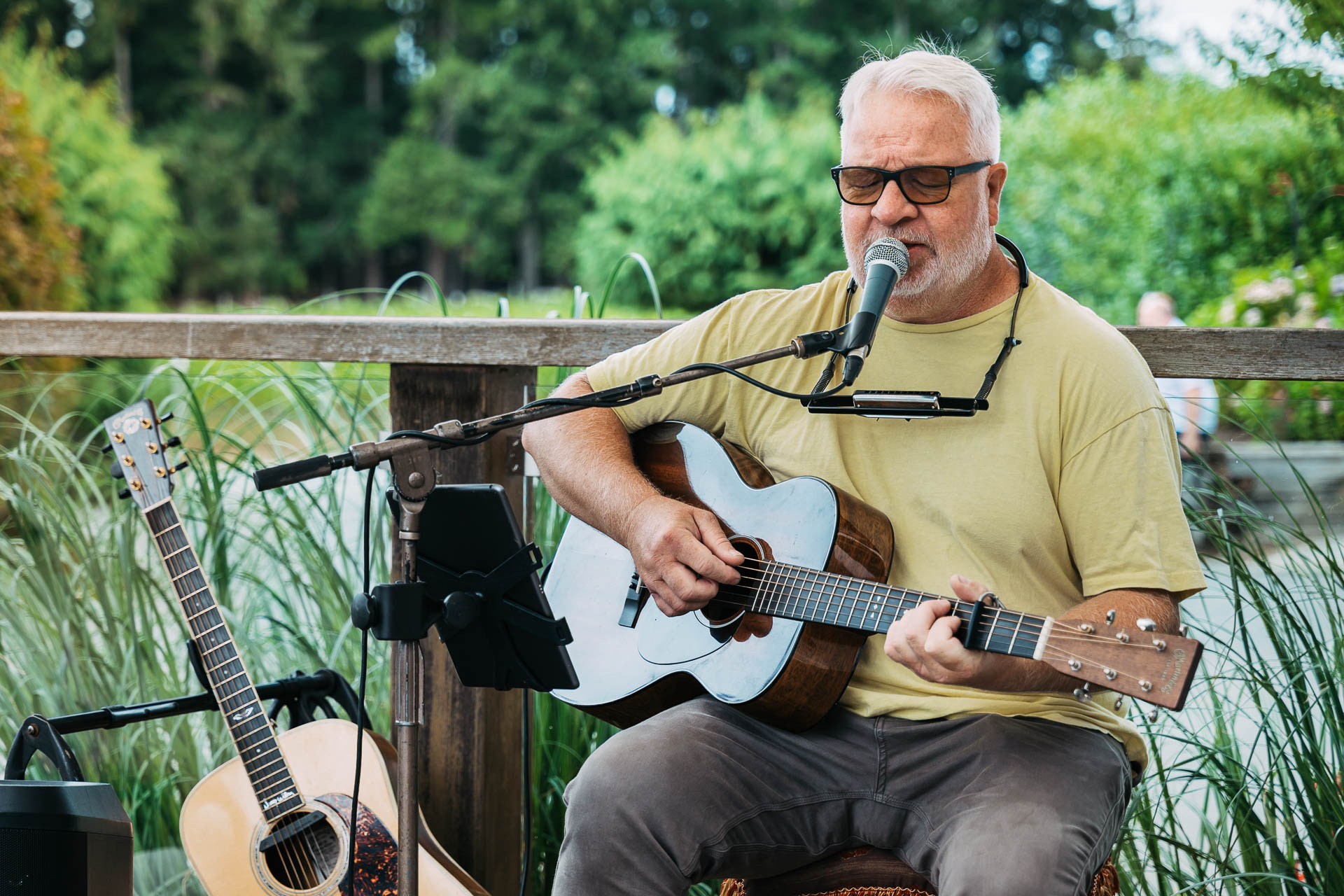
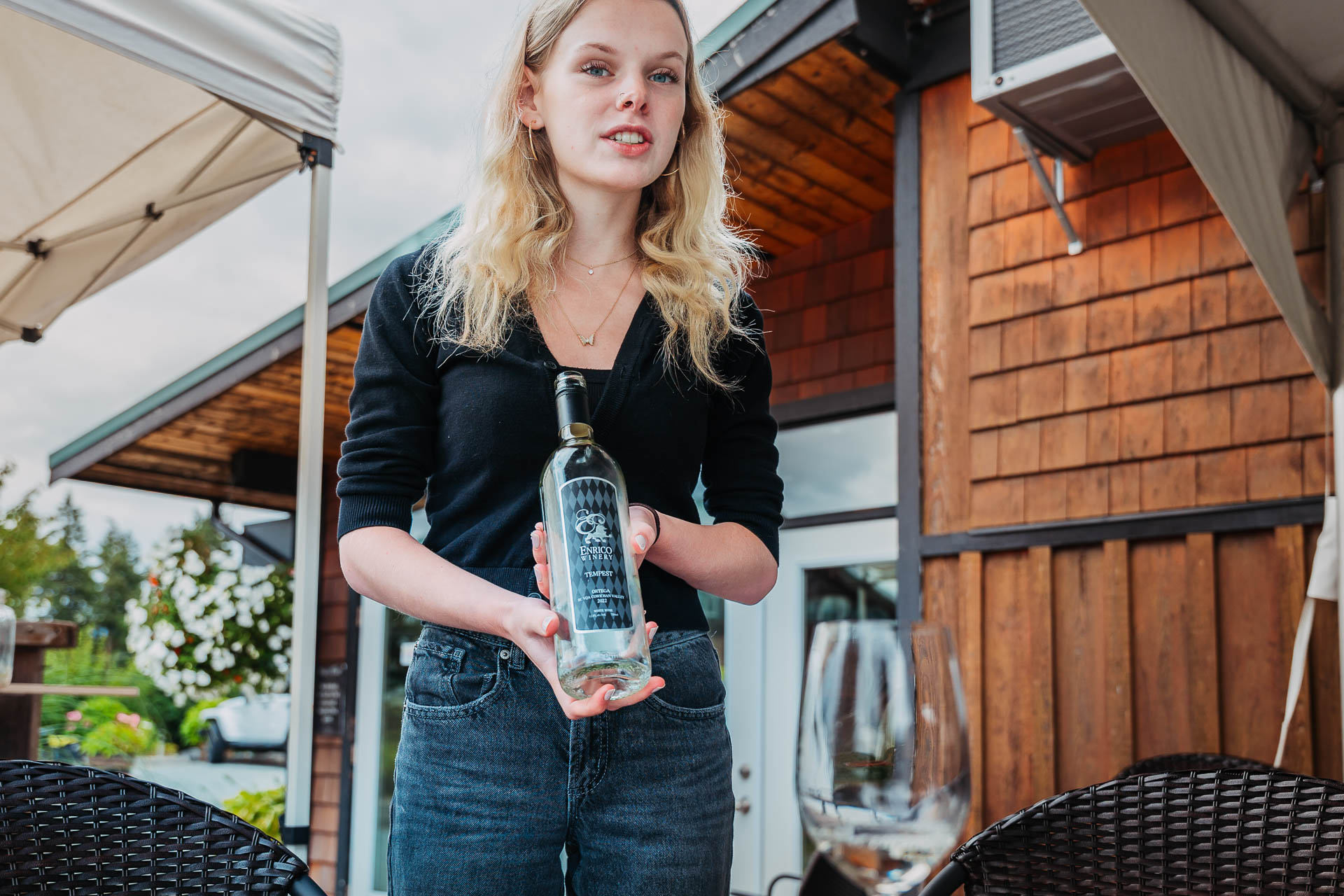
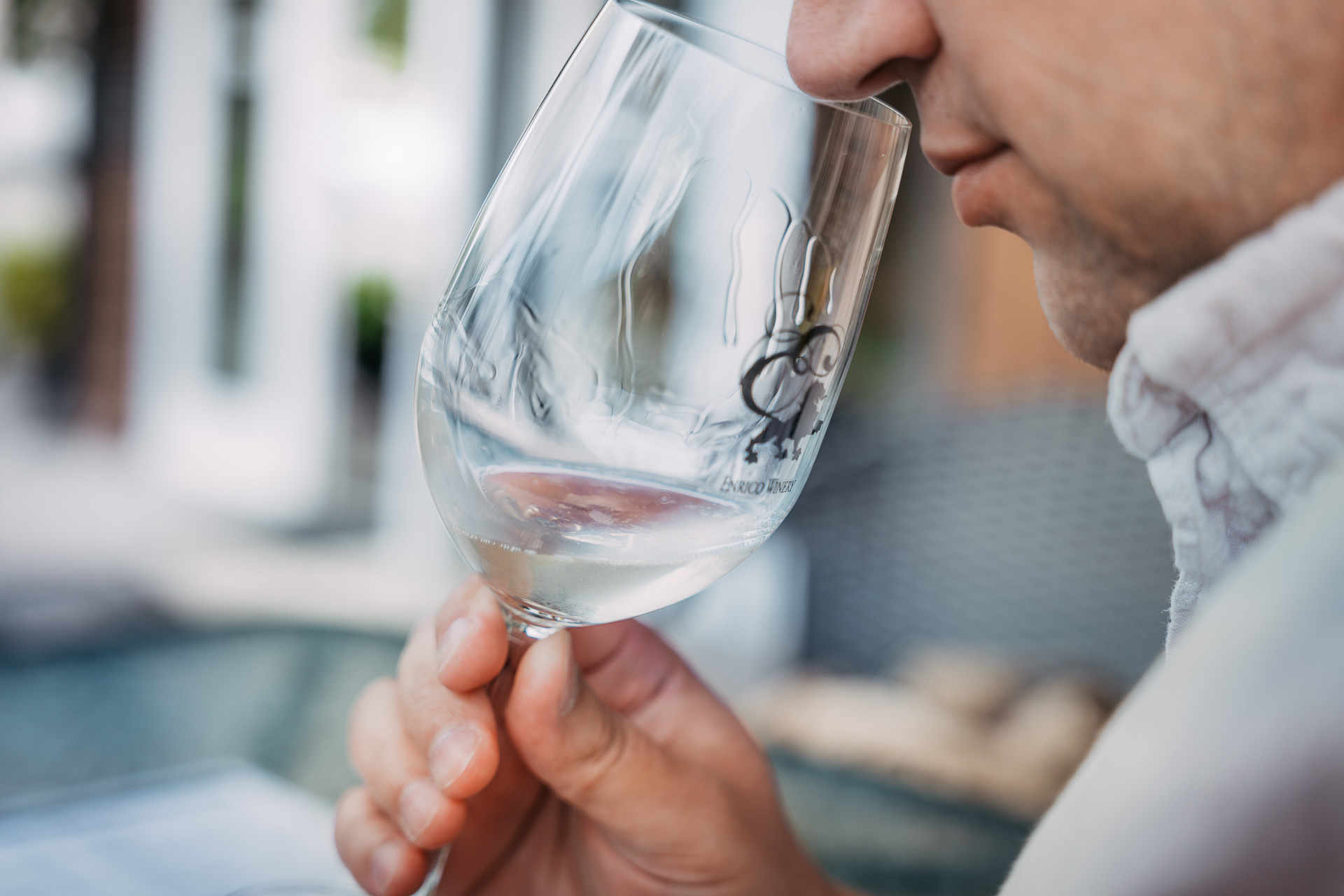
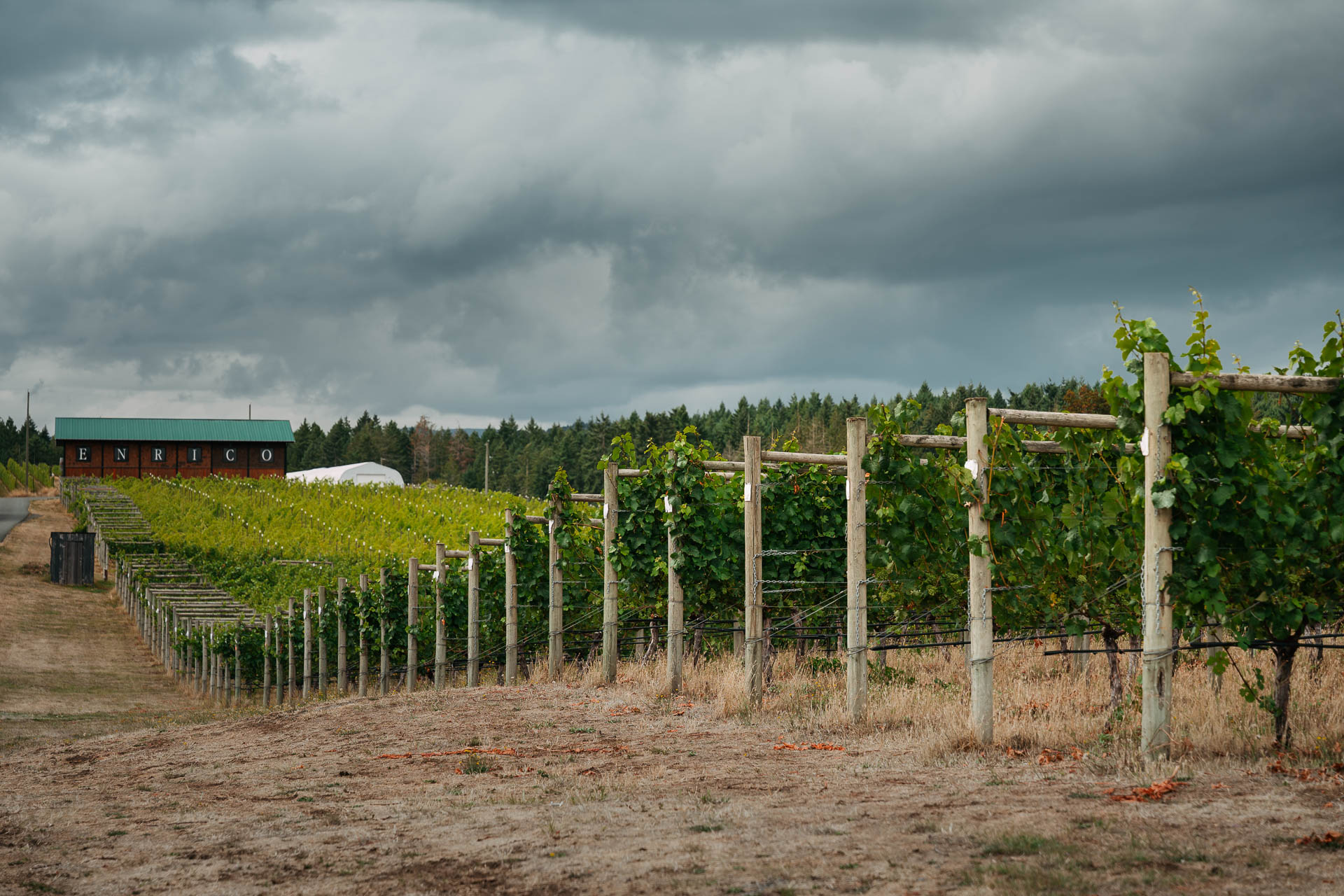
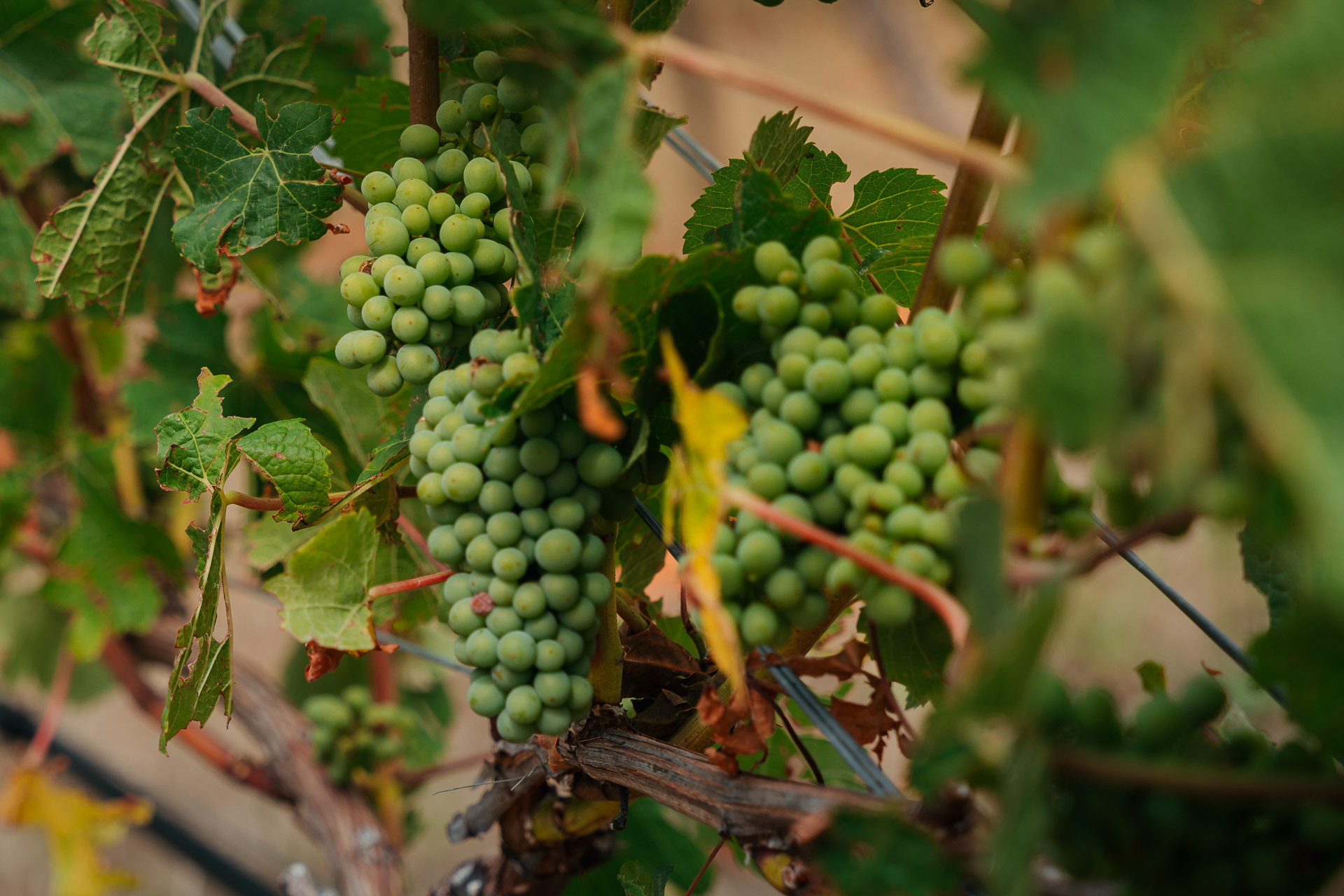
Getting back on track with the wines: the exceptional microclimate supports the cultivation of seven different grape varieties unique to the region — white Ortega, Pinot Gris, Chardonnay, and red Pinot Noir, Cabernet Libre, Cabernet Foch, and Corivese.
Enrico wines are widely recognized and have received numerous awards at Canadian and American festivals. Among the winery’s range, the sparkling Red Dragon Rosé, awarded the Lieutenant Governor's Award, and Celebration Charme de l’île, made using the Charmat method with a green apple flavor, are particularly popular, as well as the velvety Port-style “Lionheart.” And finally, or perhaps most importantly, Ortega Tempest. For its simple yet incredibly delicate bouquet, Ortega Tempest from Enrico Winery has received a medal from our publication as the best white wine of the Cowichan Valley!
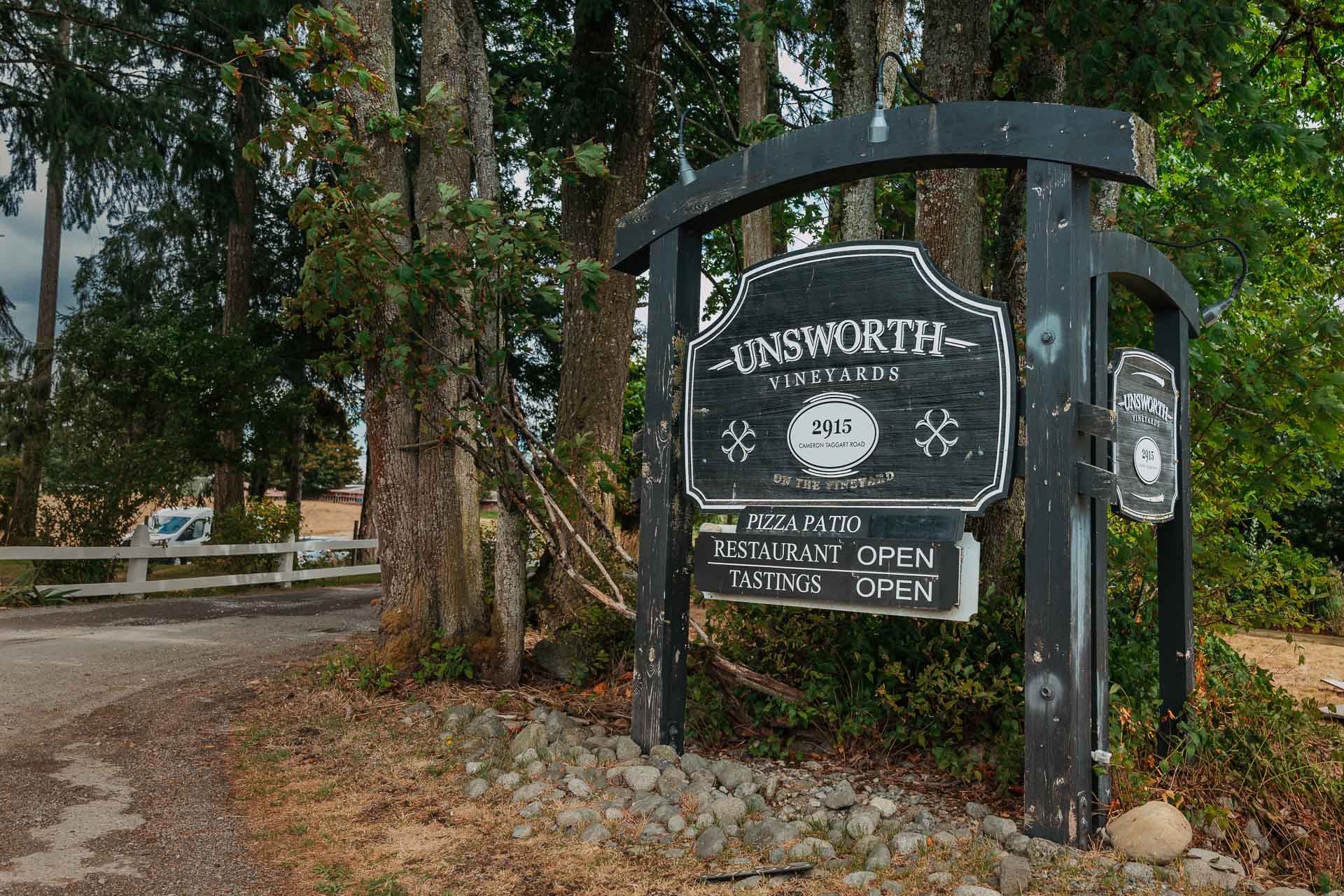
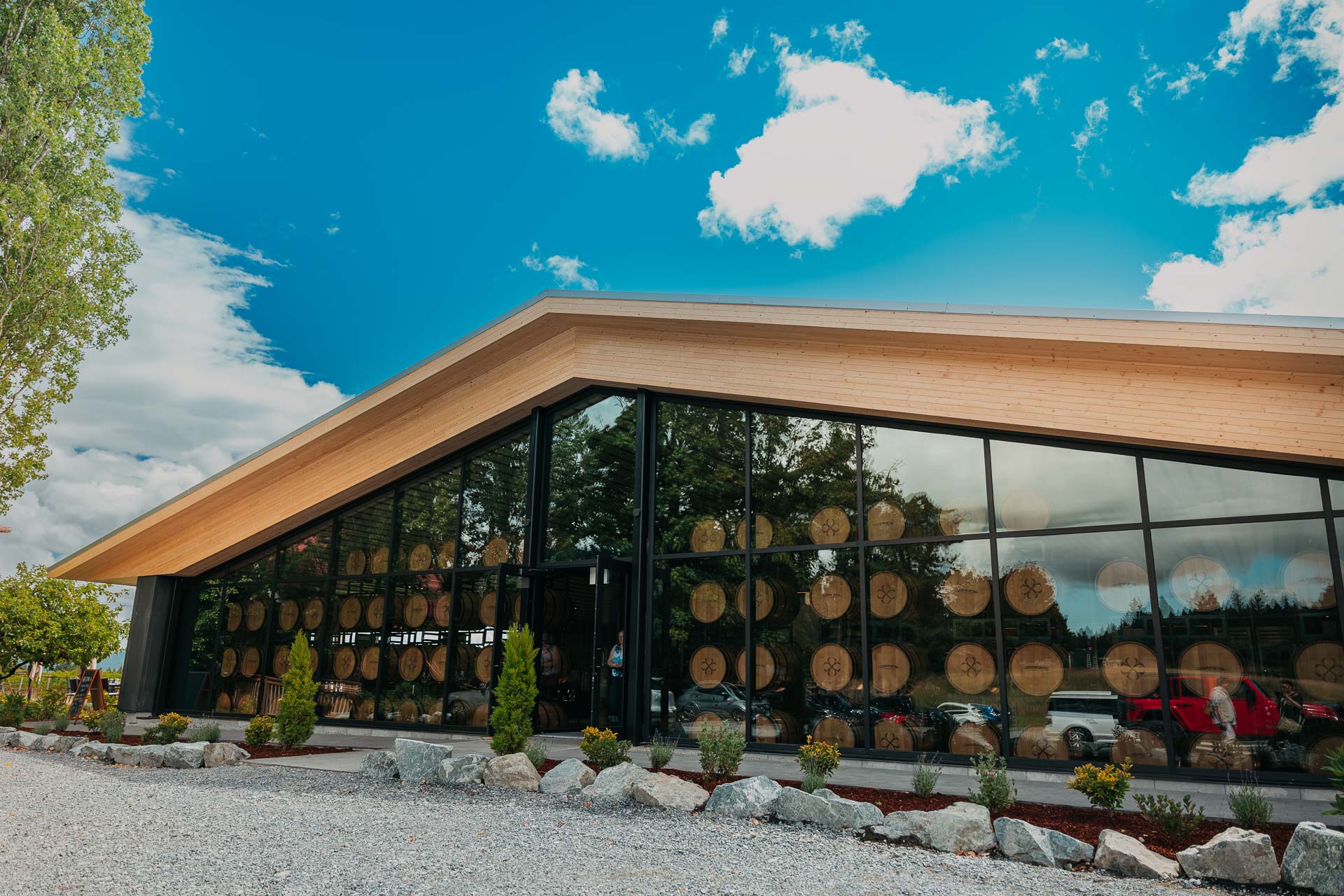
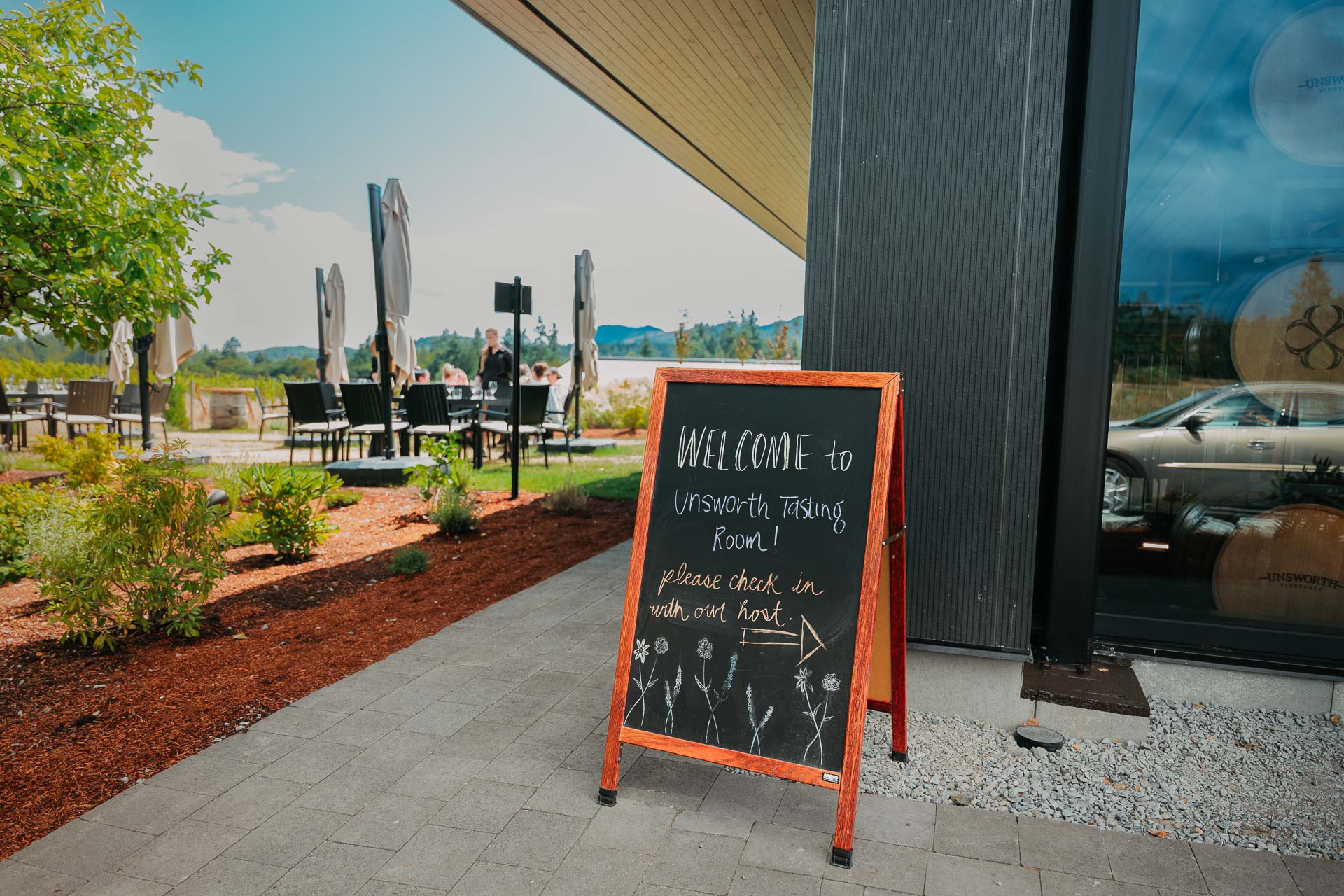
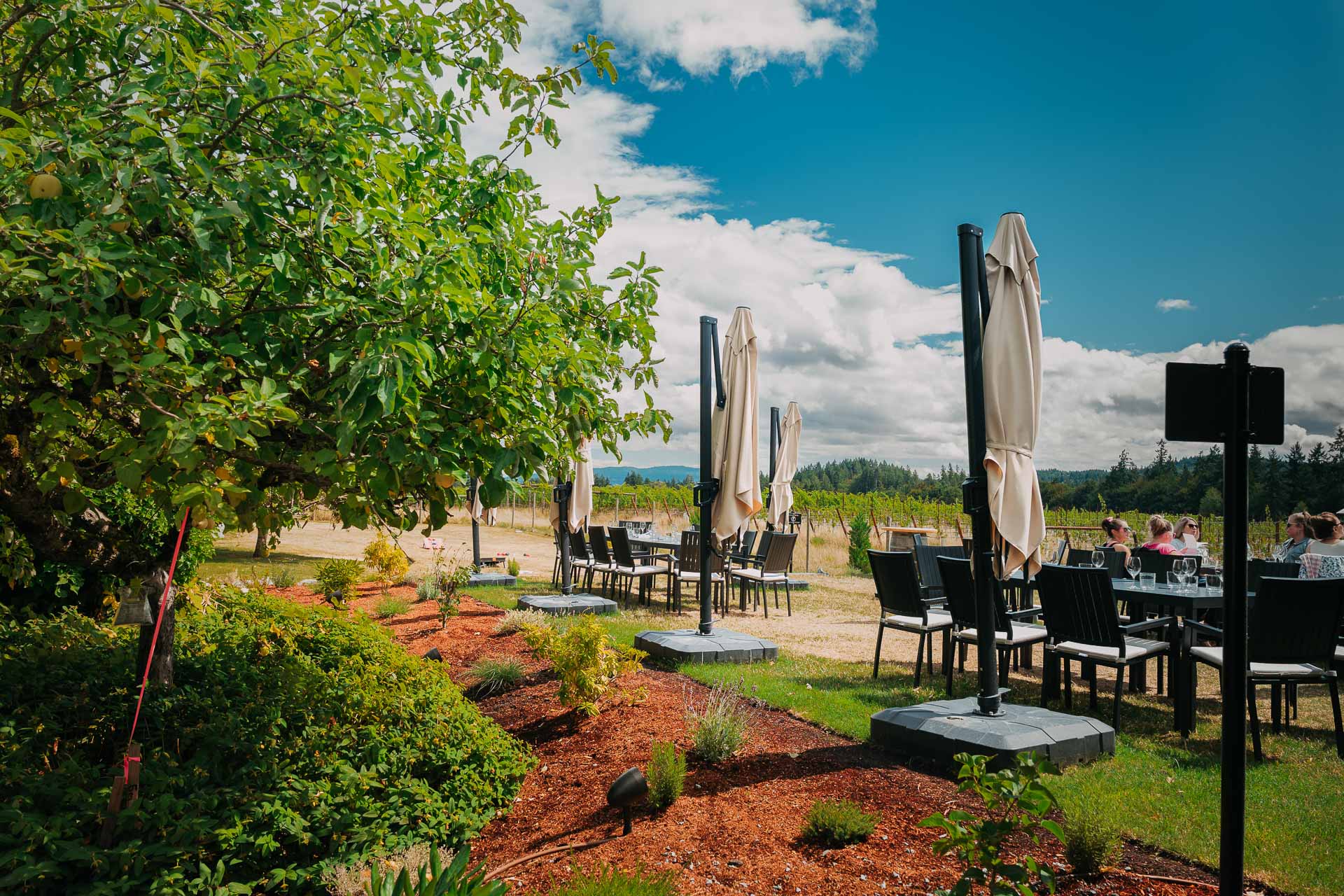
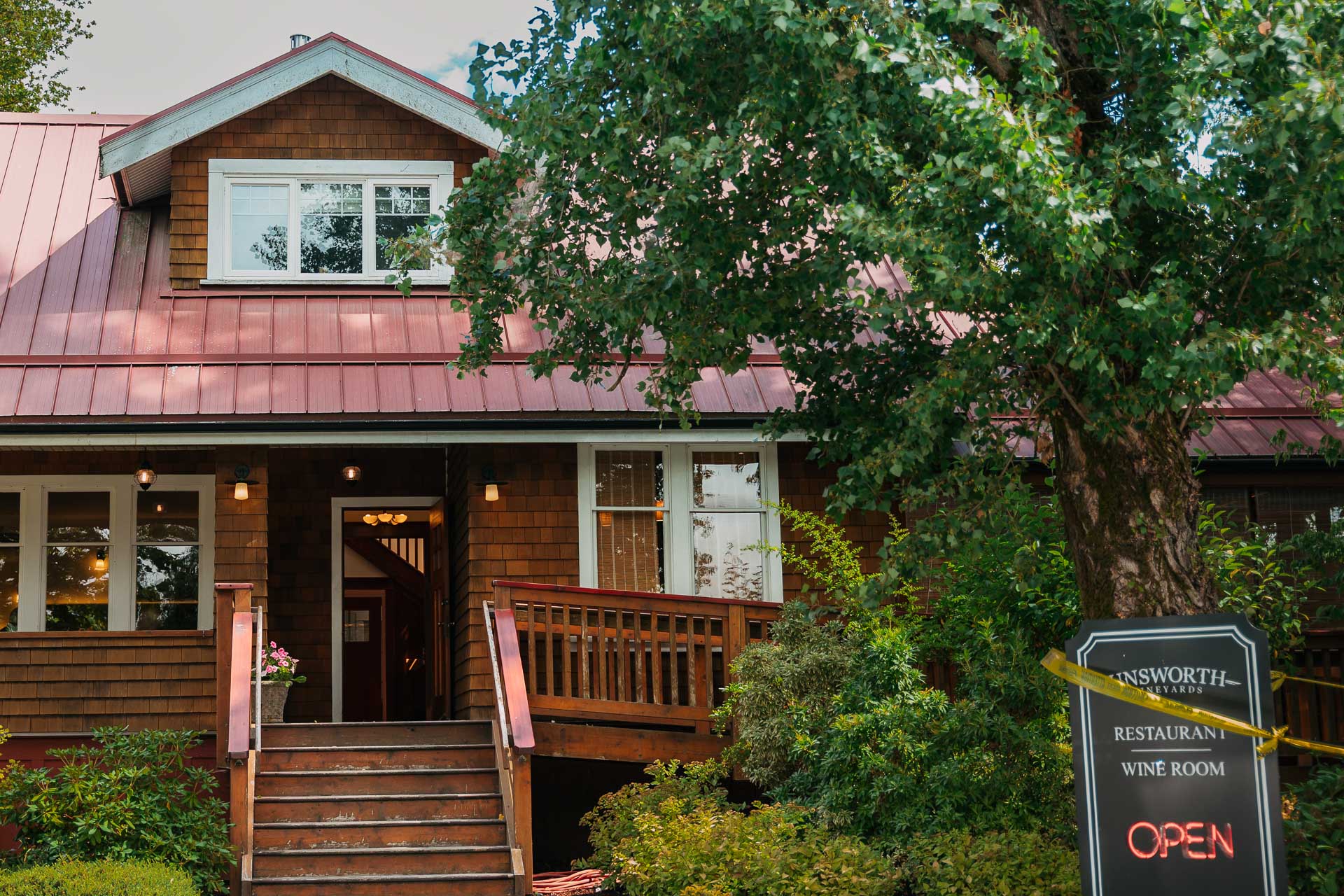
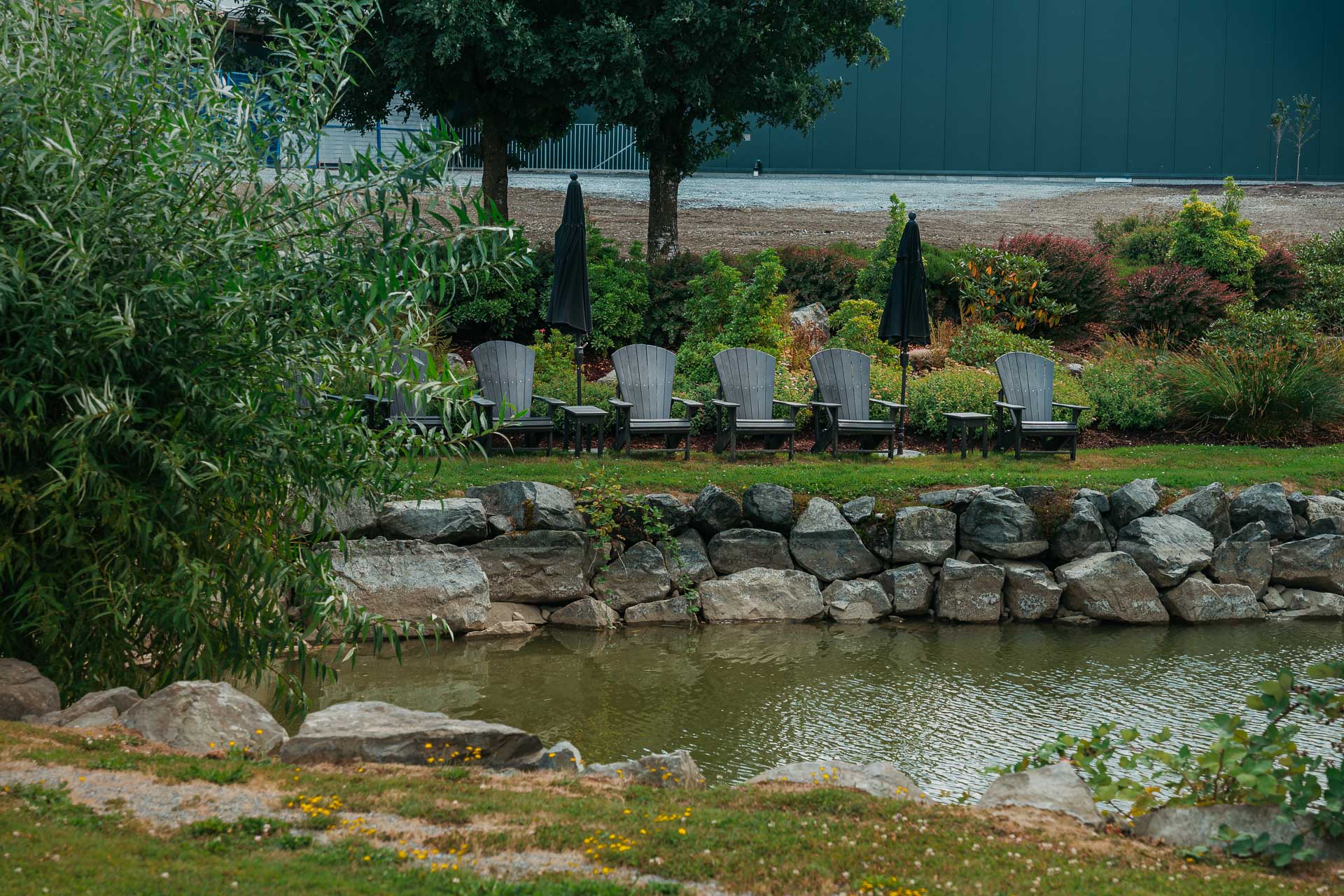
The winery is known for its environmentally friendly practices and high-quality wines. In particular, Unsworth Vineyards has been certified under the Sustainable Winegrowing BC program since 2024 and is the first in British Columbia to join the Porto Protocol — a global initiative for sustainable winemaking.
The winery also features the Unsworth restaurant, located in a restored early 1900s house, offering a seasonal menu with local ingredients and an extensive wine list of award-winning wines, including the sparkling Charme de L’Île.
A detailed route is available via the hyperlink on our website.
Sip smart. Plan your route carefully, travel with a designated driver or join a guided tour, and let every glass be about pure enjoyment.
Enjoy the nose, the taste, and the finish!


